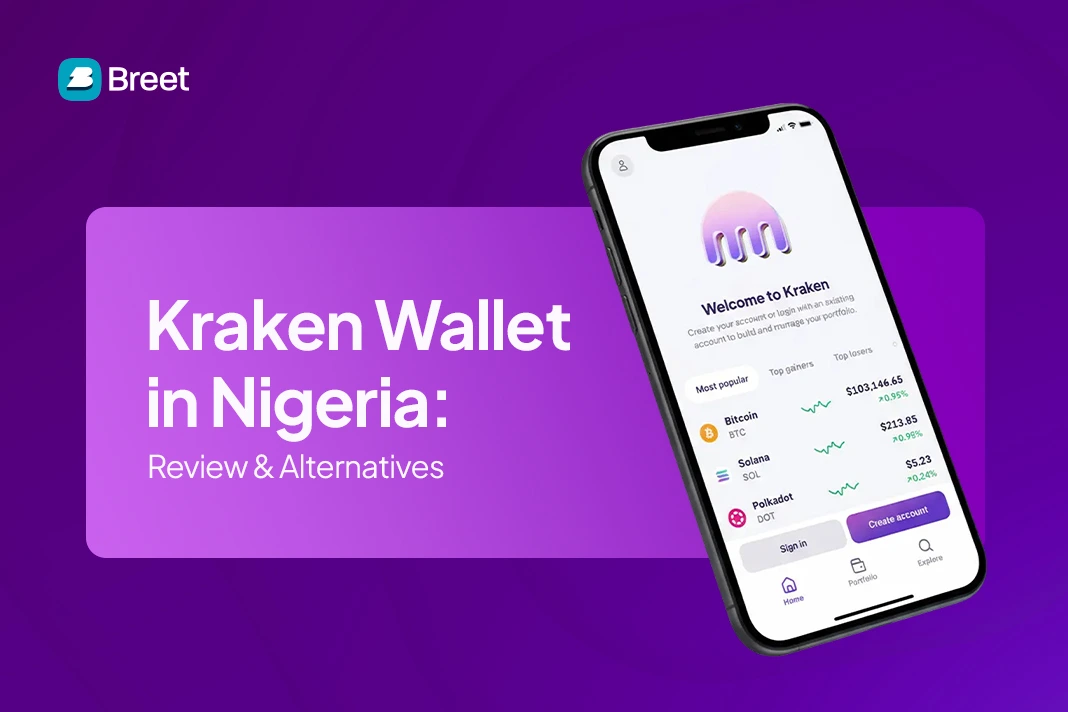
There are many crypto wallets available today and anyone who is interested in cryptocurrency has likely used or explored a few of them. You’ve probably heard about Kraken Wallet; maybe through someone you know or a research on crypto wallets.
Of course, many Nigerian crypto enthusiasts are looking for secure and easy ways to store, send and receive crypto. Naturally, a globally recognized platform like Kraken often comes up in that conversation.
Kraken is primarily known as a Cryptocurrency exchange, but it also provides wallet services that allow users to store and manage their crypto.
It is popular for its strong security features, wide range of supported cryptocurrencies and advanced trading tools. For Nigerians who want a trusted international platform, this can make Kraken seem like an attractive option. However, it was not exactly created with Nigerian users in mind.
If you’re looking for a wallet that lets you easily convert crypto to Naira, it may not be your best option. That doesn’t mean it’s bad, it just means there are better options out there for Nigerians specifically.
This article breaks down everything you need to know about Kraken Wallet from a Nigerian perspective and then shows you 7 alternatives that solve most crypto wallet problems.
Kraken Wallet Review in Nigeria
When people search for Kraken wallet in Nigeria, they usually want to know one thing: is it safe and does it work well for Nigerians?
Kraken Wallet is owned by Kraken, a popular global crypto exchange. The platform is mainly built for trading but users can also store their crypto in their Kraken account wallet. In this guide, note that we will focus on Kraken wallet specifically and not the exchange in general.
Does Kraken Work in Nigeria?
Yes, Kraken works in Nigeria, and Nigerian users can open an account, complete identity verification, deposit cryptocurrencies, and trade assets like Bitcoin and Ethereum on the platform. However, Kraken does not currently support direct deposits in Nigerian Naira (NGN) through local bank transfers, meaning users typically need to fund their accounts by transferring crypto from another exchange or wallet.
While cryptocurrency trading is not illegal in Nigeria, the regulatory environment has shifted in recent years, so users should stay informed about Central Bank of Nigeria (CBN) policies and compliance requirements. Overall, Kraken is accessible in Nigeria, but it is better suited for users who already have access to cryptocurrency rather than those looking to deposit Naira directly.
What Kraken Wallet Does Well

Kraken is a self-custodial wallet that supports 12 blockchains at launch, including major networks like Bitcoin, Ethereum, Solana, Dogecoin and Polygon, as well as several Ethereum Virtual Machine compatible Layer 2 chains such as Arbitrum, Base and Optimism.
Security is serious here. Kraken Wallet utilizes multiple security layers, such as biometric authentication, password encryption, encrypted iCloud backup, app lock and NFT spam-related attack detection. Your private keys stay on your device, not on Kraken’s servers.
The interface is clean also. Kraken Wallet offers a clean interface for beginners and experienced crypto users. You can swap tokens, stake certain coins and connect to DeFi apps through WalletConnect.
In the fees aspect, Kraken charges trading fees, deposit and withdrawal fees (depending on method and coin). The trading fees are competitive compared to many global exchanges.
What Works For Nigerians?
For storing and managing crypto, Kraken Wallet does the job. You can receive Bitcoin, USDT, Ethereum and more. You can swap between coins directly in the app, stake supported tokens and earn rewards.
It gets tricky for Nigerians though; There’s no way to buy crypto with Naira. There’s also no way to sell crypto for Naira. More so, there’s no way to withdraw Naira directly to your Nigerian bank account. That is very limiting because what’s the use of crypto in the long run if it cannot be spendable?
Again, Kraken Wallet launched in April 2024 primarily for mobile users on iOS and Android. There’s no desktop version, which some users find limiting. There are other limitations. Let’s see them.
Limitations of Kraken Wallet for Nigerian Users
We need to be open and honest about what doesn’t work. Let’s look at them:
- No/Limited Naira Support: The wallet has no integration with Nigerian payment systems whatsoever. You cannot deposit or withdraw Naira
- Limited Coin Selection: Kraken Wallet supports 12 blockchain networks (Bitcoin, Ethereum, Solana, Dogecoin, Polygon, Arbitrum One, Base, Optimism, Blast, Avalanche, Linea and Ink), which sounds like a lot until you realize competitors support up to 50. If you’re exploring newer altcoins or specific African crypto projects, you might not find them here.
- No Fiat On-Ramp: You can’t use your debit card to buy crypto directly in the app. You have to buy crypto elsewhere first, then send it to Kraken Wallet. This is because the wallet does not include built-in options to buy crypto with fiat. You can, however, buy on the Kraken exchange and send to the wallet.
- Mobile-Only: Kraken wallet is a mobile-first wallet on iOS and Android and you don’t need a Kraken exchange account to begin. If you prefer managing crypto on your computer, you’re out of luck.
- Customer Support Gaps: Kraken’s support is decent globally, but it doesn’t have localized support for Nigerian-specific issues.
Top 7 Alternatives to Kraken Wallet for Nigerian Users
There are several reliable alternatives that offer strong security, good user experience, competitive fees and better local support. Below are 7 solid alternatives to Kraken wallet that Nigerian users can consider:
- Breet Wallet
- Binance Wallet
- MetaMask
- Trust Wallet
- Luno Wallet
- Bitget Wallet
- Exodus Wallet
1. Breet Wallet
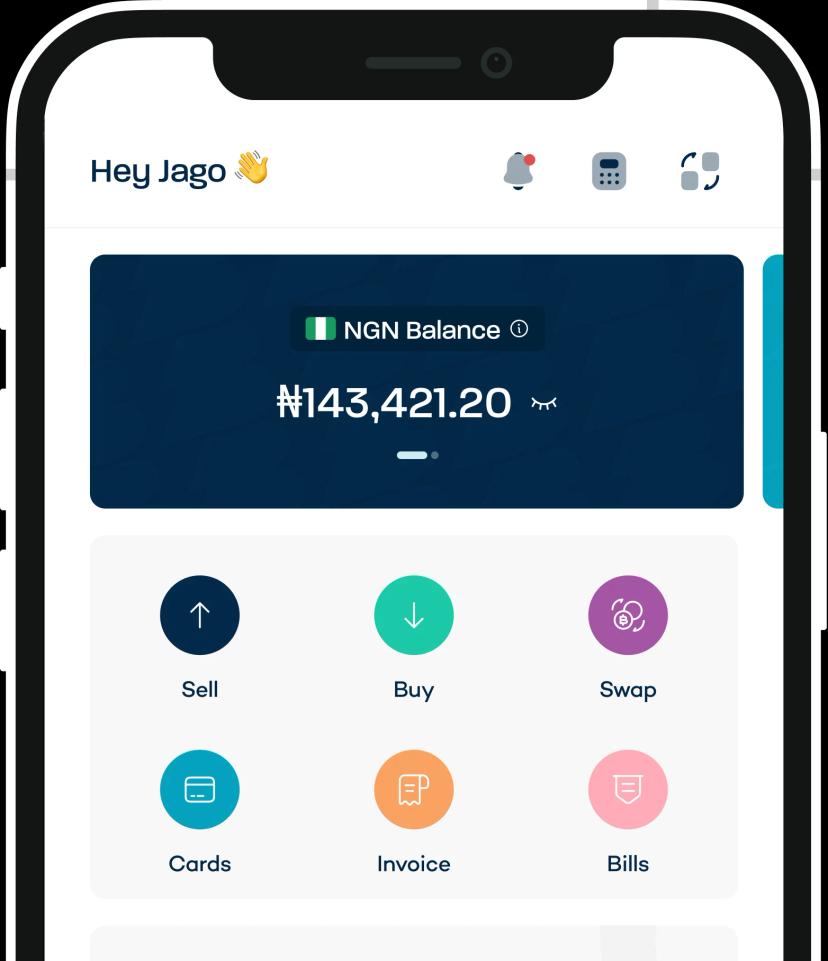
Breet is an over-the-counter (OTC) platform built mainly for Nigerians who want a simple way to convert crypto to Naira, withdraw seamlessly to their bank accounts or buy stablecoins. It is not a complex trading platform. Instead, it focuses on helping you receive crypto and automatically convert it to cash.
When someone sends you Bitcoin, USDT or other supported coins, Breet can automatically convert it to Naira and send the equivalent directly to your Nigerian bank account.
This removes the stress of using P2P or finding buyers. It also allows you to hold USD till you are ready to convert.
The app is very easy to use and does not require advanced knowledge. Security includes account verification and standard protection measures, but since it is custodial, Breet controls the wallet keys.
2. Binance Wallet
Binance is one of the largest crypto exchanges in the world. Inside your Binance account, you get a wallet where you can store many cryptocurrencies.
For Nigerians, Binance is popular because of its P2P marketplace. You can buy crypto with Naira from other users and sell crypto for Naira directly to your bank account.
This makes it easier to move between crypto and cash compared to platforms that do not support local options.
Binance supports hundreds of coins.
The app works well on both mobile and desktop. It also offers strong security such as two factor authentication and withdrawal protection. However, because it has many features like futures, staking, and margin trading, beginners may feel overwhelmed at first.
Related:
3. MetaMask
MetaMask is a non custodial wallet. This means you control your private keys. No company controls your crypto but you.
MetaMask is mostly used for Ethereum and other smart contract blockchains. It is very popular for DeFi, NFTs, and Web3 apps. Nigerians who use decentralized apps often connect MetaMask directly to those platforms.
It does not support Naira deposits or withdrawals. You will need to buy crypto elsewhere and send it to your MetaMask address. Security depends heavily on you keeping your secret phrase safe. If you lose it, you lose access to your funds. It is powerful but requires responsibility.
Related:
- How to Add USDT to MetaMask in Minutes
4. Trust Wallet
Trust Wallet is a mobile based non custodial wallet. Like MetaMask, you control your private keys.
Trust Wallet supports many blockchains and tokens. You can store Bitcoin, Ethereum, BNB, USDT, and many other coins in one app. It also has a built-in swap feature that allows you to exchange one crypto for another inside the app.
There is no direct Naira support. Nigerians usually fund it using P2P platforms or exchanges before sending crypto to the wallet. The app is simple and clean, which makes it good for beginners who want control of their crypto without too much complexity.
Related:
- How to Add USDT TRC20 to Trust Wallet in Minutes
5. Luno Wallet
Luno is known for being beginner friendly and operating in several African countries. In Nigeria, it allows users to buy and sell crypto with Naira, depending on current banking regulations.
The platform is simple to navigate. You can deposit Naira, buy Bitcoin or Ethereum, store it in your wallet, and withdraw back to your bank account. It does not support as many coins as Binance but it focuses on major cryptocurrencies.
Security features include two factor authentication and account verification. Because it connects more directly with local banking systems, many Nigerians find it easier for basic buying and selling.
Related:
- Roqqu vs Luno: Which is Better?
6. Bitget Wallet
Bitget Wallet supports multiple blockchains and allows users to store and manage different crypto assets.
It is designed for users who want access to DeFi, token swaps, and cross chain transfers. You can swap assets across different networks inside the wallet. It also connects to the larger Bitget exchange ecosystem.
There is no direct Naira deposit feature. Nigerians will need to use P2P or another exchange to buy crypto and then transfer it to Bitget Wallet. It is more suitable for users who want flexibility across multiple chains.
7. Exodus Wallet
Exodus is available on both desktop and mobile. It is known for its clean design and simple interface.
Exodus supports many cryptocurrencies and includes a built-in exchange feature so you can swap coins inside the wallet. It is non custodial, meaning you control your keys.
Like most international wallets, it does not support direct Naira deposits or withdrawals. Nigerians must buy crypto elsewhere and transfer it into Exodus. It is ideal for users who want a simple way to hold and manage different assets without using a full exchange.
Top Pick:
- How to Buy Crypto in Nigeria: Top 11 Sites
How to Choose the Right Wallet in Nigeria
Before settling for a wallet for your crypto needs, there are important things to consider. Here’s how to choose the right crypto wallet in Nigeria:
- Security: Look for wallets with two-factor authentication, biometric login and either self-custody (you control your keys) or strong custodial security. Never trust a wallet that doesn’t have basic security features.
- Naira Support: If you need to withdraw regularly, pick a wallet with direct Naira withdrawal or easy P2P access. Wallets like Breet and Binance make this simple.
- Use Case: Are you holding long-term or trading actively? Do you need DeFi access? Are you just receiving payments? Your needs will help you determine the right wallet.
- Backup and Recovery: Make sure the wallet lets you backup your seed phrase. Write it down on paper and store it somewhere safe, not on your phone or computer. If you lose your seed phrase with a self-custodial wallet, your crypto is gone forever.
- Customer Support: Check if the wallet has responsive support. Also, do your research and read reviews from other Nigerians.
- Fees: Compare withdrawal fees, swap fees and network fees. Some wallets have hidden charges that add up quickly.
Read Also:
- USDT TRC20 Contract Address: What is it & How to Check it?
Frequently Asked Questions on Kraken Wallet
Can I Withdraw Naira from Kraken Wallet?
No. Kraken Wallet doesn’t support Naira or any fiat currency withdrawals. It’s strictly a crypto-only wallet. To get Naira, you’ll need to send your crypto from Kraken Wallet to a platform like Breet, that supports Naira withdrawals.
What is the Difference between Kraken and Kraken Wallet?
Kraken is a cryptocurrency exchange where users can buy, sell, trade, and stake digital assets like Bitcoin and Ethereum. It acts as a trading platform and custodian for your funds. Kraken Wallet, on the other hand, is a self-custody crypto wallet that allows users to store and manage their private keys directly. While Kraken (the exchange) controls the assets held on its platform, Kraken Wallet gives users full control and responsibility over their crypto.
Is Kraken a Safe Wallet?
Kraken is considered one of the more secure cryptocurrency exchanges globally, with strong security measures such as two-factor authentication (2FA), cold storage for most user funds, encryption, and regular security audits. However, Kraken is primarily an exchange, not a traditional self-custody wallet. For long-term storage, some users prefer self-custody wallets where they control their private keys. As with any crypto platform, users should enable all security features and follow best practices to protect their accounts.
Is Kraken Wallet Available in Nigeria?
Yes, Kraken Wallet is available in Nigeria. Users in Nigeria can download and use the wallet to store, send, and receive cryptocurrencies. However, while the wallet itself is accessible, users should ensure they comply with local regulations regarding cryptocurrency use and stay updated on policies from Nigerian financial authorities.
What’s the Best Alternative to Kraken Wallet for Nigerians?
For most Nigerians, Breet is the best alternative if you need easy crypto to cash or stablecoin purchases.