- Is Binance Still Available in Nigeria?
- So, Does Binance Work in Nigeria?
- How Are Nigerians Using Binance in 2026?
- What Changed: Binance Restrictions and the Legal Status
- Why Binance No Longer Fits Most Nigerians
- How to Get Your Crypto Out of Binance and Into Naira
- Top Alternatives to Binance for Nigerians
- Safety Tips for Crypto Users in Nigeria
- Conclusion
- Frequently Asked Questions
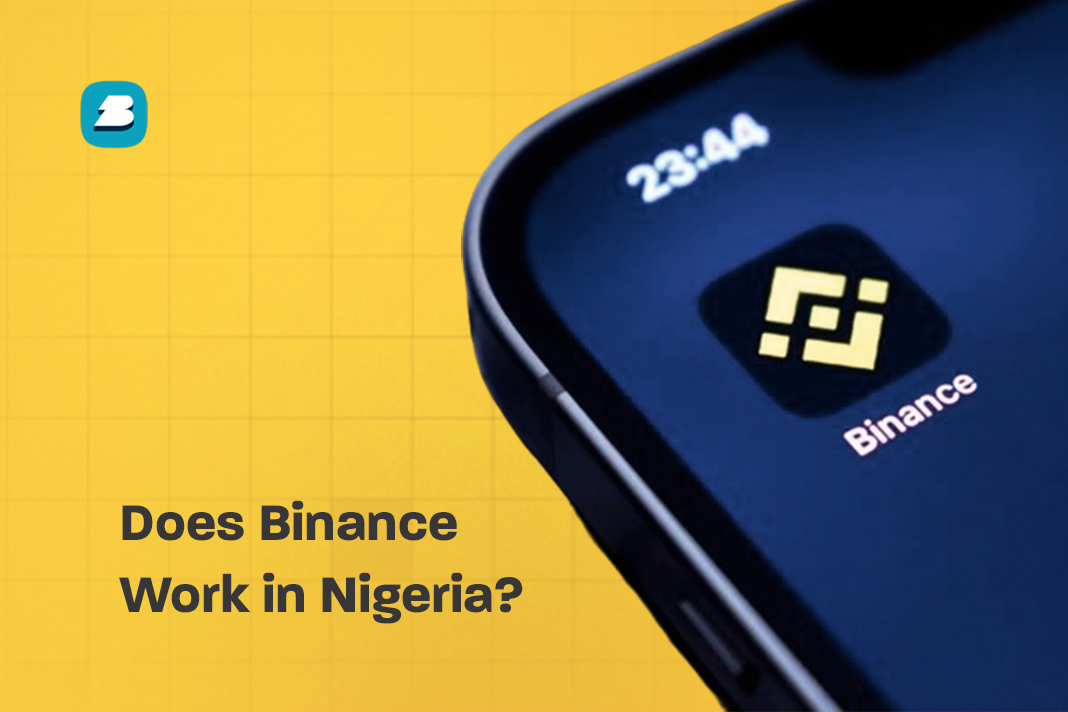
Short answer, as of June 2026: Binance technically still works in Nigeria for crypto-to-crypto trading and withdrawing crypto to an external wallet — but all naira services (deposits, withdrawals, and Naira P2P) are gone, and the website is blocked by Nigerian ISPs.
Crypto is huge in Nigeria — one of the highest-adoption markets in the world — so Binance supported the country early. But the platform has had a rocky run here, which is why you’re probably asking whether it still works at all. It does, partly. The bigger question, if your money is sitting on it, is what you can still do and how to get it out.
This guide covers what still works, what changed, and where the law stands in 2026, why Binance no longer fits most Nigerians, how to get your money out, the best alternatives, and how to stay safe.
Is Binance Still Available in Nigeria?
Binance isn’t fully banned, but it’s been progressively cut back since 2021 — and the naira era ended in 2024.
Binance first offered naira-to-crypto pairs in 2019 and naira peer-to-peer trading in 2020, the first African currency on Binance P2P. Crypto laws were full of grey areas then, and Nigerians used Binance’s full feature set freely. In 2021, the Central Bank of Nigeria (CBN) barred commercial banks from facilitating crypto transactions, which hit every exchange, not just Binance. In 2023, the CBN reversed that ban — but the reprieve was short.
In February 2024, Binance suspended naira trades on P2P, and Nigerian telecom providers blocked access to many crypto sites, including Binance among them. In March 2024, Binance discontinued all NGN services and converted remaining naira balances to USDT. That’s the key fact: there’s no naira left on the platform to withdraw.
So, Does Binance Work in Nigeria?
Yes, technically — with hard limits. You can still own a Binance account, trade crypto-to-crypto, and withdraw crypto to an external wallet. What you can’t do is touch Naira: the domain is blocked for Nigerian users, Naira P2P is suspended, and access to token airdrops and other incentives is gone. And because naira balances were auto-converted to USDT back in March 2024, there’s nothing in naira left to withdraw on-platform anyway.
How Are Nigerians Using Binance in 2026?
Mostly for crypto, not cash. Nigerians on Binance today make crypto deposits (naira deposits are suspended), trade crypto-to-crypto, and withdraw crypto to another wallet. Since the domain is blocked, some reach the web platform with a VPN. Incentives, airdrops, and card or fiat features remain suspended for Nigerian accounts. In short, Binance has become a place to hold and swap crypto — not a way to get naira.
What Changed: Binance Restrictions and the Legal Status
Three restriction layers stack up — telecom and domain blocks, the removed Naira P2P pair, and bank account freezes — on top of an escalating legal fight with the Nigerian government.
- Telecom and domain restrictions. ISPs block Binance domains and subdomains in Nigeria. People work around it with VPNs, but that’s unreliable and can break parts of the web platform.
- Restricted P2P. Binance removed the crypto-naira pair from its P2P marketplace, pushing traders onto platforms like Paxful or Bybit.
- Local bank limitations. Nigerian banks have frozen accounts believed to be tied to crypto trading with Binance.
On the legal front, the situation is escalating rather than easing. (All dated as of June 2026; frame as developing.) The CBN closed its testimony in April 2026, maintaining that Binance carried out “hidden operations” without authorization, with the trial adjourned to around May 15, 2026 (per Nairametrics). A separate FIRS tax-evasion case saw Binance pursuing an out-of-court settlement (reported around May 12, 2026). And the SEC has been pushing to remove the naira as a currency pair entirely — a strong signal that the naira-on-Binance era isn’t returning soon.
Why Binance No Longer Fits Most Nigerians
Even where it technically works, Binance no longer meets the everyday Nigerian need: cashing out to naira.
- No direct naira support. This is the real problem. Everything is crypto-to-crypto, and getting actual naira needs an extra step on an external platform — which raises the question this whole article is building toward: how do you get your money out?
- Legal exposure and unpredictability. With the CBN and FIRS cases ongoing, the future of any Nigerian operations is uncertain.
- Flaky, insecure access. ISP blocks force VPN workarounds that introduce instability and security risk.
- Lost incentives. No airdrops, no card, no regional promos for Nigerian accounts — perks that once added real value are offline.
How to Get Your Crypto Out of Binance and Into Naira
Since Binance can’t pay you in naira, the move is to get your crypto off Binance and cash it out through a platform that pays directly to your Nigerian bank — no P2P required. Binance can still hand you crypto; it just can’t hand you naira anymore. Here’s how to close that last gap.
The generic steps work regardless of which tool you choose:
- Convert to a liquid asset on Binance. Swap your holdings to something stable and widely supported, like USDT on the low-fee TRC-20 network.
- Withdraw the crypto off Binance. Send it to your own wallet or directly to a cash-out platform’s deposit address — the one thing Binance still lets Nigerians do.
- Cash out to naira. Either via P2P (slower, with scam risk) or through a direct crypto-to-naira platform (faster, no strangers).
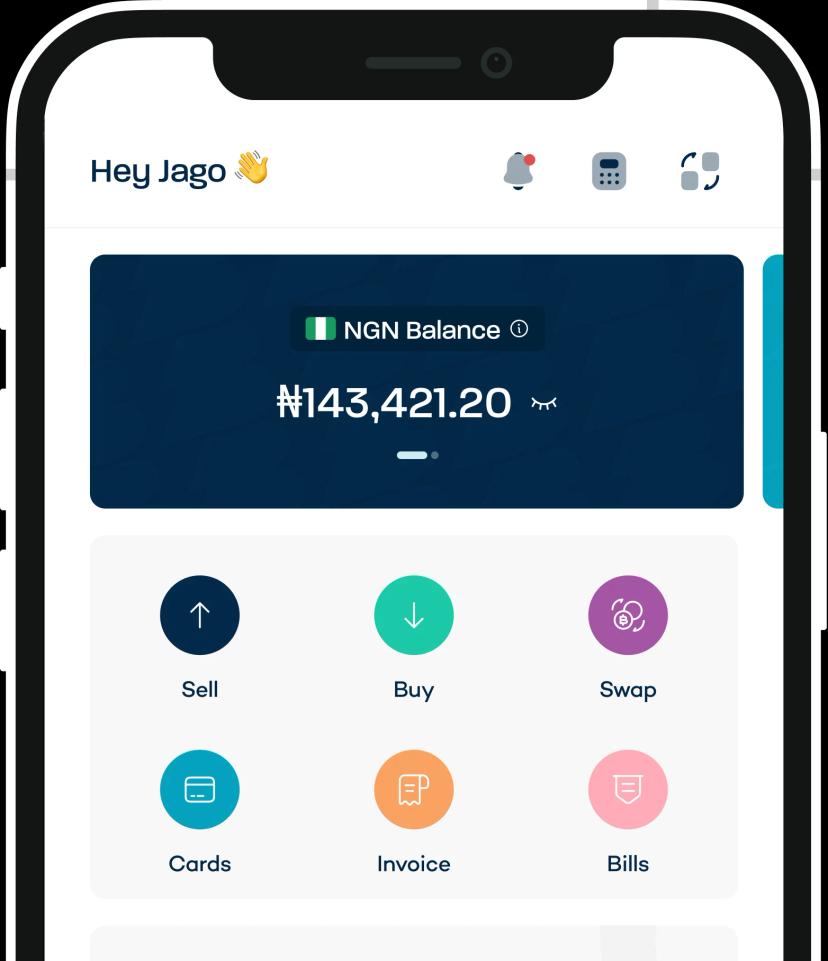
For most people, the direct route is the honest fix. With Breet, you send the crypto and get naira straight to your bank account — no P2P chat, no waiting on strangers, fast rates, and no VPN. Here’s the walkthrough for how to withdraw Bitcoin to naira.
To be clear about what Breet is: it’s a crypto-to-naira conversion and cash-out platform for Nigeria and Ghana — not a trading exchange. It solves the exact thing Binance removed.
Top Alternatives to Binance for Nigerians
The right alternative depends on the job: cashing out to naira, or actively trading crypto. Most Nigerians searching for this need the first.
Breet — the cash-out and conversion answer. It’s the simplest way to turn crypto into naira (or cedis) straight to your bank — no P2P, no trading complexity, no VPN. Fast, with strong rates, non-custodial, 400,000+ users, and PCI DSS / NDPC compliant. Best for anyone who just needs to get paid out, plus freelancers and businesses using crypto invoicing. You can sell your crypto for naira or specifically sell Bitcoin in Nigeria. To be honest about it: Breet isn’t a spot or derivatives trading exchange — if you want to actively trade, see the exchanges below.
Bybit — a full-featured centralized exchange and the closest thing to Binance. It supports advanced trading and a wide range of coins, but offers no direct naira deposits or withdrawals, and it lost its Nigerian license in 2024.
KuCoin — a centralized exchange still operational in Nigeria, with trading and a P2P marketplace.
If you’re comparing local options, you can also look at Luno and these Quidax alternatives. For buying rather than cashing out, see crypto on-ramp platforms in Nigeria and fiat-to-crypto in Nigeria.
The simple decision cue: want to cash out? Use a direct converter like Breet. Want to actively trade? A CEX like Bybit or KuCoin — but you’ll still need a separate naira off-ramp.
Safety Tips for Crypto Users in Nigeria
Restrictions breed scams, so a few habits matter more than ever:
- Enable 2FA on any platform that holds your funds.
- Avoid “Binance agents.” Don’t trade with third parties on Telegram or Discord claiming to help you withdraw crypto at a discount. If it’s too good to be true, it is.
- Watch for phishing lookalikes. Malicious sites mimic blocked platforms with near-identical domains (like “blnance”) to steal logins.
- Use only verified P2P traders on platforms with weaker verification, if you use P2P at all.
A useful shortcut: a no-P2P direct converter removes most of these risks entirely — no strangers, no agent scams, no fake alerts. If you’re new to verification, here’s KYC in crypto explained.
Conclusion
Binance hasn’t fully left Nigeria, but the seamless naira experience is gone. What still works is crypto-to-crypto trading and withdrawals to an external wallet; what’s gone is direct naira, P2P, airdrops, and cards. Other platforms have stepped in to fill the gaps.
The real takeaway: if you just need naira, you don’t have to fight a VPN or trust a P2P stranger. A direct converter does it — crypto in, naira to your bank, in minutes.
Cash out crypto to naira on Breet
Frequently Asked Questions
What Is the Issue With Binance in Nigeria?
It’s regulatory. Nigerian authorities restricted Binance’s website and cracked down on alleged FX-rate manipulation via naira P2P. As of June 2026, the CBN has closed its “hidden operations” testimony with the trial ongoing, and a separate FIRS tax case is in settlement talks. Binance suspended naira services as a result.
How Much Is $1 to Naira on Binance?
There’s no fixed Binance rate anymore — the naira pair was removed. Crypto-to-naira rates are set by market supply and demand and move daily, so check a live USDT/NGN rate at the time you cash out rather than relying on a quoted figure.
Is It Legal to Use Binance in Nigeria?
Owning an account and holding crypto isn’t outlawed for individuals. But Binance has no Nigerian license, and its naira services are suspended, so for cashing out, you should use a compliant, licensed partner platform. (General information, not legal advice.)
What’s the Best Alternative to Binance in Nigeria?
For cashing out to naira, a direct converter like Breet — no P2P, paid to your bank in minutes. For active trading, Bybit or KuCoin, though neither offers native naira deposits or withdrawals.