
I’ve been in crypto long enough to tell you that your coins are only as safe as where you store them.
With the rise of exchanges closing down, getting hacked, and phishing scams increasing, more Nigerians and global users are turning to cold wallets as their reliable long-term storage solution.
A cold wallet keeps your crypto completely offline, away from hackers and online threats, making it one of the safest ways to protect your assets.
If you want to hold your Bitcoin long term, manage multiple altcoins, or secure your profits from trading, finding the best cold wallet can make all the difference.
This guide breaks everything down from what cold wallets are and why they matter, to the top options in 2025, and how to choose the right one for your needs.
Related:
- 11 Best Crypto Hot Wallets for Nigerians
Why Cold Wallets Are Essential for Crypto Security
Cold wallets are offline crypto storage devices or methods that keep your private keys away from the internet. This single difference is what makes them safer than hot wallets that stay online and exposed to cyber threats.
With a cold wallet, hackers cannot remotely access your coins because the keys never touch the internet, even when you’re signing a transaction. That’s why long term holders and institutional investors consider cold storage the “gold standard” of crypto protection.
Cold wallets are essential for anyone who:
- Stores large amounts of crypto
- Holds crypto long term (HODLing)
- Wants to avoid exchange collapses or hacks
- Needs full control of their private keys
- Prefers maximum protection over convenience
Types of Cold Wallets
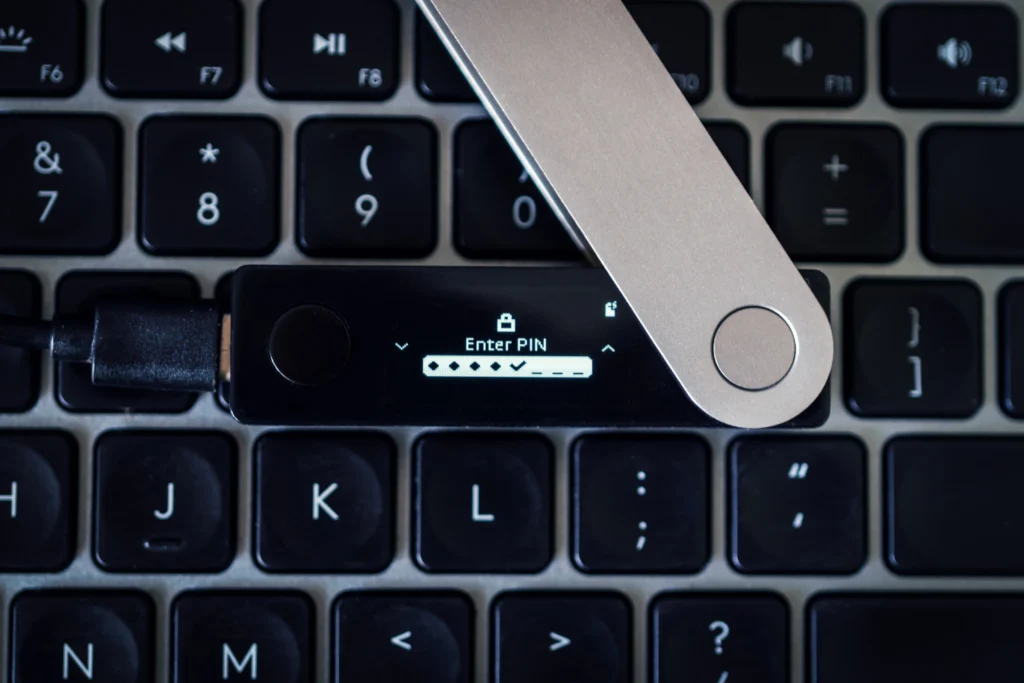
Cold wallets come in different forms, but they all share one thing in common, your private keys stay offline. Below are the main types of cold wallets you can choose from, depending on your budget, experience level, and security needs.
1. Hardware Wallets
Hardware wallets are physical devices designed specifically for storing crypto offline. They keep your private keys inside a secure chip and allow you to sign transactions without exposing your keys to the internet.
Why they’re popular:
- Extremely secure
- User-friendly
- Support hundreds to thousands of cryptocurrencies
- Portable and durable
Examples include Ledger, Trezor, Keystone, and BitBox.
2. Paper Wallets
A paper wallet is simply a printed sheet containing your public and private keys or QR codes.
Pros:
- Completely offline
- No device to hack
- Free to generate
Cons:
- Easy to damage, lose, or misprint
- Not ideal for beginners
- No built-in security features
3. Metal Seed Backups
These aren’t wallets themselves but are used to store your seed phrase on fireproof, waterproof metal plates.
It’s great for protecting your recovery phrase against:
- Fire
- Flood
- Wear and tear
Popular brands include Cryptosteel and Billfodl.
4. Offline Computers / Air-Gapped Devices
Some advanced users set up an old laptop or phone, wipe it clean, and generate/store keys permanently offline.
Pros:
- High security when configured properly
- No connection to Wi-Fi, Bluetooth, or networks
Cons:
- Complex setup
- Requires technical knowledge
5. Offline USB Drives
Some people store private keys or seed phrases on a USB drive kept offline.
Cons:
- USBs can fail without warning
- Vulnerable if plugged into compromised devices
- No encryption unless you configure it yourself
This method is only for experienced users who understand digital key security.
Top Pick:
Top 11 Cold Wallets for Nigerians
If you’re serious about protecting your crypto, choosing the right cold wallet can make or break your long-term security. Below are the 11 best cold wallets recommended for beginners, HODLers, and advanced users.
- Ledger Nano X
- Ledger Nano S Plus
- Trezor Model T
- Trezor One
- Keystone Pro
- BitBox 02
- CoolWallet Pro
- SafePal S1
- Ellipal Titan 2.0
- NGRAVE ZERO
- Paper Wallet
1. Ledger Nano X: Best Overall Cold Wallet
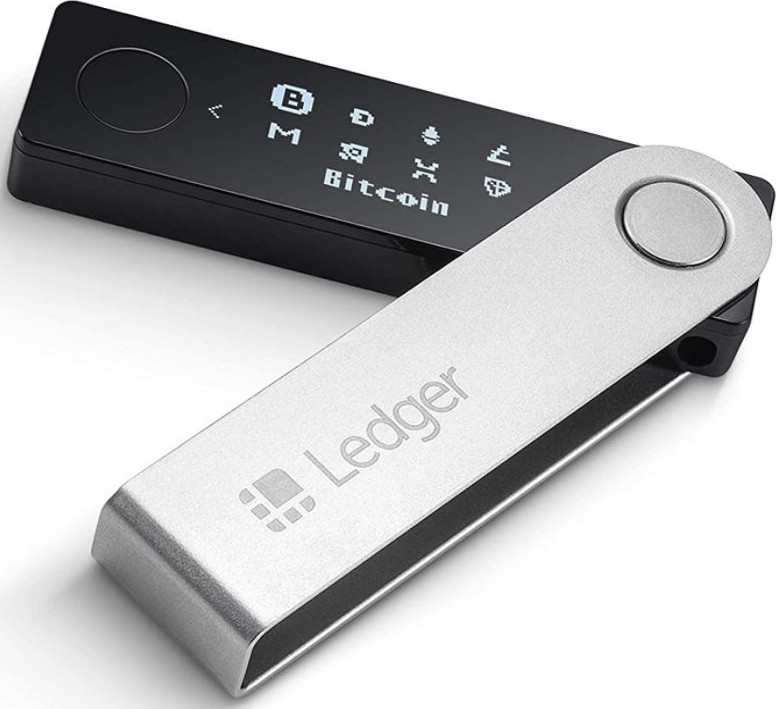
Ledger Nano X remains the most popular hardware wallet in the world. It supports thousands of coins, works with Bluetooth, and integrates with Ledger Live for easy portfolio management.
Key Features:
- Secure Element (CC EAL5+ certified chip)
- Bluetooth support for mobile use
- Large coin support including BTC, ETH, SOL, XRP, BNB, and tokens
- Regular firmware updates
- Easy backup with 24-word seed phrase
Security:
- Private keys stored offline
- PIN and recovery phrase protection
- Regular firmware updates
Best For: Everyday users, long-term holders, multi-chain users
2. Ledger Nano S Plus: Best Budget Ledger Option
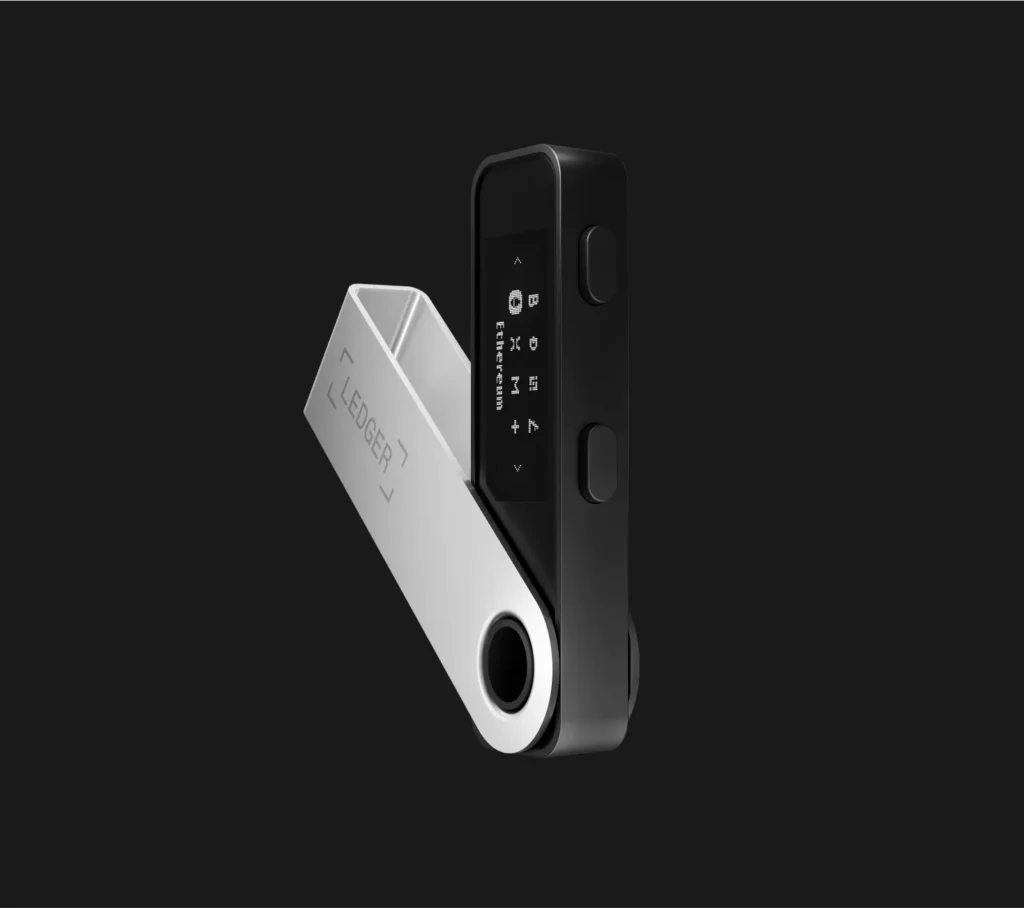
Nano S Plus offers almost everything the Nano X does, just without Bluetooth. It is the more affordable version and great for beginners.
Key Features:
- Improved storage
- Secure Element chip
- Works with Ledger Live
- Affordable but powerful
Security:
- Same Secure Element chip as Nano X
- Offline key storage
Best For: Beginners and budget users who still want premium security.
3. Trezor Model T: Best Open-Source Wallet
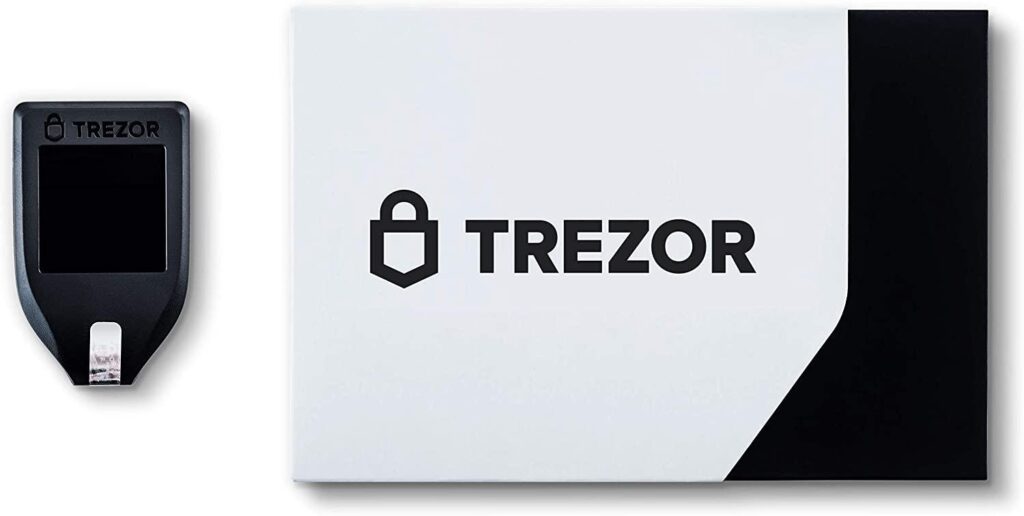
Trezor Model T is trusted for its open-source firmware and transparent security model.
Key Features:
- Full touchscreen display
- Shamir Backup (extra-secure seed backup option)
- Native integrations with Metamask, Exodus, and more
- Open-source firmware
Security:
- Open-source firmware
- Passphrase support
- Offline key generation
Best for: Users who prefer open-source technology and want maximum transparency.
Related:
- Leverage in Crypto Trading: A Beginner’s Guide
4. Trezor One: Best Affordable Open-Source Option
Trezor one is one of the oldest hardware wallets and still extremely trusted.
Features:
- Simple two-button design
- Strong open-source community
- Works with many third-party wallets
Security:
- Offline key storage
- PIN protection
- U2F authentication
Best for: Anyone who needs reliable cold storage without spending much.
5. Keystone Pro: Best Air-Gapped Hardware Wallet
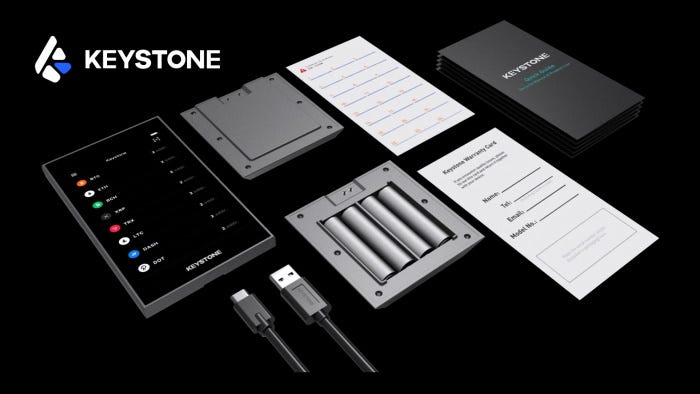
Keystone is a hardware wallet known for its fingerprint sensor and open-source firmware. It uses QR codes instead of USB/Bluetooth, making it fully air-gapped.
Key Features:
- Biometric fingerprint unlock
- Self-destruct mechanism
- Camera-based signing
- Metal body and removable battery
Security:
- Secure Element
- Self-destruct mechanism
- Open-source firmware
Best for: Users storing large amounts of crypto who want biometric protection.
6. BitBox02: Best Minimalist Cold Wallet
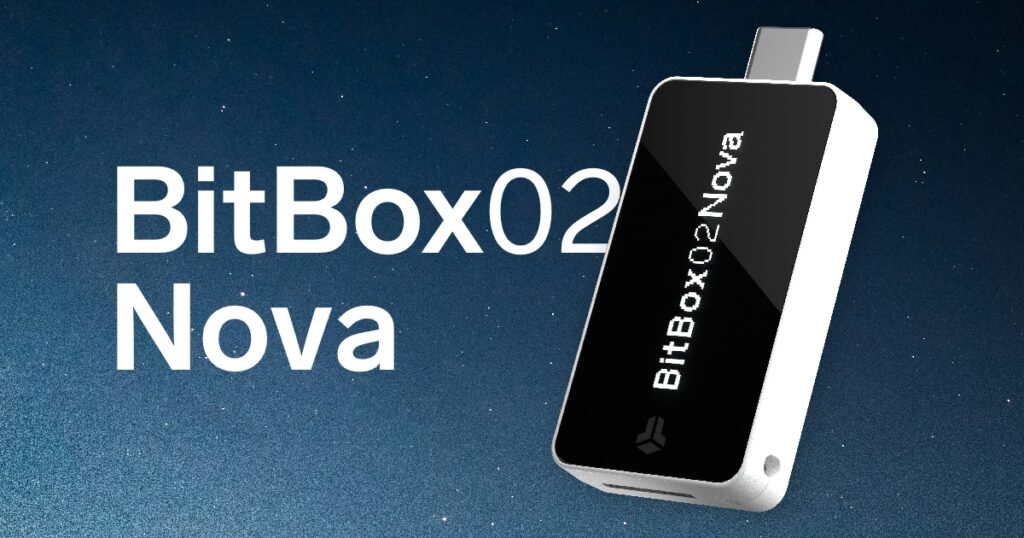
A minimalist hardware wallet from Switzerland with a focus on simplicity and privacy.
Key Features:
- Touch sliders instead of buttons
- MicroSD card backup
- Open-source firmware
- Compact and durable
Security:
- Open-source firmware
- Secure chip
- Multi-layered backup
Best for: Privacy-focused users and Bitcoin maximalists.
7. CoolWallet Pro: Best Wallet for Mobile Users
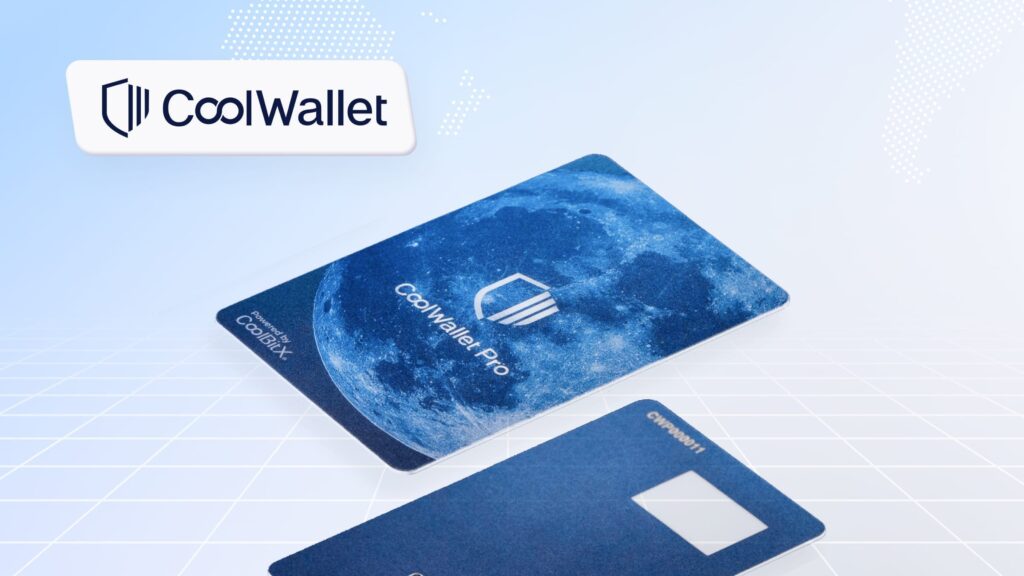
CoolWallet Pro looks like a credit card and connects to your phone via encrypted Bluetooth.
Key Features:
- Waterproof, bendable “card-style” wallet
- Secure Element chip
- Integrated staking for some assets
Security:
- Secure Element
- Biometric verification on mobile
- Encrypted Bluetooth
Best for: Users who want a hardware wallet that fits in their wallet like a debit card.
8. SafePal S1: Best Wallet Under $100
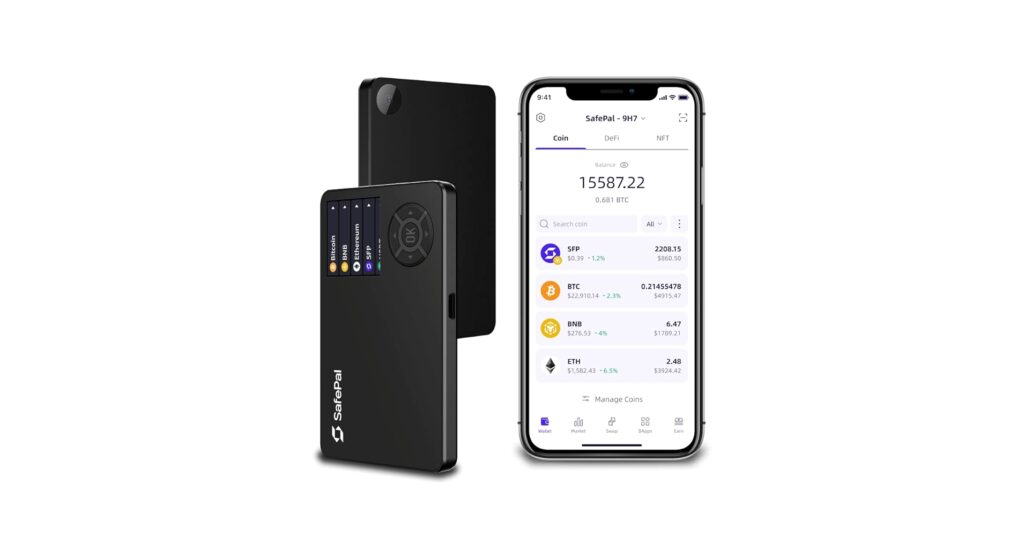
SafePal S1 is a hardware wallet backed by Binance Labs, that is affordable but powerful.
Key Features:
- QR code signing (air-gapped)
- Large coin support
- Supports Binance DEX and DeFi apps
Security:
- Air-gapped
- Self-destruct mechanism
- Secure Element chip
Best for: Budget users who want maximum offline security.
9. Ellipal Titan 2.0: Best Tamper-Proof Wallet

Ellipal Titan is a metal, sealed device that is almost impossible to tamper with.
Key Features:
- Fully air-gapped (QR code signing)
- Anti-tamper metal shell
- Big touchscreen
- Cross-chain support
Security:
- Anti-tamper metal design
- Secure element chipset
Best for: People who want the highest level of offline security and no digital connections.
Related:
- 9 Best Bitcoin Wallets in Ghana
10. NGRAVE ZERO: Highest Security Hardware Wallet
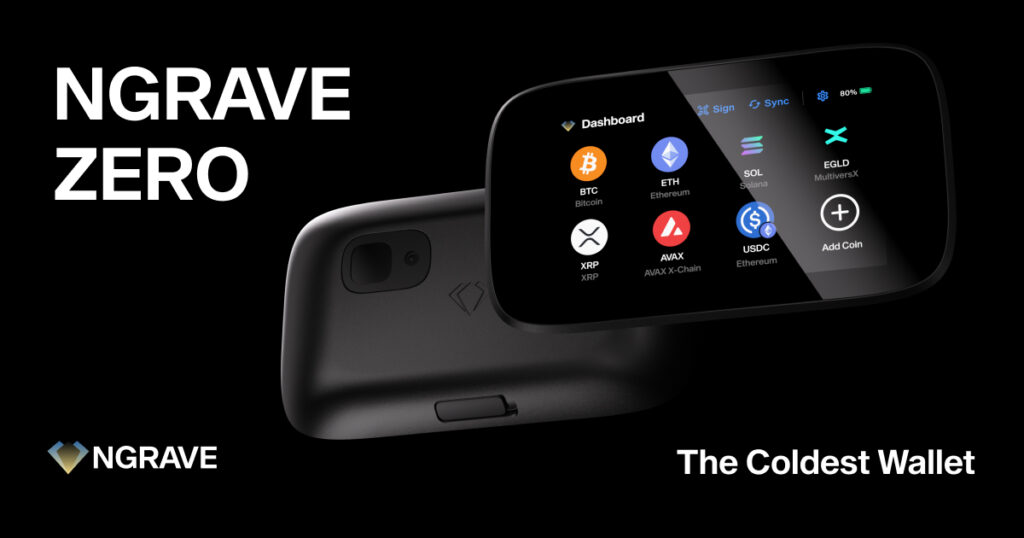
This is one of the most secure hardware wallets ever made—fully air-gapped and rated EAL7, which is higher than Ledger or Trezor.
Key Features:
- Completely offline, no Wi-Fi, Bluetooth, USB
- Secure Element chip
- Laser-engraved metal backup (NGRAVE GRAPHENE)
- Huge touchscreen
Security:
- Full offline operation
- Temper-proof and metal build
- No WiFi, no USB, no Bluetooth
Best for: Long-term, high-value investors who want the strongest security on the market.
11. Paper Wallets: Best Free Cold Wallet Option

A paper wallet technically isn’t a device, but it’s still a form of cold wallet, and some people prefer this simple offline method..
Key Features:
- 100% offline
- Can be generated on an offline device
- No hardware needed
Security:
- No digital exposure
- Immune to online attacks
- Only secured by physical protection
Best for: People storing long-term Bitcoin without needing regular access.
For You:
How to Choose the Right Cold Wallet in Nigeria
1. Security Features
Choose a wallet with strong protection like a Secure Element chip, passphrase support, air-gapped design, and anti-tamper technology. These are the core features that keep your crypto safe from both online and physical attacks.
2. Supported Coins and Blockchains
Make sure the wallet works with the cryptocurrencies you actually hold. Some support hundreds of assets, while others, like Bitcoin only wallets, focus on just one.
3. Ease of Use
A cold wallet should not be stressful to set up or operate. Touchscreen wallets are usually more user-friendly, while simpler USB-style devices appeal to minimalists. Pick one you can comfortably manage.
4. Backup & Recovery Options
Look for wallets that offer a safe, simple way to back up your seed phrase, either through microSD storage, QR codes, or compatibility with metal backup plates.
5. Durability & Build Quality
If you plan to store your wallet long term or travel with it, go for a sturdy device. Metal-bodied wallets offer more physical protection, while plastic ones are lighter and more budget-friendly.
6. Brand Reputation & Support
Always buy from trusted companies with strong user reviews, active firmware updates, and responsive customer support. A reputable brand reduces the risk of security issues or abandoned products.
Read Also:
- What is a Custodial Wallet? Top 7 Examples for Beginners
Tips for Using Cold Wallets Safely
Using a cold wallet greatly improves your crypto security, but it only works if you handle it correctly. Here are the most important safety tips every crypto holder should follow:
1. Set Up Your Wallet Offline and Securely
When you unbox your cold wallet, set it up in a private location with no cameras or unfamiliar devices around. Avoid public Wi-Fi or shared computers. Your setup process should be completely offline to eliminate exposure.
2. Always Store Your Seed Phrase Properly
Your seed phrase is the master key to your funds. Never store it on your phone, laptop, email, Google Drive, or anywhere digital. Write it down on paper or, even better, engrave it on a metal seed backup plate to protect it from fire, water, and physical damage.
3. Never Take Photos or Screenshots of Your Recovery Phrase
A photo can be hacked, synced to cloud storage, or accidentally shared. Keeping it offline is what makes a cold wallet secure.
4. Keep Your Firmware Updated
Cold wallet manufacturers regularly release firmware updates to fix bugs and enhance security. Always update directly from the official website and verify that the update is legitimate before installing.
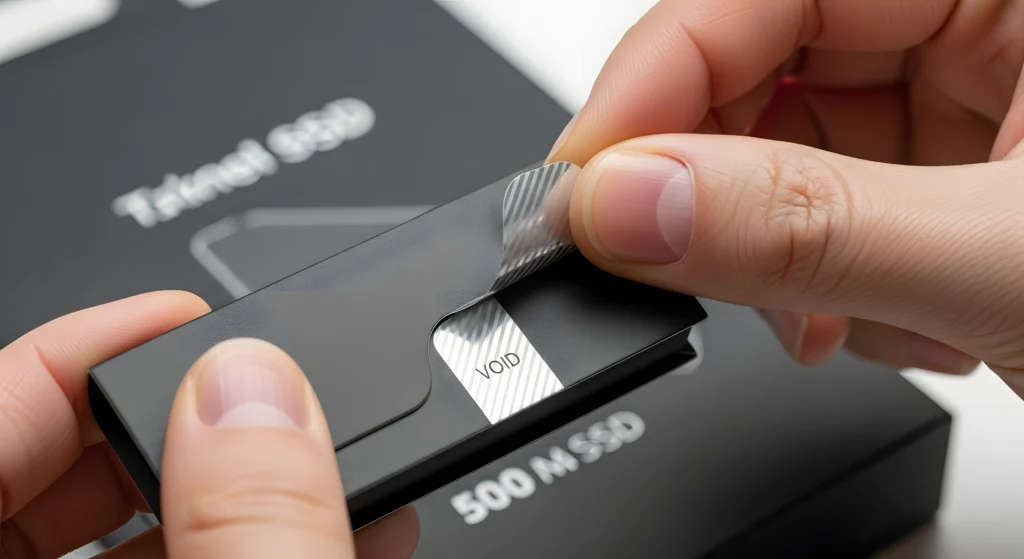
5. Buy Only From Official Stores
Counterfeit hardware wallets exist. Always purchase from the company’s official site or authorised resellers. Avoid used devices or anything that seems tampered with.
6. Keep Your Device Physically Safe
Even though it stores no crypto directly, your cold wallet is still valuable. Store it in a safe, locked drawer, or secure location. If someone gets physical access, they may attempt to guess your PIN or tamper with the device.
7. Avoid Connecting to Unknown or Compromised Computers
If you must connect your cold wallet to sign transactions, use your own trusted computer. Malware infected systems can trick you into signing malicious transactions.
Don’t Miss:
- 11 Best Non-Custodial Wallets
Conclusion on Cold Wallets
Cold wallets remain the gold standard for securing cryptocurrency, especially for long term investors and holders of significant assets. By keeping your private keys offline, these wallets protect your funds from online hacks, phishing attacks, and malware that often target hot wallets.
Choosing the right cold wallet involves checking security features, supported coins, ease of use, and the reputation of the manufacturer. Proper setup, safe storage of your seed phrase, and regular firmware updates are crucial to maintaining maximum protection.
With the right cold wallet and careful practices, you can confidently safeguard your crypto while staying ahead in the fast-evolving digital asset world.
Frequently Asked Questions About Cold Wallets
What is a Cold Wallet in Cryptocurrency?
A cold wallet is an offline crypto storage device that keeps private keys away from the internet, protecting funds from hacking and online threats. Examples include hardware wallets and paper wallets.
Why is a Cold Wallet Safer than a Hot Wallet?
Cold wallets store crypto offline, making them immune to phishing, malware, and exchange hacks that can affect hot wallets connected to the internet.
Which is the Best Cold Wallet in 2026?
Popular options include Ledger Nano X, Trezor Model T, Ellipal Titan, Keystone Pro, and NGRAVE ZERO. The best choice depends on security, coin support, ease of use, and budget.
Can I Store all cryptocurrencies in a cold wallet?
Not all cold wallets support every coin. Before buying, check compatibility with Bitcoin, Ethereum, altcoins, and tokens across various blockchains like ERC-20, TRC-20, or BNB Smart Chain.
How do I Recover Funds if I lose my Cold Wallet?
Recovery is done using your seed phrase or backup. Always store it securely offline, on paper or metal, to restore access if the device is lost, stolen, or damaged.