I’ll never forget the day I bought my first Bitcoin and wondered where it really went. What do you mean all my money could disappear with a little mistake.
That moment made me realise how confusing crypto can be when you don’t understand the concept of a crypto wallet.
In the world of digital assets, a custodial wallet offers an easier onboarding process for new crypto users where you can easily access and trade without handling or worrying about your private keys.
In this guide, we’ll break down what custodial wallets are, how they work, and whether they’re the right choice for you in 2025.
Related:
- 11 Examples of Non-Custodial Wallets
What Is a Custodial Wallet?
A custodial wallet is a type of cryptocurrency wallet in which a third party, either a crypto exchange or service provider, holds and manages your private keys for you.
Instead of creating and storing a seed phrase yourself, you typically use a username and password, and the custodian handles the rest. This setup is common among crypto exchanges because it simplifies onboarding and reduces the risk of users losing access.
How Custodial Wallets Work

Here’s a breakdown of how custodial wallets work, especially when using crypto exchanges like Breet or major exchanges:
1. Account Creation & Verification
You sign up on a platform such as Breet or Binance, and verify your identity with KYC. Custodial services commonly require this because they operate under regulatory frameworks in a specific region.
2. Holding of Private Keys
The provider stores your private keys using secure infrastructure. For major custodians, this often involves multi-signature wallets, cold storage, or other high-grade security measures.
3. Deposits & Balances
When you deposit crypto or receive payments, your balance is credited to your custodial account. While the assets live on-chain, the custodian controls the corresponding keys and on-chain actions.
4. Transactions
To send crypto, you initiate the transaction through the custodian’s interface. The custodian signs and broadcasts the transaction on your behalf, since they control the necessary keys.
5. Recovery & Account Access
If you forget your password while using custodial wallets, you typically regain access through the provider’s recovery processes, which includes, email verification, identity checks, or customer support, depending on the provider’s policy.
6. Security Measures
Custodians employ advanced security techniques such as multi-sig, cold storage, and sometimes regulatory compliance measures to protect users’ assets.
Recommended:
- How to Generate a Free Bitcoin Invoice
Pros and Cons of Custodial Wallets
Just like any crypto exchange or tools, custodial wallets have their pros and cons depending on what you need them for. Here are a few things you should know before choosing a custodial wallet:
Pros
- User-friendly experience: Because you don’t deal with seed phrases or manual key management, custodial wallets are simpler for beginners.
- Account recovery: You can reset your login, unlike non-custodial wallets where loss of keys can mean loss of funds.
- Integrated services: Many custodial wallets are part of exchanges, giving you direct access to trading, staking, and fiat on-ramps.
- Professional-grade security: Good custodians invest in secure storage, like cold wallets and multi-signature protocols.
- Regulatory compliance: For users in regulated regions, custodial wallets provide a compliant and structured way to store assets.
Cons
- Less direct control: You don’t hold your own private keys, the custodian does. So, you do not have full control over your assets.
- Counterparty risk: If the custodian is hacked or insolvent, your crypto could be at a major risk.
- Privacy trade-offs: Custodial services often require KYC, which reduces anonymity and increases regulatory oversight.
- Potential access restrictions: In extreme scenarios, a custodian might freeze accounts or limit withdrawals, depending on policy or regulatory pressure.
Custodial vs Non-Custodial Wallets: Key Differences

Here’s a clearer comparison to help you decide which wallet fits you best:
Read in detail:
- Custodial vs Non-Custodial Wallet: Which is Best For You?
7 Best Custodial Wallets for Beginners in 2025
Here are some of the most trusted and beginner-friendly custodial wallets you can use in 2025:
- Breet
- Binance
- Coinbase
- OKX
- Crypto.com
- Luno
- BitGo
1. Breet: The Everyday Crypto to Cash App for Africans
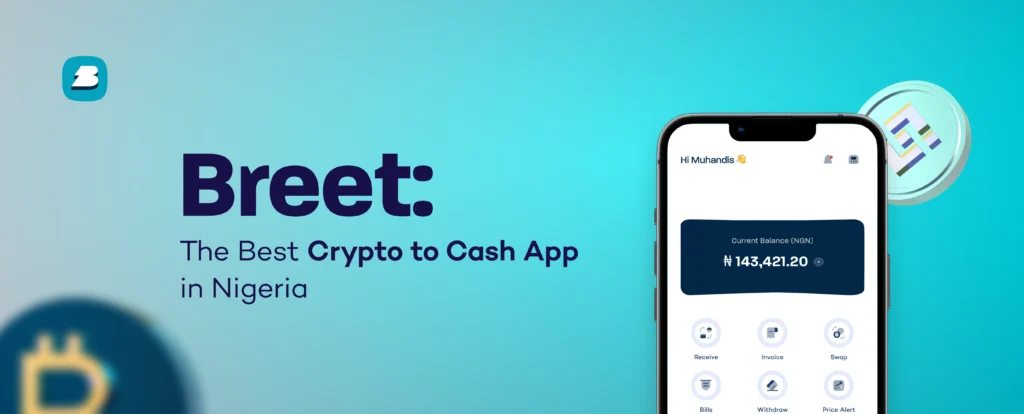
If you’ve ever struggled with finding a platform that understands how crypto fits into the daily life of a user in Nigeria or Ghana, Breet is the answer.
Unlike traditional exchanges that leave users unsatisfied and confused, Breet simplifies the process from start to finish. Once you receive crypto, it automatically converts it to your local currency or to USD, so you never have to stress about price fluctuations.
2. Binance
As the world’s largest crypto exchange by trading volume, Binance offers a custodial wallet integrated directly into its trading app.
For beginners, this means you don’t need to switch between platforms, your wallet, trading interface, and conversion tools are all in one place.
In 2025, Binance continues to expand its security infrastructure, offering features two-factor authentication, and withdrawal whitelisting.
However, due to multiple regulatory restrictions, it does not operate in certain regions.
Related:
- Binance P2P in Nigeria: Top 7 Alternatives
3. Coinbase
Coinbase has built its reputation on trust, simplicity, and regulatory compliance, making it a good choice for beginners. Its custodial wallet is known for its clean interface and transparent operations.
In 2025, Coinbase maintains full regulatory licensing in the US, UK, and Europe, meaning users benefit from institutional-level protection and oversight. Features like instant crypto purchases, recurring buys, and auto-conversion to stablecoins make managing your portfolio easy.
Coinbase also offers educational resources, so if you’re new to the crypto space, it’s one of the easiest places to start understanding crypto safely.
Related
- The Best 7 Coinbase Alternatives
4. OKX
OKX combines traditional custodial security with decentralised options. It’s best suited for beginners who plan to evolve into more advanced users.
Its custodial wallet offers cross-chain compatibility, meaning you can hold multiple tokens across various blockchains without worrying about manual network settings.
In 2025, OKX expanded its institutional-grade custody system, offering stronger protection through multi-party computation that ensures no single entity ever controls your private key.
Related:
5. Crypto.com
Crypto.com offers one of the most versatile custodial wallets in 2025. It combines ease of use with features like crypto debit cards and cashback rewards, making it appealing for beginners.
Through its custodial wallet, users can buy, store, convert, and spend crypto directly through its app, with automatic fiat conversions in supported countries.
6. Luno
Luno remains one of the most beginner-friendly custodial wallets in 2025. It allows users to buy, sell, and store cryptocurrencies like Bitcoin and Ethereum directly from their phones.
Luno supports deposits and withdrawals in several currencies, making it easy for users to move funds between crypto and their bank accounts.
Related:
7. BitGo
BitGo is one of the oldest and most trusted custodial wallet providers, widely used by institutions and crypto businesses.
The wallet uses multi-signature security, meaning that transactions require approval from multiple keys before execution, reducing the risk of theft or unauthorised access.
Though it’s not the simplest option for beginners, BitGo is best for anyone looking for safety and long-term peace of mind in how their crypto is stored.
Why Breet Custodial Wallet Stands Out
At Breet, we believe in making crypto simple, practical, and accessible for everyday users, especially in Africa.
As part of that mission, Breet’s custodial wallet approach is designed to give you control over your assets.
Here’s how Breet’s custodial wallet works, and why it might be the perfect choice for you:
1. Automatic Crypto-to-Cash Conversion
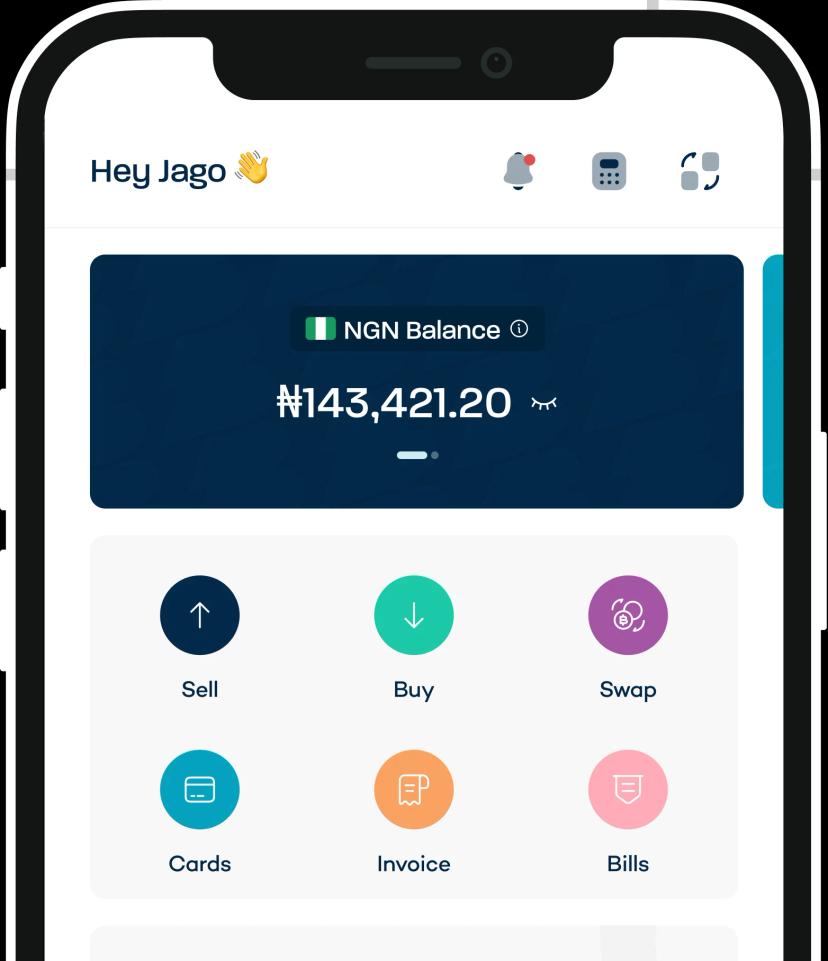
When you receive crypto into your Breet wallet, you can choose to have it automatically converted to NGN, GHS or USD. This takes out the need to manually trade or navigate P2P markets.
2. USD Wallet Option
With Breet’s newer update, you can hold funds in USD. Rather than having to convert directly into local currency, you’re given the option to store value in a more stable currency.
3. Internal Breet Transfers
You can send crypto or value to other Breet users instantly. No need to transfer funds through external wallets for every P2P transaction, making it ideal for freelancers, businesses, and traders.
4. Smart and Flexible Invoicing
Breet supports crypto invoicing, allowing you to bill clients in crypto and choose whether you receive in local fiat or USD.
5. Security & Trust
While Breet manages the keys, it does so with a strong commitment to security. Your crypto lives in custody but with high-grade infrastructure, helping you avoid the mistakes many beginners make with seed phrases.
6. User-Friendly Recovery
If you ever lose access to your account login, Breet’s support and account recovery features make it easier to regain control and access to your account.
Popular:
Frequently Asked Questions on Custodial Wallets
Is a Custodial Wallet safe for beginners?
Yes, custodial wallets are safer options for beginners because the provider holds your private keys, and many custodians use strong security measures.
Do I own my Crypto if I use a Custodial Wallet?
You “own” your account balance, the crypto is on-chain, but you do not control the private keys directly. The custodian manages the keys, which means they ultimately handle transaction signing.
Can I Switch from a Custodial Wallet to a Non-custodial Wallet later?
Yes, in almost all cases, you can withdraw your crypto from a custodial wallet into a non-custodial wallet. It’s a common path for users who start with ease and later want more control.
What happens if the Custodian is Hacked or goes Insolvent?
Good custodial providers often have insurance and strong security. However, in a worse case of insolvency without enough backing or insurance, users could face losses. That’s why using reputable custodians matters.
Are Custodial Wallets Regulated?
Some custodians are regulated companies, which must follow financial rules in their specific regions. But not all custodial wallets are equally regulated; check the provider’s license and regulatory status before depositing large amounts.
Conclusion
In 2025, the conversation around crypto isn’t just about owning coins anymore, it’s about using them. Custodial wallets have become the channel for millions of new users to safely explore crypto without stress.
Platforms like Breet are making a change by simplifying crypto access, and transforming digital assets into everyday funds.
Whether through instant crypto-to-fiat conversion, USD wallets, or automated withdrawals, Breet and similar platforms are shaping a more inclusive financial future for everyone.
As the crypto space matures, the question is no longer “should I use crypto?” but “how do I use it safely and simply?”