- Zengo Wallet Review:Features, Security & How It Works
- Features of Zengo Wallet
- Is Zengo Wallet Available in Nigeria? Supported Coins, Fees & Naira Access
- Zengo Wallet Pros and Cons for Nigerian Users
- Top Zengo Wallet Alternatives in Nigeria (2026)
- Frequently Asked Questions (FAQs) About Zengo Wallet
Did you know that choosing the right crypto wallet is one of the most important decisions any crypto user can make?
A reliable wallet keeps your digital assets secure, gives you control over your private keys, and should be easy to use for sending, receiving, or storing cryptocurrencies.
Zengo Wallet has quickly become a popular choice because it promises advanced security without the typical hassles of traditional wallets. But is it truly the best option for Nigerian crypto holders?
In this review, we’ll take a close look at Zengo Wallet, explore its features and limitations, and compare it with top alternatives available in Nigeria today.
Related:
- Binance P2P in Nigeria: Top 7 Alternatives
Zengo Wallet Review:Features, Security & How It Works
Zengo wallet is a non-custodial cryptocurrency wallet designed to make storing and managing digital assets simple, safe, and user-friendly. It combines modern security technology with an intuitive mobile app, making it ideal for both beginners and experienced crypto users.
Features of Zengo Wallet
Below are some key features of Zengo Wallet:
1. Advanced Security with Multi-Party Computation (MPC)
One of Zengo’s standout features is its use of Multi-Party Computation (MPC) for securing private keys. Instead of storing a single seed phrase or private key, Zengo breaks the key into multiple parts that are held separately. Most crypto wallets give you a 12- or 24-word recovery phrase.
If you lose it, your funds are gone.
If someone steals it, they control your wallet. Zengo removes this risk by splitting your private key into two parts. One part is stored on your device while the other part is stored securely on Zengo’s servers.
This means no single point of failure and a much lower risk of hacks or key theft.
2. Supported Cryptocurrencies
Zengo supports a wide range of popular cryptocurrencies and tokens, making it a versatile choice for Nigerian crypto users.
While the exact assets supported can change over time, Zengo typically includes major coins like: Bitcoin (BTC), Ether (ETH), Binance Coin (BNB), Polygon (MATIC) and various ERC-20 and BEP-20 tokens.
This broad support allows users to store and manage multiple assets in a single wallet without needing separate applications.
3. Non-Custodial Setup: No Seed Phrase Needed
Unlike many traditional wallets, Zengo is fully non-custodial, which means you control your private keys but without the usual seed phrase. Instead of memorizing or storing long recovery phrases, Zengo uses secure alternatives that protect your keys using modern cryptography.
This approach makes the wallet more user-friendly, especially for people new to crypto who may find seed phrases intimidating or easy to lose.
4. Biometric Security & Recovery System
Zengo takes user security further with built-in biometric authentication. You can unlock your wallet using your fingerprint or face ID on supported devices.
This adds an extra layer of protection against unauthorized access. For account recovery, Zengo uses a modern process that doesn’t rely on seed phrases.
Instead, it uses secure recovery methods that may include linked devices and identity verification. This system helps ensure that even if you lose your phone, you can still regain access to your wallet in a secure way.
5. Mobile App Availability (iOS & Android)
Zengo Wallet is primarily a mobile-first wallet, available for both iOS and Android devices. The app is designed with a clean interface for easy navigation, making it suitable for beginners and experienced traders alike.
From the app, users can send, receive, swap assets, and view transaction history all in one place.
Having a mobile wallet means you have full access to your crypto on the go, a convenience that many Nigerian users appreciate as crypto adoption grows across smartphones.
6. Fees and Transaction Costs of Zengo Wallet
While Zengo itself does not charge a monthly fee to hold or manage your wallet, users may encounter network fees when sending or swapping cryptocurrencies. These fees are standard on most blockchain networks and are not unique to Zengo.
For swaps conducted within the Zengo Wallet, there may be exchange fees or spreads, depending on the liquidity and market conditions at the time of the trade.
It’s important for users to review any fee disclosures within the app before completing a swap, as fees can vary by asset and network load.
Read Also:
- USDT TRC20 Contract Address: What is it & How to Find it?
Is Zengo Wallet Available in Nigeria? Supported Coins, Fees & Naira Access
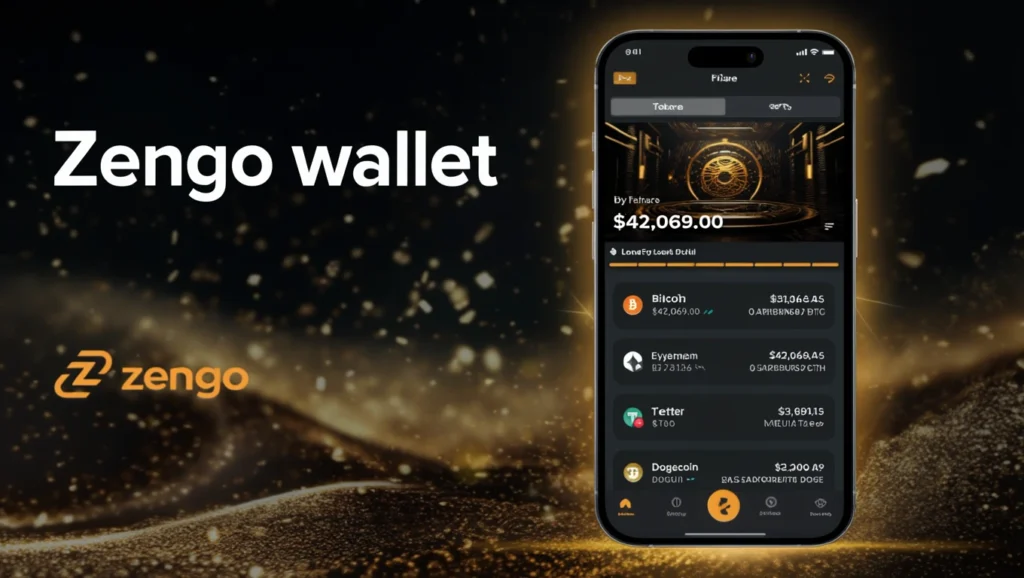
Can Nigerians use Zengo? The simple answer is yes. Zengo Wallet is available for download in Nigeria on both Android and iOS devices. As a Nigerian, you can install the app, create an account, and securely store supported cryptocurrencies without restrictions based on location.
However, availability does not automatically mean full local integration. While Zengo Nigeria users can access the wallet’s core features, there are important limitations when it comes to naira support and direct crypto purchases. Let’s break it down further:
Does Zengo Support Naira (NGN)?
Zengo Wallet does not function as a naira crypto wallet. This means you cannot deposit Nigerian naira (NGN) directly into the app. There is no built-in option to fund your wallet using Nigerian bank transfers or local debit cards.
As a result, Nigerians cannot directly buy crypto in Nigeria using naira inside the Zengo app itself. Instead, users must first purchase cryptocurrency through a third-party platform like Breet and then transfer it to their Zengo wallet address.
Withdrawal and Conversion Limitations of Zengo Wallet
Zengo allows you to send crypto to other wallets at any time, subject to standard blockchain network fees. However, it does not provide direct crypto-to-naira withdrawals.
If you want to convert your crypto back to cash, you will need to send it to a local exchange like Breet that supports naira withdrawals.
This additional step is important for Nigerian users to consider, especially if frequent conversions between crypto and naira are part of your strategy.
Zengo Wallet Pros and Cons for Nigerian Users
When choosing the best crypto wallet in Nigeria, understanding the strengths and weaknesses of your options helps you make better decisions. Below is a clear breakdown of Zengo wallet pros and cons, especially for users in Nigeria. We’ve also compared it briefly to alternatives like Trust Wallet to help with smart choice-making.
Advantages of Zengo Wallet
1. Strong Security with MPC Technology
Zengo uses Multi-Party Computation (MPC) instead of traditional seed phrases.
This means your private key is split and secured in multiple parts. There is no central key that can be stolen or lost, making it far safer than many wallets.
Security benefits include reduced risk of hacks, no long seed phrase to lose and biometric login (fingerprint/face unlock) amongst others. This security-first model is a major Zengo wallet pro, especially for Nigerians storing valuable assets long-term.
2. User-Friendly and Simple to Use
Zengo’s interface is intuitive, clean, and beginner-friendly. You won’t feel overwhelmed by complex menus, making it easier to send, receive, or swap crypto.
If you compare Zengo vs Trust Wallet, Trust Wallet offers more features, but Zengo’s simplicity is ideal for new crypto users.
3. No Seed Phrase to Remember or Store
Unlike most wallets, Zengo does not rely on a 12- or 24-word seed phrase. Instead, it uses alternative recovery methods that reduce user error risk. For beginners or casual holders, this is a significant advantage.
4. Mobile Access (iOS & Android)
Zengo is available as a mobile app on both Android and iOS. For crypto users in Nigeria who rely heavily on smartphones, this mobile access makes management easy and accessible anytime.
Top Picks:
- Does Trust Wallet Work in Nigeria? (2026 Update)
- How to Withdraw from Trust Wallet to Nigerian Bank Account
- How to Add USDT TRC20 to Trust Wallet, in Minutes
Limitations of Zengo Wallet for Nigerian Users
1. Fees and Network Costs
While Zengo does not charge monthly fees, users pay standard network fees for sending or swapping crypto. These are blockchain costs, not Zengo fees, but they still affect the total cost of transactions.
2. Limited DeFi and Advanced Features
Compared with wallets like Trust Wallet, which support a wide range of DeFi dApps and DEX integrations, Zengo’s DeFi access is more limited. If you’re an advanced trader who wants yield farming, staking, or connected dApp functionality, Zengo may feel restrictive.
3. No Local Currency Suport (NGN)
Zengo does not natively support NGN (Naira) funding or in-app Naira card purchases. Nigerians must use third-party exchanges or P2P services to get crypto, making the onboarding process less convenient. This is one of the bigger Zengo wallet cons when compared to wallets that integrate with local Nigerian exchanges more easily.
Top Zengo Wallet Alternatives in Nigeria (2026)
If you are exploring Zengo wallet alternatives and searching for the best crypto wallet in Nigeria, it is important to understand what each wallet does before comparing features, fees, and availability.
Below is a clear breakdown of top Zengo wallet alternatives Nigerian users can consider in 2026.
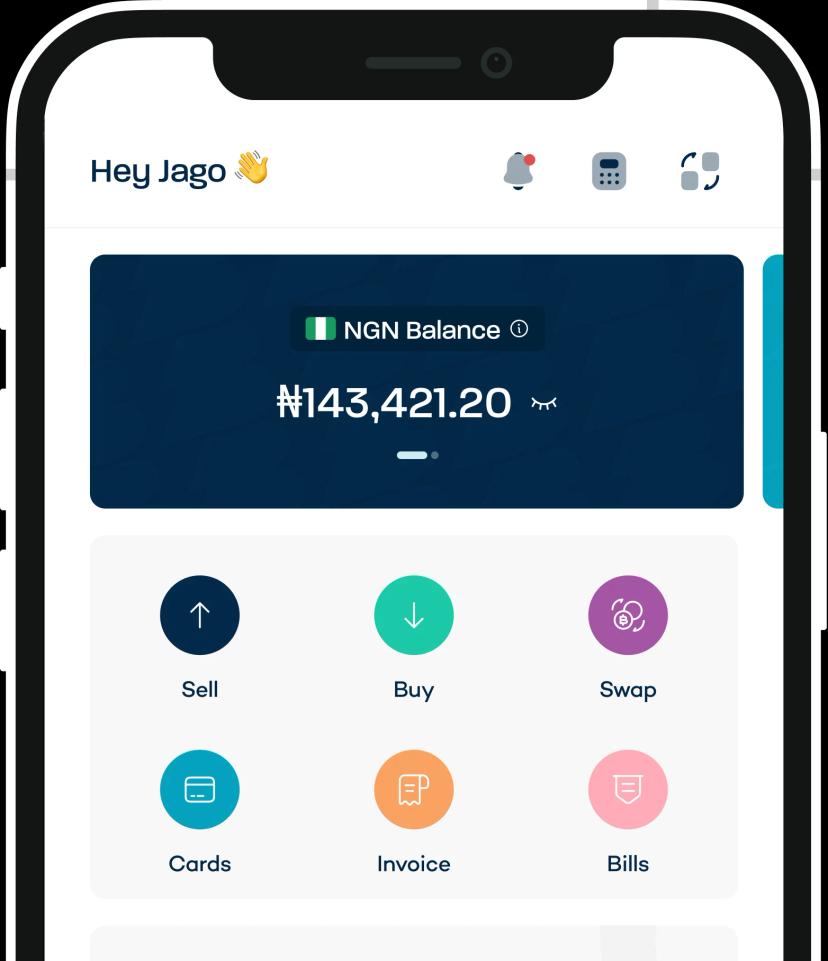
1. Breet Wallet: Buy & Sell Crypto Easily in Nigeria
Breet Wallet is a African-focused crypto wallet designed to make buying, selling and crypto-to-cash conversion simple.
Unlike many global wallets, Breet is built with local users in mind, offering direct naira integration for fast transactions.
Breet is best for Nigerians and Ghanaians who want a simple way to buy and sell crypto with naira.
While you can convert several crypto assets to cash on Breet, the platform only supports buying of stablecoins like USDT and USDC at the time of writing.
Key Features:
- Direct NGN (naira) deposits and withdrawals
- Instant crypto-to-cash conversion
- Beginner-friendly interface
- Supports major cryptocurrencies
- Buy stablecoin feature
- 24/7 customer support
- Instant crypto conversion and purchase; 287 seconds or less
Fees:
- Transparent spreads on buy/sell transactions
- No hidden maintenance fees
- Standard blockchain network fees for transfers
Cons:
- Fewer supported assets compared to global wallets
2. Trust Wallet: Best for DeFi Access
Trust Wallet is a globally popular non-custodial wallet that gives users full control of their private keys. It is widely used for storing crypto and accessing decentralized finance (DeFi) platforms.
Available for Nigerian users without restrictions, it is best for users seeking strong DeFi functionality and wide token support.
Key Features:
- Supports thousands of cryptocurrencies
- Built-in Web3 browser for DApps
- Crypto staking support
- Multi-chain compatibility
Fees:
- Free to download and use
- Network fees apply on transactions and swaps
Pros:
- Strong DeFi and DApp access
- Large asset support
- Fully non-custodial
Cons:
- Requires secure seed phrase storage
- No built-in naira wallet feature
3. MetaMask: Best for Web3 Users
MetaMask is a leading Web3 wallet used for interacting with applications on Ethereum and several other chains. Notably, MetaMask rolled out support for the Solana blockchain in 2025.
It is popular among developers, non-fungible token (NFT) traders, and DeFi enthusiasts. Notably, MetaMask is best for advanced users focused on Web3 and decentralized applications.
Key Features:
- Browser extension and mobile app
- Custom network configuration
- NFT support
- Seamless DApp integration
Fees
- Free wallet setup
- Network (gas) fees apply when interacting with blockchains
Pros
- Excellent for Web3, NFTs, and smart contracts
- Flexible network customization
- Highly trusted in the crypto community
Cons
- No direct naira integration
Related:
- How to Add USDT to MetaMask Easily (2026 Guide)
3. OKX Wallet: Best for Exchange Integration
OKX Wallet is a multi-chain wallet connected to the OKX exchange ecosystem. It allows users to manage assets while benefiting from exchange integration.
Key Features:
- Multi-chain asset support
- Direct connection to OKX exchange
- Crypto staking and NFT features
- Cross-platform availability
Fees:
- No wallet subscription fees
- Trading fees apply when using OKX exchange
- Network fees on transfers
Pros:
- Smooth transfer between wallet and exchange
- Strong multi-chain support
- Useful for active traders
Cons:
- Less independent compared to standalone wallets
- Limited local naira integration
4. Ledger: Best Hardware Wallet Option
Ledger is a hardware wallet designed for cold storage.
Unlike mobile wallets, Ledger stores private keys offline, providing maximum security against online threats. It is available for purchase in Nigeria through official retailers and online stores. Moreover, Ledger is best for long-term holders prioritizing maximum security.
Key Features:
- Offline key storage
- Supports thousands of cryptocurrencies
- Compatible with Ledger Live app
- Works with MetaMask and other wallets
Fees:
- One-time device purchase cost
- Network fees for blockchain transactions
Pros:
- Extremely secure (cold storage)
- Ideal for long-term holdings
- Works with multiple software wallets
Cons
- Higher upfront cost
- Less convenient for daily trading
Don’t Miss:
- Top 13 Crypto Exchanges in Nigeria
- 9 Best Crypto OTC Trading Platforms
Frequently Asked Questions (FAQs) About Zengo Wallet
Can Nigerians Use Zengo?
Yes, Zengo is available in Nigeria and can be downloaded on both Android and iOS devices. It is accessible in over 180 countries worldwide, with only a few restricted regions. Nigerian users can create an account, store crypto, and use most wallet features without restrictions.
Can I Transfer Money From Zengo to a Bank Account?
Zengo allows users to sell crypto and withdraw funds to a bank account through its third-party partners. However, direct local bank withdrawals may depend on your region and the payment provider used. In many cases, users convert crypto to fiat first, then receive funds via supported methods like bank transfer or payment services.
Is Zengo Wallet Safe To Use?
Yes, Zengo wallet is considered safe due to its Multi-Party Computation (MPC) security model. Unlike traditional wallets, it does not rely on a seed phrase, which reduces the risk of losing funds due to misplaced recovery words. However, users must still secure their devices and enable biometric protection for maximum safety.
Which Country Uses Zengo Wallet?
Zengo is a global crypto wallet used in over 180 countries, including regions in Europe, North America, Africa, and Asia. It is not limited to one country and is designed for international users who want to buy, store, send, and manage cryptocurrencies securely.
How Much Can You Withdraw From Zengo?
Withdrawal limits on Zengo are not fixed and depend on third-party providers, payment methods, and your location. Different partners may have different transaction caps, so limits can vary from one transaction to another. Users can often switch providers within the app if they need higher limits.
What Is the Minimum Deposit for Zengo Wallet?
Zengo itself does not enforce strict minimum deposit limits for holding or sending crypto. However, when buying crypto through its partners, the minimum purchase amount is typically around $50, depending on the provider and region.
Can Nigerians Buy Crypto Directly With Zengo?
Nigerians can use Zengo’s in-app purchase feature through third-party providers. However, naira (NGN) is not directly supported, and Nigerian bank cards may sometimes face restrictions. Many users prefer buying crypto elsewhere and transferring it to Zengo.
Does Zengo Support Naira Withdrawals?
No, Zengo does not support direct naira withdrawals. To convert crypto to cash in Nigeria, users must transfer their assets to a crypto-to-cash platform like Breet that supports NGN bank payouts.
Is Zengo Good for Beginners?
Yes, Zengo is beginner-friendly. Its seedless setup, biometric login, and clean mobile interface make it easy for first-time crypto users to manage their assets without worrying about losing recovery phrases.
What is the Best Zengo Alternative in Nigeria?
The best alternative depends on your goal. If you need direct crypto-to-naira conversion, Breet is more practical for Nigerian users. If you want broader DeFi access, Trust Wallet or MetaMask may be better options. For long-term cold storage, a hardware wallet like Ledger is ideal.