- Does Trust Wallet Work in Nigeria? The Short Answer
- Key Limitations of Using Trust Wallet in Nigeria
- Why Trust Wallet Doesn’t Fully Support Nigerian Users
- Workarounds Nigerians Use for Trust Wallet
- Better Alternatives for Nigerian Users
- Conclusion
- Frequently Asked Questions (FAQs) on Does Trust Wallet Work in Nigeria?
If you’re into crypto in Nigeria, you’ve probably come across Trust Wallet. Now, there’s a common question many beginners ask, which is, ‘does Trust Wallet work in Nigeria?’
The short answer is yes. Trust Wallet works perfectly in Nigeria, and many people use it to store, send, and receive cryptocurrencies like Bitcoin, Ethereum, and USDT.
Unlike centralized exchanges, Trust Wallet is a non-custodial crypto wallet, which means you control your private keys and funds without depending on a bank or platform.
This makes it really useful in Nigeria, where many people prefer decentralized wallets for security and flexibility.
In this guide, you’ll learn how Trust Wallet works in Nigeria, if it’s safe to use, and what Nigerians should know before using it.
Related:
Does Trust Wallet Work in Nigeria? The Short Answer
Yes, Trust Wallet works in Nigeria. You can download the app, create a wallet, and use it to store, send, and receive cryptocurrencies without any restrictions.
However, Trust Wallet does not support direct Naira transactions. You cannot buy cryptocurrency with Nigerian bank cards or withdraw funds directly to a Nigerian bank account from inside the wallet.
Trust Wallet is available on both Android and iOS, and Nigerian users can freely install and use it to manage cryptocurrencies like Bitcoin, Ethereum, and USDT directly from their mobile devices.
That said, the app functions strictly as a non-custodial crypto wallet, not a crypto exchange or banking platform. This means Trust Wallet does not process payments, hold user funds, or connect directly to local banking systems.
Instead, it simply allows users to securely store their private keys and interact with blockchain networks.
Because of this structure, most financial actions, such as buying crypto with fiat currency or converting crypto back to cash, depend on third-party services connected to the wallet, including payment providers, decentralized applications (dApps), and external exchanges.
As a result, while Trust Wallet itself works in Nigeria, features involving local currency like the Nigerian Naira depend on external platforms rather than the wallet itself.
Key Limitations of Using Trust Wallet in Nigeria
While Trust Wallet works in Nigeria, there are a few challenges Nigerian users should be aware of. Most of these limitations come from the fact that Trust Wallet is a non-custodial wallet.
Here are some of the main Trust Wallet Nigeria restrictions users often encounter.
1. No Direct Naira (NGN) Support
Trust Wallet does not currently support the Nigerian naira (NGN) as a native currency for deposits or withdrawals. This means you cannot directly fund your wallet using naira or withdraw crypto to your bank account from within the app.
Instead, Nigerian users usually need to move their crypto to another platform before converting it to local currency.
2. Card Purchases Often Fail in Nigeria
Trust Wallet allows users to buy crypto using third-party providers. However, card payments from Nigerian banks frequently fail or get declined.
This happens because many Nigerian banks still place restrictions on crypto card transactions, making it difficult to purchase crypto directly inside the wallet.
3. Limited Access to Fiat On-Ramps
Fiat on-ramps are services that let you convert local money into cryptocurrency. While Trust Wallet integrates with several global providers, not all of them support Nigeria.
As a result, Nigerian users often find fewer payment options compared to users in regions like Europe or North America.
4. Difficulties Converting Crypto to Local Bank Money
Another challenge is converting crypto stored in Trust Wallet into cash in a Nigerian bank account. The wallet does not provide a built-in off-ramp, so you need to transfer your assets to an exchange or crypto service that supports withdrawals to local banks.
5. Higher Fees From Third-Party Providers
When buying crypto through the payment providers integrated into Trust Wallet, you may also encounter higher fees. These fees usually include service charges, network fees, and currency conversion costs.
For Nigerian users, the combined cost can sometimes be significantly higher than using local crypto platforms.
Related:
Why Trust Wallet Doesn’t Fully Support Nigerian Users
If you’ve tried using Trust Wallet in Nigeria and noticed some features don’t work well, you’re not alone. The limitations Nigerian users experience are not necessarily caused by the wallet itself, but by larger regulatory and financial system factors affecting crypto services in the country.
Understanding these factors helps explain many of the restrictions users face today.
1. Nigeria’s Banking Restrictions on Crypto Transactions
One of the biggest reasons behind these limitations is Nigeria’s cryptocurrency regulations.
In recent years, Nigerian regulators have taken a cautious approach to crypto. Banks have previously been restricted from directly supporting cryptocurrency transactions, which means many global crypto payment services cannot easily integrate Nigerian bank cards or bank transfers.
Users often experience declined payments or unavailable purchase options when trying to buy crypto through wallets like Trust Wallet.
Related:
2. Dependence on Third-Party Payment Providers
Trust Wallet itself does not process payments. Instead, it relies on third-party providers, or other global on-ramp services to handle crypto purchases.
These companies decide which countries they support based on regulatory risk, payment infrastructure, and fraud protection systems. If a provider limits Nigeria, those restrictions automatically apply inside Trust Wallet as well.
This is why the buy crypto feature sometimes works in other countries but fails for Nigerian users.
3. Regulatory Uncertainty
Another major factor is ongoing regulatory uncertainty around crypto in Nigeria.
Although cryptocurrency adoption in Nigeria is widespread, regulations have evolved over time and continue to change. Global companies often move cautiously in markets where policies are still developing.
As a result, some services limit certain features until the regulatory environment becomes clearer and more stable.
4. Regional Payment Infrastructure Limitations
Payment infrastructure also plays a role. Many international payment gateways are optimized for cards and financial networks commonly used in North America and Europe.
Local Nigerian payment methods such as bank transfers, mobile banking systems, or domestic card networks are not always integrated into these global systems.
This gap can make it harder for Nigerian users to access seamless fiat-to-crypto services directly within international wallets.
5. Global Wallet Services Prioritizing Larger Markets
Finally, many crypto wallet providers prioritize markets with larger payment ecosystems and regulatory clarity when rolling out new features.
Countries with well established crypto regulations and strong card payment networks often receive new integrations first. Emerging markets like Nigeria sometimes receive full support later, even though crypto adoption in the country is very high.
Read Also:
Workarounds Nigerians Use for Trust Wallet
Even with some limitations, many Nigerians still actively use Trust Wallet. Over time, users have developed practical ways to work around the restrictions and still manage their crypto smoothly.
If you’ve ever wondered how Nigerians use Trust Wallet, these are some of the most common methods.
1. Buying Crypto Through Exchanges and Transferring to Trust Wallet
One of the most common approaches is to buy through crypto exchanges first, then move it to Trust Wallet for storage.
Here’s how it typically works:
- A user buys USDT or another cryptocurrency from a crypto platform (e.g. Breet) using bank transfer.
- Once the crypto is received on the exchange wallet, they transfer it to their Trust Wallet address.
- From there, the funds can be stored securely or used for other crypto activities.
This method allows users to bypass the card payment restrictions often encountered within the wallet itself.
However, if the goal is purely storage, then it is even more advisable to use the platform that helped you with the purchase rather than transferring it to Trust wallet again.
2. Receiving USDT Directly From Other Wallets
Another simple workaround is receiving crypto directly from another wallet. For example, someone can send USDT or other tokens straight to your Trust Wallet address. This is common for:
- Freelancers receiving international payments
- Crypto traders transferring funds between wallets
- Friends or family sending crypto payments
Since blockchain transfers do not rely on local banks, this method works smoothly in Nigeria.
3. Connecting Trust Wallet to DeFi Platforms
Trust Wallet also allows users to connect to decentralized finance (DeFi) platforms through its built-in browser or wallet connections.
This means Nigerians can still:
- Swap tokens on decentralized exchanges
- Stake certain cryptocurrencies
- Access blockchain based financial tools
DeFi platforms operate directly on blockchain networks, so they usually do not require traditional banking integration.
Related:
- What is Staking in Crypto? Beginner’s Complete Guide
4. Using Crypto Swaps and Bridges
Some users also take advantage of token swaps or cross-chain bridges to move assets between different blockchain networks.
For example, someone might swap tokens inside Trust Wallet or move assets between networks to take advantage of lower fees or different platforms.
This flexibility is one of the reasons Trust Wallet remains popular among crypto users in Nigeria.
Risks to Be Aware Of When Using Trust Wallet
While these workarounds are common, they do come with some risks. Users should always be careful when:
- Choosing P2P trading partners
- Sending funds to the correct wallet address
- Interacting with unfamiliar decentralized applications
Crypto transactions are usually irreversible, so mistakes can lead to permanent loss of funds.
For You:
Better Alternatives for Nigerian Users
While Trust Wallet is a powerful tool for storing and managing crypto, it isn’t always the most practical option if your main goal is buying, selling, or converting crypto to naira easily.
Because of the limitations discussed earlier, many Nigerian users combine Trust Wallet with other platforms that provide better fiat support and easier crypto-to-naira transactions.
If you’re looking for Trust Wallet alternatives in Nigeria, here are some options that may work better depending on what you want to do.
1. Platforms With Better Fiat On-Ramps and Off-Ramps
Some crypto services are designed specifically to help users convert cryptocurrency to local currency quickly. These platforms focus less on storage and more on easy transactions between crypto and bank accounts.
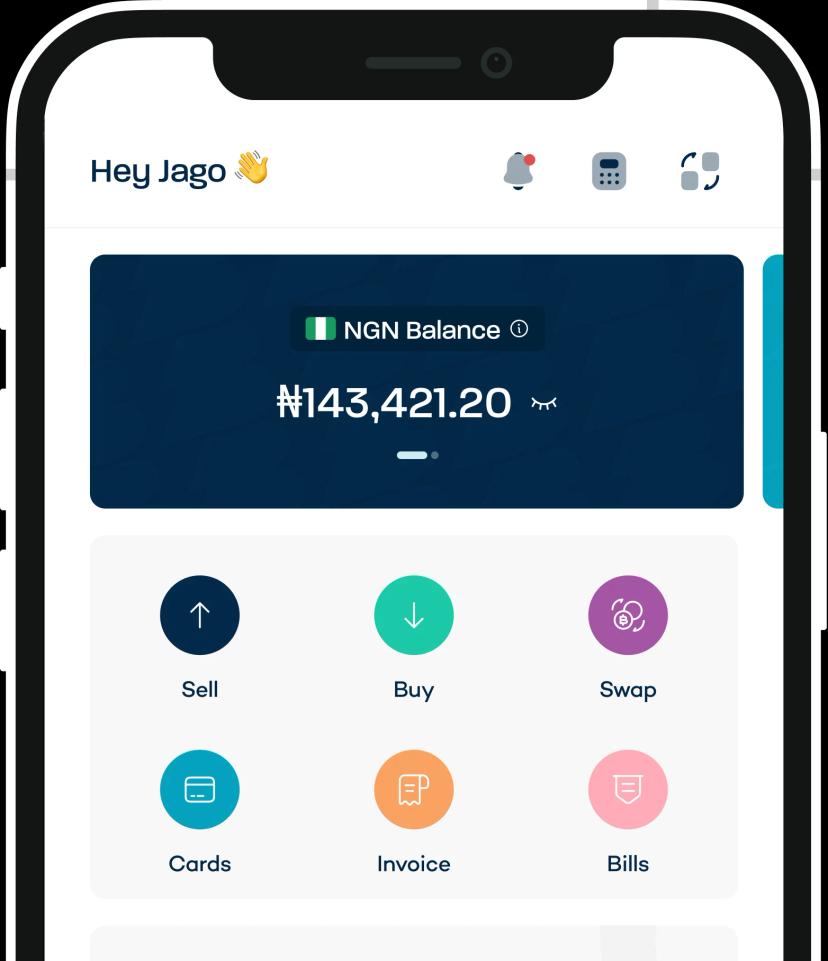
For example, Breet allows you to sell supported cryptocurrencies and receive direct bank payouts in naira within 287 seconds. The process is usually simplified into a few steps:
- Send crypto to the platform’s wallet address
- The crypto is automatically converted
- Naira is sent to your bank account
For many Nigerian users, this type of system is much easier when the goal is turning crypto into spendable money quickly.
2. Platforms With NGN-Friendly Transactions
Another alternative is using platforms that support local payment methods and naira transactions. These platforms often offer:
- Local bank transfer options
- Nigerian-friendly payment providers
- Faster processing for crypto sales
Since they are built with the Nigerian market in mind, the user experience is often smoother compared to global wallets that depend heavily on international payment gateways.
When Trust Wallet Still Makes Sense:
Despite the limitations, Trust Wallet still has an important role for many users. It can be a good option if you want to:
- Store crypto securely with full control of your private keys
- Access decentralized apps and DeFi platforms
- Manage multiple blockchain assets in one place
- Swap tokens across different networks
In other words, Trust Wallet works best as a self-custody wallet, not necessarily as a platform for buying or selling crypto directly.
When Trust Wallet May Not Be the Best Option
If your primary goal is to:
- Buy crypto using naira
- Sell crypto and withdraw directly to your bank account
- Trade easily with local payment methods
Then using a crypto service like Breet designed for Nigerian transactions may be the more practical choice.
Don’t Miss:
- Crypto News in Nigeria Today
- The Best 13 Crypto Apps in Nigeria, by User Ratings
Conclusion
Now, the question surrounding if Trust Wallet works in Nigeria has been clearly answered. Nigerians can download the wallet, store crypto, send and receive tokens, and connect to decentralized apps without restrictions.
However, the real challenge isn’t access, it’s usability within the Nigerian financial system.
Because Trust Wallet is a non-custodial wallet, it doesn’t directly support naira payments, local bank withdrawals, or built-in P2P trading. This means Nigerian users often need to rely on external platforms or workarounds to buy crypto or convert it to cash.
For many people, the best approach is to use Trust Wallet for storage and DeFi activities, while using services like Breet when they need to convert crypto to naira.
Frequently Asked Questions (FAQs) on Does Trust Wallet Work in Nigeria?
Can Nigerians Buy Crypto Directly on Trust Wallet?
In many cases, buying crypto directly inside Trust Wallet may fail for Nigerian users, especially when using local debit cards.
This happens because the wallet relies on international payment providers that may not fully support Nigerian banking systems.
Can I Withdraw Money from Trust Wallet to my Nigerian Bank Account?
No, Trust Wallet does not support direct withdrawals to Nigerian bank accounts.
To convert crypto into naira, users usually need to send their funds to a platform that supports crypto-to-naira conversion, such as Breet, or use P2P trading services.
Is Trust Wallet Safe to Use in Nigeria?
Yes, Trust Wallet is generally considered safe because it is a non-custodial wallet. This means you control your private keys and your funds are not held by a centralized company.
However, users must protect their recovery phrase and wallet credentials, since losing them can result in permanent loss of access to funds.
What Cryptocurrencies can Nigerians Store in Trust Wallet?
Nigerian users can store thousands of cryptocurrencies in Trust Wallet, including Bitcoin (BTC), Ethereum (ETH), Tether (USDT), BNB, many ERC-20, TRC-20, and BEP-20 tokens
The wallet supports multiple blockchain networks, making it a versatile option for managing different digital assets.