
You have the naira. What you need is a site that will accept it, and plenty of popular crypto platforms won’t. Some have no naira deposit at all. Others hand you a stranger’s account number and call it a payment method.
A good site does three things:
- It accepts naira directly (or says plainly when it can’t)
- Shows the exact amount you’ll receive before you pay
- And it sends the crypto to a wallet you choose.
This guide ranks seven sites by how little stands between your naira and your crypto. It covers buying only. Cashing out is a different job.
We start with Breet, our own conversion platform, and explain how users use it to:
- Buy USDT or USDC from a $10 minimum
- See the exact naira amount before confirming
- Send the stablecoins to their Breet wallet or any external wallet address
Ready to skip the seller? Create a Breet account.
How Nigerians Convert Naira to Crypto
Today, fiat-to-crypto conversion in Nigeria happens through several common channels, including:
1. On-Ramp Providers
Some on-ramp platforms act as intermediaries, letting users pay with debit cards or bank transfers and receive crypto directly in their wallets.
2. Crypto Exchanges with Local Support
Some crypto exchanges in Nigeria support Nigerian users with localized services, including P2P markets or integration with local payment systems.
3. Mobile Payment Integrations
With the growth of fintech in Nigeria, some platforms now integrate mobile-friendly payment options, making transactions faster and more accessible.
7 Best Sites for Fiat to Crypto in Nigeria
1. Breet
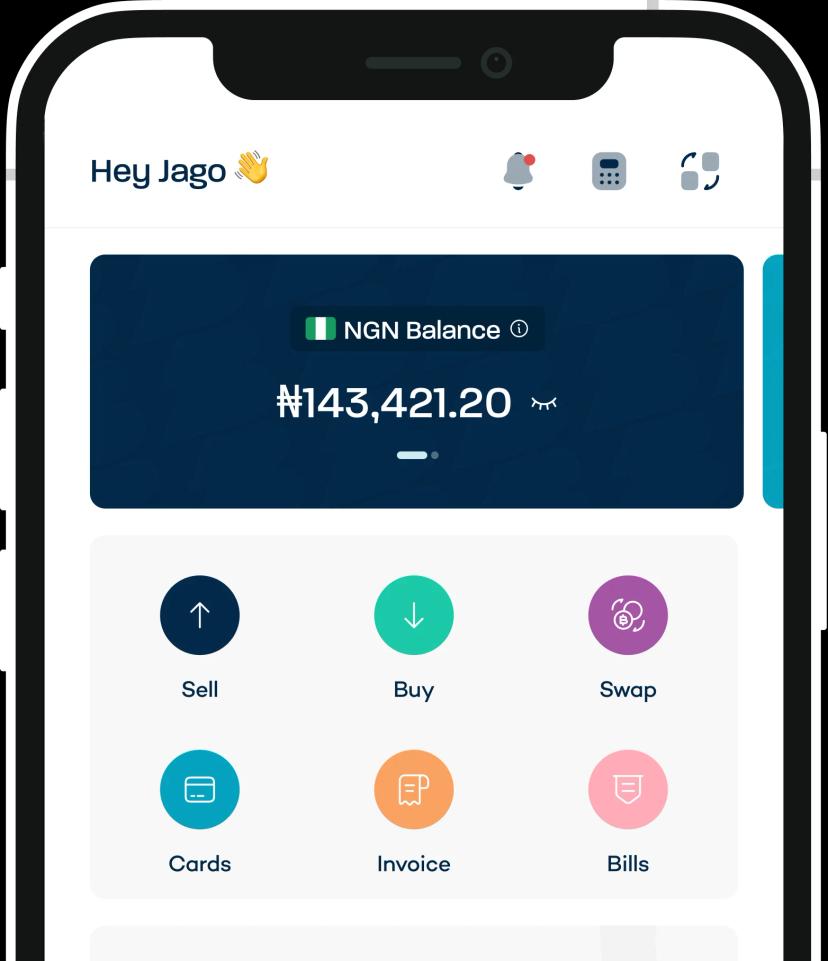
Breet lets you buy crypto by turning naira into USDT or USDC in seconds. Your naira goes to Breet, not to a seller, so the amount you see is the amount you get.
Here is the flow:
- Complete basic KYC (Know Your Customer identity verification).
- Fund your naira wallet with the account number shown in the app.
- Tap Buy, enter the naira amount, and pick USDT or USDC.
- Select the network, then enter a wallet address or scan a QR code.
- Confirm with your OTP and transaction PIN.
Pros:
- Fast transactions (near-instant payouts)
- Beginner-friendly interface
- No need for trading knowledge
Con(s)
- You can only buy Stablecoins on Breet
2. Bybit

Bybit offers a P2P marketplace for Nigerians, allowing users to buy crypto directly with naira. The supported payment methods on the exchange are bank transfer and fintech apps.
Bybit offers low trading fees and supports several cryptocurrencies, including BTC, ETH, USDT, and more
Cons:
- Slow processing time as trades depend on seller response times
- Potential disputes with buyers if payment confirmation isn’t smooth.
3. Gate.io

Gate.io is a feature-rich platform that supports both trading and P2P transactions. It is better suited for users who already understand how crypto exchanges work and want access to advanced tools and a wide range of assets.
Cons:
- Not beginner-friendly
- Complex dashboard
4. Bitget

Bitget combines P2P trading with features like copy trading, which allows users to follow experienced traders. Nigerian users can convert naira to crypto through its P2P marketplace while also exploring trading tools if they want to grow their skills.
Cons:
- Limited fiat integration outside P2P
- Requires learning basic trading
5. Kraken

Kraken is widely respected for its focus on security and transparency. It offers a stable trading environment and supports several cryptocurrencies. However, Nigerian users may find it less convenient due to limited local payment options.
Cons:
- Zero Nigerian payment support
- Not P2P-focused
6. Luno

Luno has built a strong presence in Nigeria over the years by offering a simple and easy-to-use platform. It allows users to buy and sell major cryptocurrencies with minimal complexity, making it a good starting point for beginners.
Cons:
- Limited cryptocurrencies
7. MEXC

MEXC is a global cryptocurrency exchange known for its large selection of altcoins and active trading market.
While it does not offer direct naira deposits, Nigerians can still use MEXC for fiat-to-crypto conversion by first purchasing crypto through its P2P marketplace or local exchanges and then transferring the funds to MEXC for trading.
Once funded, users can access spot trading, futures, and a wide range of tokens that may not be available on other platforms. This makes MEXC a strong option for users looking to explore newer or less common cryptocurrencies.
Cons:
- No direct naira (NGN) deposit or withdrawal support
- Limited local payment integration for Nigerian users
Factors to Consider When Choosing a Fiat to Crypto Platform in Nigeria
Choosing the best platform depends on your needs. Here are key factors to consider:
- Transaction fees: Some platforms charge trading fees, while others use spreads.
- Payment methods: Ensure the platform supports bank transfers or cards in Nigeria.
- Liquidity: Higher liquidity means faster and smoother transactions.
- Security: Always choose platforms with strong reputations and security measures.
- Speed: Some platforms process transactions instantly, while others take longer.
- P2P protection: Platforms with escrow systems reduce the risk of fraud.
Risks and Safety Tips When Converting Fiat to Crypto in Nigeria
While fiat-to-crypto conversion is widely used in Nigeria, it comes with risks. Being aware of these risks can help you avoid costly mistakes.
- P2P scams: Some users may send fake payment alerts. Always confirm funds in your bank account before releasing crypto.
- Use escrow systems: Never trade outside a platform’s escrow protection.
- Verify platforms: Check ratings and transaction history before trading.
- Avoid unknown platforms: Stick to trusted exchanges with strong reputations.
- Secure your wallet: Use strong passwords and enable two-factor authentication.
Conclusion
Fiat-to-crypto conversion in Nigeria has evolved into a flexible system powered largely by P2P trading and global exchanges. While restrictions have shaped how users access crypto, they have also encouraged innovation and adaptability.
Whether you are buying crypto for the first time or actively trading, choosing the right platform can make a significant difference in your experience.
Frequently asked questions
What is fiat-to-crypto conversion?
Fiat-to-crypto conversion is paying with government-issued money, such as naira, to receive crypto like USDT or Bitcoin. The industry calls the buying side an on-ramp and the selling side an off-ramp. This guide covers the on-ramp only, meaning the sites where you start with naira.
Is it legal to buy crypto with naira in Nigeria?
Buying crypto is not banned. The Central Bank of Nigeria reversed its 2021 restriction on December 22, 2023, issuing guidelines that let banks open accounts for licensed virtual asset service providers.
How do I buy Bitcoin with naira in Nigeria?
Use a site that takes naira deposits and sells Bitcoin: Quidax, Busha, Luno, or Roqqu. Fund your account by bank transfer, buy Bitcoin at the quoted rate, then withdraw to your own wallet if you plan to hold it. Breet sells USDT and USDC only, so it won’t work for Bitcoin.
What is the safest way to buy crypto in Nigeria?
Pay a platform directly instead of paying a person. A platform quotes the price, shows fees before you confirm, and has no seller who can delay or dispute the trade. If P2P is your only route, use escrow, check seller completion rates, and never release crypto before confirming the money in your bank account.
How Can I Convert Naira to Bitcoin in Nigeria?
You can convert naira to Bitcoin using crypto platforms or fiat on-ramp services that support Nigerian users.
Which Crypto Platform is Best for Beginners?
Beginner-friendly platforms like Breet are ideal due to their simple interfaces, fast transactions, and ease of use.