NOWPayments supports over 300 cryptocurrencies and offers plugins, recurring billing, invoices, and point-of-sale tools. However, one question that its marketing does not address is whether the funds can be deposited into a bank account for practical use by African businesses.
If you look into NOWPayments, you’ll find three significant gaps related to this issue:
- There is currently no confirmed bank route for NGN (Nigerian Naira) or GHS (Ghanaian Cedi) with NOWPayments.
- Fiat withdrawals are processed through a European scheme like SEPA but require KYC (Know Your Customer) or KYB (Know Your Business) verification, lacking a direct path for Africa.
- Their conversion fees are unclear, making it difficult to understand what their charges are.
If any of those is the actual reason you’re comparing, here are 5 crypto payment gateways built for African settlement.
The Top 5 NOWPayments alternatives
1. Breet Business
Best for a business looking to settle in Naira and Cedis
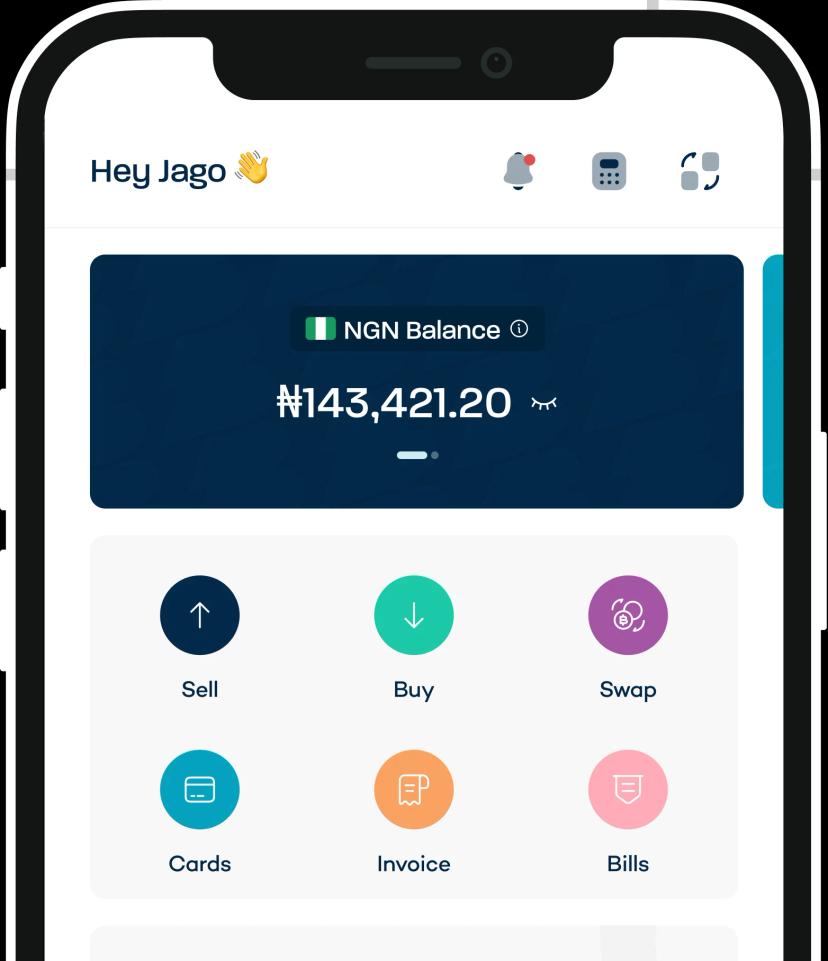
Breet provides a seamless process for businesses by generating a wallet address for customers, detecting deposits, converting cryptocurrency, and automatically settling funds in NGN (Nigerian Naira) or GHS (Ghanaian Cedi) directly into the business’s bank account.
This functionality offers a level of confirmation that is not available in NOWPayments’ public sources.
Settle every crypto payment directly to an NGN or GHS bank account, automatically converted after blockchain confirmation
With Breet, every crypto payment is settled directly into a bank account in NGN or GHS, automatically converted after blockchain confirmation.
Breet’s settlement process to banks operates in two ways: either to a unique wallet address assigned to a single customer or pooled at the business level. In both cases, the settlement is triggered automatically once the transaction is confirmed on the blockchain.
Pay one volume-based transaction fee, with no setup, monthly, gas, or wallet-sweeping charges added on
Breet offers a volume-based rate that is confirmed in writing before you integrate. There are no setup fees, no monthly fees, no gas charges, and no hidden wallet-sweeping fees.
You receive a single, transparent rate that remains constant, regardless of the payment method used. Additionally, Breet provides a public sandbox where your engineers can test the entire process before any funds are exchanged.
Cardtonic successfully went from sandbox to production in just two days. As the team at PIL remarked, “Breet integrated smoothly into our existing product without causing any disruptions.”
Book a demo to see how NGN or GHS settlements work from start to finish.
2. Yellow Card
Best for a business selling into several African markets through one integration.
Yellow Card operates licensed services in 20 African countries, giving it the most extensive single-provider reach among competitors.
When a business sells into Kenya, Uganda, Nigeria, and Ghana through one integration, it eliminates the need to manage separate local providers for each market. Yellow Card facilitates both bank transfers and mobile money payouts in most of these countries.
Additionally, its stablecoin treasury and wallet tools are compatible with over 30 blockchains, meaning the blockchain used for payment does not affect how the money is received.
Pros
- Widest African country coverage of any provider on this list, useful for a merchant expanding beyond one or two markets.
- Supports both bank transfer and mobile money payout methods.
- Stablecoin treasury tooling across 30+ chains means a business isn’t limited to one network for USDT or USDC collection.
Cons
- The coverage for Ghana is unclear in Yellow Card’s own documentation. The current fee schedule indicates that channels for Ghana are unavailable, while an older coverage map still lists Ghana mobile money as available.
- Nigeria’s pricing structure is tiered instead of flat: 1% on transactions below NGN 100,000 and 0.5% on transactions above that, with minimum fees applicable. This makes it harder to predict than a single published rate.
3. Ivorypay
Best for the merchant-checkout job NOWPayments’ plugins are built for, scoped to Africa.
Ivorypay is designed to address the same need as the widgets and plugins from NOWPayments: enabling businesses to easily integrate a cryptocurrency payment option into their existing checkout process.
It charges a fee of 1% on collections, with a maximum cap of $25. For instance, on a $500 payment, the fee would be $5. However, on a larger payment of $50,000, the fee would still be capped at $25, whereas an uncapped 1% would have resulted in a fee of $500.
Additionally, Ivorypay offers virtual accounts for fiat currency collections, providing businesses with bank-like account numbers that customers can use for direct payments, in addition to the cryptocurrency options.
Pros
- Fee is capped, so cost stays predictable and proportionate even on larger transactions, unlike an uncapped percentage fee.
- Virtual accounts add a fiat collection option alongside crypto, at least for Nigerian businesses.
- Operates across 17 countries
Cons
- Supports only four cryptocurrencies: BTC, ETH, USDT, and USDC, which is limited compared to NOWPayments’ 300+ options. Businesses needing a wider range of tokens may find this restrictive.
- An older Ivorypay page suggests that the virtual-account feature is limited to Nigerian businesses. Confirm its availability in other countries directly with Ivorypay before assuming it works elsewhere.
4. Bitnob
Best for a business that wants payouts and cards alongside payment acceptance.
Bitnob is a payout API that operates in nearly 100 countries, enabling businesses to pay contractors, vendors, or users abroad using the same account they utilize to accept cryptocurrency.
The service also issues cards, supports Bitcoin Lightning for quick and low-fee transfers, and manages bulk transfers suitable for payroll applications.
In Ghana, Bitnob facilitates payouts in GHS through mobile money via MTN and Vodafone Cash, covering the country’s two largest mobile money networks directly.
Pros
- The payout service reaches nearly 100 countries, giving it a broader payout footprint than any other provider on this list.
- Availability of card issuing and bulk transfer tools allows businesses to consolidate payments, payouts, and card programs under one provider instead of using three different services.
- Direct mobile money payouts through MTN and Vodafone Cash cover Ghana’s leading networks without the need for a third-party intermediary.
Cons
- The crypto-funded payout system only accepts BTC, USDT, and USDC, which limits options for businesses that desire a wider range of supported assets for payouts.
- There is no standard published fee percentage; instead, each payout incurs a fee specific to the route used and an effective rate. This variability makes it more challenging to estimate costs in advance compared to having a single stated fee.
5. HoneyCoin
Best for mobile money payout across a wide African footprint.
HoneyCoin offers payout methods that traditional bank-only systems do not support. It operates in over 26 markets across Africa, Europe, and North America, featuring mobile money off-ramps in 12 African countries, as well as bank connections in Kenya, Nigeria, Tanzania, Malawi, and Ghana.
If most of your customers prefer to pay and receive payments via mobile money rather than through a bank, HoneyCoin presents a better match than a bank-first provider.
While Yellow Card covers more countries overall, HoneyCoin boasts a higher number of mobile money off-ramps. A business focused on mobile money rather than traditional bank rails will find greater direct coverage with HoneyCoin.
Pros
- Mobile money off-ramp in 12 African countries is broader than any other provider on this list.
- Bank settlement is available in five specific countries, including both Nigeria and Ghana, giving a business a formal banking option where needed.
- Multi-region coverage (Africa, Europe, North America) suits a business with a geographically spread customer base.
Cons
- On-ramp and off-ramp support only USDC and USDT, the narrowest asset range on this list.
- Fees aren’t published; they sit behind a login, so a business can’t compare cost upfront the way it can with Ivorypay’s or Yellow Card’s published rates.
- The off-ramp deposit address expires after one hour and expects the exact quoted amount.
Find the right NOWPayments alternative with Breet
Very few businesses actually care about the number of coins a payment gateway lists. What truly matters to them is what their bank statement reflects on Monday morning. This piece addresses that question for each of the five options.
Breet stands out for three key reasons. With Breet, you receive a confirmed bank destination in either Nigerian Naira (NGN) or Ghanaian Cedi (GHS). You also benefit from a single fee instead of a fluctuating rate based on payment type, along with support that you can easily access, which is a significant advantage over NOWPayments, according to its own reviewers.
Book a demo and watch a payout land in a Nigerian or Ghanaian bank account while you’re still on the call.