Building a crypto-compliant fintech in Nigeria opens up real advantages, from inclusive payment infrastructure to Web3 integration. But the upside only holds if you get the regulation right. A non-compliant platform risks heavy sanctions and permanent bank account closure, so you need full clarity on the rules before you launch.
The Shift in Nigerian Crypto Regulations
Nigeria has moved from a blanket crypto ban to a structured regulatory framework. The Central Bank of Nigeria (CBN) issued new guidelines for Virtual Asset Service Providers (VASPs) in December 2023.
These CBN VASP guidelines lifted the 2021 ban on banking services for crypto companies. Banks can now open accounts for crypto firms that meet specific licensing criteria. The Securities and Exchange Commission (SEC) has also established clear rules for digital assets, giving crypto operations a legal path to follow. Understanding both frameworks is the baseline for operating legally in Nigeria.
Why Compliance Is a Competitive Moat
Compliance is not just a cost of doing business in Nigeria. It is one of the strongest advantages a crypto fintech can hold over its competitors.
Many operators still run underground businesses through personal bank accounts. This shadow approach creates serious operational risk for both the platform and its users, and it caps how far the business can grow. Regulated platforms sit on the other side of that line.
A fully registered VASP can integrate directly with Tier 1 Nigerian banks. That clearance lets you issue dedicated virtual Naira accounts to every user, so customers can deposit Naira instantly through standard bank transfers without fear of frozen accounts. Unlicensed platforms have to rely on slower peer-to-peer matching and still risk losing their bank accounts overnight.
Compliance also lets your fintech deploy automated stablecoin APIs with institutional liquidity providers. You can settle large daily volumes without triggering fraud flags at the Central Bank, which means you can offer corporate clients guaranteed settlement speeds. Shadow platforms stay capped by daily retail banking limits.
Registered fintechs appear in the SEC’s official regulatory directories. Enterprise clients use these public registries to vet their technology vendors, so being listed opens the door to B2B partnerships with global platforms and international remittance companies. Most of these corporations will not work with unverified shadow platforms at all.
Your legal status also becomes a marketing asset. Retail investors increasingly avoid shady peer-to-peer markets in favour of regulated platforms that protect their capital. Compliance is what earns that trust.
Key Regulatory Requirements for Nigerian Crypto Fintechs
You need to align your operations with three main regulatory pillars. Miss any one of them and the platform cannot stand.
SEC VASP Registration
The SEC requires all crypto platforms to obtain a VASP licence. Your fintech must meet a minimum capital requirement to qualify, and the SEC sorts VASPs into six licence types, each carrying a different capital threshold depending on the services offered.
Here is a snapshot of the minimum capital requirements:
- Digital Assets Exchange (DAX): ₦2 billion
- Digital Assets Custodian (DAC): ₦2 billion
- Real-World Assets Tokenization & Offering Platform (RATOP): ₦1 billion
- Digital Assets Offering Platform (DAOP): ₦1 billion
- Digital Asset Intermediary (DAI): ₦500 million
- Ancillary Virtual Asset Service Provider (AVASP): ₦300 million
Beyond capital, interested fintechs must implement robust cybersecurity measures and proper corporate governance structures. The SEC wants proof that your platform can securely hold user funds.
CBN Designated Settlement Accounts
Licensed VASPs must route all crypto-related fiat transactions through Designated Settlement Accounts, opened specifically for that purpose by your bank. Standard corporate accounts are not permitted for these operations.
NFIU and AML Obligations
Your platform must register with the Nigerian Financial Intelligence Unit (NFIU) and file Suspicious Activity Reports for unusual user behaviour. The regulations are strict: fintechs must maintain proper Anti-Money Laundering (AML) protocols and monitor every transaction flow. Know Your Customer (KYC) verification is mandatory for every user on your platform.
Common Compliance Mistakes to Avoid
Most enforcement problems come from a handful of avoidable mistakes. These are the three that catch founders most often.
Processing business transactions through the wrong accounts. Many operators run transactions through personal or standard corporate accounts instead of dedicated VASP settlement accounts. This directly violates CBN operational guidelines. The Central Bank mandates that all virtual asset transactions go through a Designated Settlement Account, and mixing corporate funds with retail crypto flows triggers automated AML flags. Your bank can place a Post-No-Debit order on your account instantly the moment those funds mix.
Launching before regulatory clearance. Founders often integrate banking APIs and go live publicly while their SEC application is still pending. Operating a live platform without a valid licence or an Approval-in-Principle is a serious offence and carries significant SEC penalties for unauthorised digital platforms. Wait until you complete the Accelerated Regulatory Incubation Program (ARIP) before launching publicly.
Delaying automated identity verification. Startups frequently postpone building automated identity verification to save on early development costs, launching with manual document checks instead. That shortcut breaks down fast under modern regulatory auditing. The CBN and SEC require instant validation of Bank Verification Numbers (BVN) and National Identity Numbers (NIN), and bolting automated KYC onto a live product later ruins the user experience.
Building a Compliant Crypto Product: Five Things to Get Right
Building a crypto product that lasts in Nigeria takes a methodical approach. You have to embed regulatory compliance directly into your technical architecture from day one. These are the steps to launch safely.
1. Update Your Corporate Object Clause
Your compliance journey starts at the Corporate Affairs Commission. File an official amendment to update your Memorandum and Articles of Association, so they explicitly state that your business provides virtual asset services. The SEC will reject your licence application if this clause is missing, so make sure your registered activities match your actual product features.
2. Apply for Your SEC VASP Licence
Secure your regulatory pathway before deploying any live code. Apply directly to the SEC for a VASP licence. If you are an early-stage startup, you can apply through the Accelerated Regulatory Incubation Program (ARIP), which grants an Approval-in-Principle to successful applicants. That status lets you negotiate with local payment partners legally. Do not try to bypass this step to launch faster.
3. Build Compliance Into the Foundation
Do not treat compliance as something to patch in after launch. Your engineering team should design the system with regulatory frameworks in mind, embedding AML triggers directly into the backend and structuring the transaction database to support automated monitoring. Reworking your core database schema after launch is expensive and complex.
4. Integrate Automated BVN and ID Verification
Gate every cryptocurrency feature behind a strict identity check. Your platform should require a government-issued ID and a valid BVN during onboarding, and integrate direct verification APIs to validate that data in real time. This automated check is non-negotiable under current CBN guidelines. If a user refuses to complete it, your system should block wallet access.
5. Maintain Comprehensive Transaction Records
Log every blockchain transaction precisely. Your ledger should record the exact timestamp, the destination wallet address, the unique user identifier, and the purpose of every transfer. Regulators require you to retain these logs for at least five years, and clean data retention is what lets your company pass annual compliance audits without scrambling.
Key Takeaway
For a Nigerian crypto fintech, regulatory compliance is not optional, but it is also not a wall. Embracing the SEC and CBN frameworks removes the operational anxiety of running in the shadows and replaces it with stable banking access and a credible foundation for user trust. Start your licensing journey early to secure better positioning in the Nigerian market.
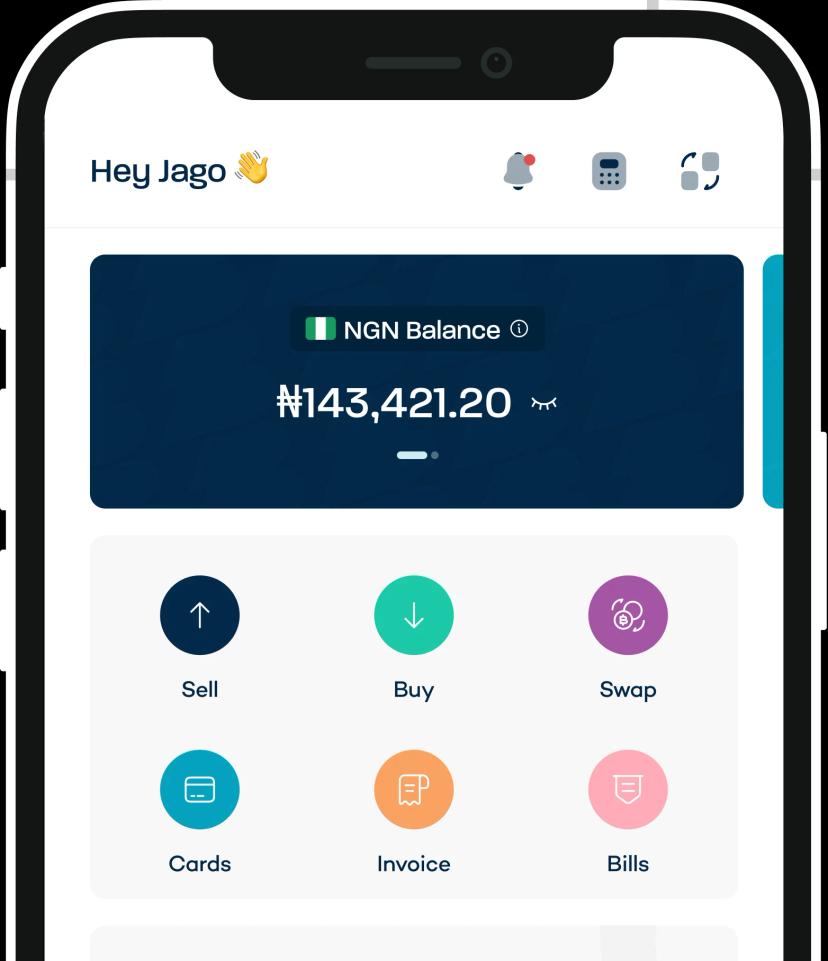
If you would rather plug into compliant rails than build them, Breet provides crypto and stablecoin payment infrastructure that handles conversion and settlement for businesses across Nigeria. It lets your team focus on the product while the compliance-heavy parts of settlement are already taken care of.