Crypto is no longer a niche conversation in Ghana. It is becoming part of everyday financial life. According to research and current data, nearly 3 million Ghanaians are using cryptocurrency right now. They use crypto to save money, send remittances, trade and hedge against a currency that lost about 24% of its value in 2024.
Now, what makes this topic interesting and worth reading is not just crypto adoption in Ghana, but how people are using crypto. It is more about solving real problems like expensive remittances, currency instability and limited access to global finance.
This article breaks down the real numbers behind crypto adoption in Ghana; who is using it, how much is being traded, which platforms and coins dominate and where things are headed next. Let’s begin.
Related:
- Crypto Regulations in Ghana: Current Update
Overview of Crypto Adoption in Ghana
Ghana’s relationship with cryptocurrency didn’t just begin out of the blue; a need called for it. In an economic system where one is priced out of financial services and inflation keeps going up, young people began turning to Bitcoin and USDT as practical tools.
So, crypto adoption in Ghana has grown steadily over the past few years and ranks among the top countries in Africa for grassroots crypto usage.
As of 2024–2025 estimates:
- Around 10 percent to 17 percent of Ghana’s population has owned or used cryptocurrency in some form
- This translates to over 3 million users, depending on the dataset used
- Ghana consistently appears in Africa’s top 10 countries for crypto adoption.
While this is lower than countries like Nigeria, it still represents strong growth considering Ghana’s smaller population. The results speak for themselves.
Growth Trends of Crypto Adoption in Ghana
The growth has been swift. Ghana’s crypto user base grew by 38.2% in 2025, driven heavily by youth adoption. Between July 2024 and June 2025, Sub-Saharan Africa recorded over $205 billion in on-chain value between July 2024 and June 2025, a 52% jump from the prior year, according to Chainalysis.
In August 2024, The Bank of Ghana published draft guidelines on digital assets. By July 2025, it mandated registration for all Virtual Asset Service Providers. By December 2025, the VASP Bill was law. That’s how fast things moved once the government stopped looking away.
To put it simply, crypto adoption in Ghana has not been sudden. It has followed a clear upward trend:
- 2019–2020: Early adoption phase driven by tech-savvy youth
- 2021: Surge during the global crypto bull run
- 2022–2023: Increased usage despite market downturns, showing resilience
- 2024–2025: Stabilization with more practical use cases like payments and savings
Related:
Ghana’s Position in Africa’s Crypto Adoption
In Africa, Ghana is often ranked among the top 5 to 10 countries for crypto adoption, a leading market for P2P trading activity and a growing hub for fintech innovation.
In 2024, Ghana ranked 9th in Africa and 46th globally in the crypto adoption index. It sits behind regional heavyweights Nigeria and Kenya but ahead of many comparable African economies.
The 2026 Global Crypto Adoption Index marks an even bigger milestone, Ghana has now debuted in the global top 20, alongside Ethiopia and Kenya in sub-Saharan Africa’s strongest showing ever.
Key Drivers
Four structural factors are fueling this adoption and these factors create the perfect environment for crypto to grow.
- Youth population: Ghana has a large youth demographic that is tech-savvy and open to new financial tools.
- Mobile and internet penetration: Mobile phone usage exceeds 130 percent penetration, making digital finance accessible.
- Currency depreciation: Ghanaian Cedi has experienced fluctuations, pushing people to seek alternatives. When local currency loses a quarter of its value in 12 months, looking for alternatives is normal.
- Remittances: Many Ghanaians receive money from abroad and crypto offers cheaper options.
Top Pick:
- Latest Crypto News in Ghana Today: Week of April 13
Key Crypto Usage Statistics in Ghana: How Many People Use Crypto in Ghana?
There are over 3 million crypto users in Ghana as of 2026, and the majority of users are under 35. The dominant demographic is young, urban and mobile-first
General adoption statistics
- 10 percent to 17 percent of Ghanaians have used crypto
- Over 3 million crypto users in Ghana
- Ghana ranks within the top African countries for crypto ownership
With 60.1% of Ghana’s population living in urban centers, cities like Accra and Kumasi lead adoption but mobile-first P2P platforms are slowly extending reach into rural areas as well.
Stablecoins, particularly USDT, have become popular among users who want the utility of crypto without exposure to Bitcoin’s volatility. Bitcoin and Ethereum are also popular.
- Bitcoin (BTC): Used for long-term holding and international payments
- Tether (USDT): Popular for stability and trading
- Ethereum (ETH): Used for trading and DeFi access
Summary Table of Cryptocurrency Adoption in Ghana
| Metric | Data |
| Crypto ownership | 17% of adult population |
| Estimated Users | Over 3 million |
| Popular coins | BTC, USDT, ETH |
| Key users | Young (18-35) |
| Main channel | P2P trading |
For You:
Why Crypto Is Growing in Ghana
Crypto growth in Ghana is driven by real financial needs.
1. Mobile money dominance
Ghana has one of Africa’s strongest mobile money ecosystems. Its mobile money sector processed GH¢649.2 billion in just the first two months of 2025 alone, a 64.68% year-on-year increase.
Services like MTN Mobile Money, Vodafone Cash, and AirtelTigo have trained millions of Ghanaians to transact digitally without walking into a bank branch. When crypto platforms began integrating with these same mobile money rails, the barrier to entry dropped significantly.
2. High cost of remittances
Ghana is heavily reliant on diaspora remittances.
Traditional wire transfers through banks or services like Western Union can take days and charge fees of 5–10%. Crypto-based remittances, particularly through stablecoin channels are significantly faster and cheaper. This makes it attractive for people receiving money from abroad.
3. Currency fluctuations
Ghanaian Cedi has experienced periods of depreciation, especially between 2022 and 2024. As a result, many people use crypto as a store of value and stablecoins like USDT act as a digital dollar alternative. This is one of the strongest drivers of crypto adoption.
4. Increasing fintech awareness
Fintech education is improving in Ghana. There are more online resources and communities, increased exposure through social media and growth of local crypto influencers. As awareness grows, more people feel confident using crypto.
Crypto Platforms and Usage Trends in Ghana
Despite the absence of formally licensed local exchanges until the VASP Bill passed, Ghana’s crypto market has been very active. The most widely used platforms include:
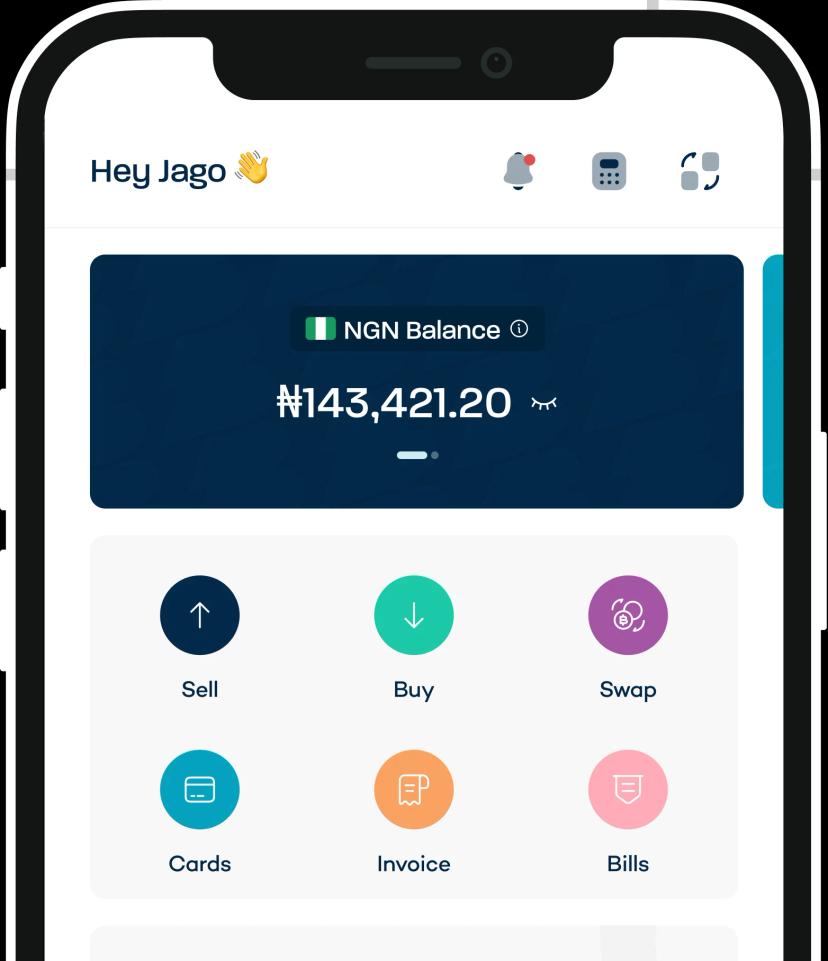
- Breet: Crypto exchange in Ghana that allows fast crypto-to-cash conversions directly to mobile money accounts. What makes Breet stand out is how simple it is; you can generate a wallet address, receive Bitcoin, USDT, or Ethereum from anywhere in the world and convert it to Cedis almost instantly.
- Binance: Dominant for experienced traders, used primarily via its P2P marketplace with GHS (Ghanaian Cedi) support
- KuCoin: Popular for altcoin trading and its zero-fee P2P model
- Bitget and Coinbase: Used by more advanced and international-facing traders
With the VASP Bill now law, licensed local exchanges are expected to emerge in 2026, giving traders better consumer protections and more seamless fiat on-ramps.
The Rise of Stablecoins
Stablecoins are becoming the preferred option to protect users from volatility, act as a digital version of the US dollar and used for savings and trading. This shift shows that users are becoming more practical and risk-aware.
USDT on the TRC20 (TRON) network has become particularly popular in Ghana due to its low transaction fees. Bitcoin remains the most recognized asset, but for day-to-day use, stablecoins are the practical choice for most Ghanaians.
Across sub-Saharan Africa, stablecoin adoption grew by 180% year-on-year and Ghana is a significant contributor to that figure.
Growth of DeFi and Trading
DeFi, also known as decentralized finance, is still new in Ghana but it is slowly growing. Some users are starting to try things like staking and yield farming to earn extra income from their crypto. Many of these activities happen on platforms built on Ethereum, which are becoming more popular.
However, DeFi is still hard for beginners to understand, so not many people use it yet. Because of this, most people in Ghana stick to simple activities like buying and selling crypto, which is why trading is still the most common way people use crypto.
Read Also:
Challenges and Future Outlook for Crypto Adoption in Ghana
Crypto adoption in Ghana is growing steadily but it is not without its challenges. One of the biggest issues is the lack of clear regulation. The Bank of Ghana (BoG) has issued warnings about the risks of cryptocurrency, but it has not fully approved or banned its use.
This leaves users and businesses operating in an uncertain space, where rules are not always clear. While this has not stopped adoption, it does limit how far the industry can grow, especially when it comes to institutional involvement and large-scale innovation.
The regulatory story has been a slow pivot from suspicion to structure:
- 2018: The Bank of Ghana issues its first warning against crypto trading
- 2021: BoG establishes a fintech regulatory sandbox and begins research into a digital cedi (e-cedi)
- 2024: BoG publishes draft guidelines for digital assets; Ghana Blockchain Week engages government and private sector
- 2025: VASP registration made mandatory; Virtual Asset Regulatory Office (VARO) established within the BoG
- December 2025:Parliament passes the VASP Bill – crypto trading officially legalized
Bank of Ghana Governor Dr. Johnson Asiama acknowledged the government was “late in the game” when it comes to regulation. The VASP Bill now empowers the BoG to license exchanges, wallet providers, and other service providers, with compliance standards covering cybersecurity and capital requirements.
Ghana still faces real challenges:
- Scams and fraud: P2P scams remain common, with bad actors operating through fake Telegram and WhatsApp groups
- Education gaps: Many users, especially outside major cities, lack awareness of security best practices
- Enforcement capacity: Regulating a sector that operated informally for years requires significant institutional investment
- Volatility risks: Bitcoin’s price swings remain a real deterrent for risk-averse first-time users
Projections: Future Growth Potential of Crypto in Ghana
Despite these challenges, the future of crypto in Ghana looks promising. The country has a strong foundation for digital finance, driven by high mobile phone usage, a young population, and a growing fintech ecosystem. More people are becoming aware of crypto and are starting to use it for practical reasons like sending money, saving in stablecoins, and trading. As internet access continues to improve and financial technology becomes more widespread, adoption is likely to increase even further.
Overall, crypto adoption in Ghana is moving in the right direction. The key to long-term growth will be balancing innovation with user protection. With better education, clearer policies and continued technological development, crypto has the potential to become an even more important part of the country’s financial system.
Role of CBDCs and Fintech Innovation
The future of crypto in Ghana will not be shaped by crypto alone but also by how it interacts with broader financial innovation. One key development to watch is the push for a central bank digital currency.
The Bank of Ghana has been working on the eCedi, a digital version of the national currency designed to improve payments, increase financial inclusion, and modernize the financial system. While the eCedi is not the same as decentralized cryptocurrencies, it shows a clear shift toward digital finance and could help more people become comfortable with digital transactions.
At the same time, Ghana’s fintech space is expanding quickly. Startups are building solutions that make it easier to send money, save, and access global financial tools.
Some of these platforms are beginning to integrate crypto services, creating a bridge between traditional finance and digital assets. This kind of innovation is important because it makes crypto more practical and easier to use for everyday people, not just experienced traders.
Looking ahead, the combination of fintech growth and digital currency development could play a major role in shaping crypto adoption.
If regulations become clearer and innovation continues at this pace, Ghana has the potential to become one of Africa’s leading digital finance hubs. The next phase of adoption will likely focus less on awareness and more on usability, trust and long-term value for users.
Don’t Miss:
- Top 7 Alternatives to Binance in Ghana
Conclusion
As said earlier, Ghana’s crypto market didn’t begin suddenly. People were already trading, saving and sending money with crypto long before any real rules showed up. What’s happening now as regards regulations and even the eCedi from the Bank of Ghana is just the system catching up digitally. Of course, the world is advancing and systems need to move with it.
If the next couple of years go right, this could get interesting. Proper exchanges could launch, the eCedi could become a real part of daily transactions and sending money in and out of the country could get a lot easier. This way, crypto is integrated fully.
Well, what happens next? We will see.
In the meantime, if you are looking for the fastest and easiest way to convert crypto to cash in Ghana, Breet lets you sell Bitcoin, USDT and other cryptocurrencies directly to your mobile money account in minutes.