- The Rise of Stablecoins in Africa
- What Businesses Need from a Stablecoin Infrastructure API
- Key Features That Differentiate Top Stablecoin APIs
- 7 Best Stablecoin Infrastructure APIs for Businesses in Africa
- Comparing Leading Stablecoin Infrastructure Providers in Africa
- How to Choose the Right Stablecoin API for Your Business
- Conclusion on Stablecoin Infrastructure API
- Frequently Asked Questions on Stablecoin Infrastructure API (FAQs)
Stablecoin infrastructure APis are seeing a growing adoption among fintech African businesses.
The reason?
Stablecoins are changing how money works and moves across Africa. In economies where local currencies can lose value quickly, startups, SMEs and businesses are looking for safer ways to store and transfer money.
This is why using a stablecoin infrastructure API is necessary.
Across Nigeria, Ghana, and other African countries, more companies are settling invoices in USDT and USDC.
People want dollar stability and predictable exchange rates. Startups want global payments without traditional banking delays. Well, stablecoins are filling that gap.
How though?
In this article, we will look at the 7 best stablecoin infrastructure API providers for businesses operating in Africa. We will also break down what companies should look for before choosing a provider. First, let’s look into the rise and integration of stablecoins in Africa.
Related:
The Rise of Stablecoins in Africa
Stablecoins are digital currencies pegged to stable assets, usually the US dollar. Popular examples include USDT issued by Tether and USDC issued by Circle. Unlike Bitcoin or Ethereum, their value does not swing wildly or fluctuate every day.
Africa has seen strong stablecoin adoption for several reasons. First, foreign exchange volatility remains a major challenge.
In countries like Nigeria and Ghana, currency depreciation and inflation make it difficult for businesses to plan long term. Holding part of working capital in dollar backed stablecoins helps reduce that risk.
Second, remittance fees are still high
in many corridors. Sending money into Africa through traditional channels can cost between 5 and 10% depending on the country. Stablecoins can reduce settlement time to minutes and lower transaction costs significantly when used correctly.
Third, cross border trade across African countries often faces delays. Different banking systems, compliance processes and limited dollar liquidity slow down transactions. Stablecoins settle on blockchain networks like Ethereum, Tron, and Solana, enabling near instant transfers.
Fourth, access to US dollars can be restricted. Many businesses struggle to access official FX windows. Stablecoins offer an alternative way to hold and transfer.
As a result, countries such as Nigeria, Kenya, and Ghana have seen increasing USDT and USDC usage for savings, payments, payroll, and trade settlement. This demand is driving the need for reliable stablecoin infrastructure API solutions that businesses can plug into their products.
What Businesses Need from a Stablecoin Infrastructure API
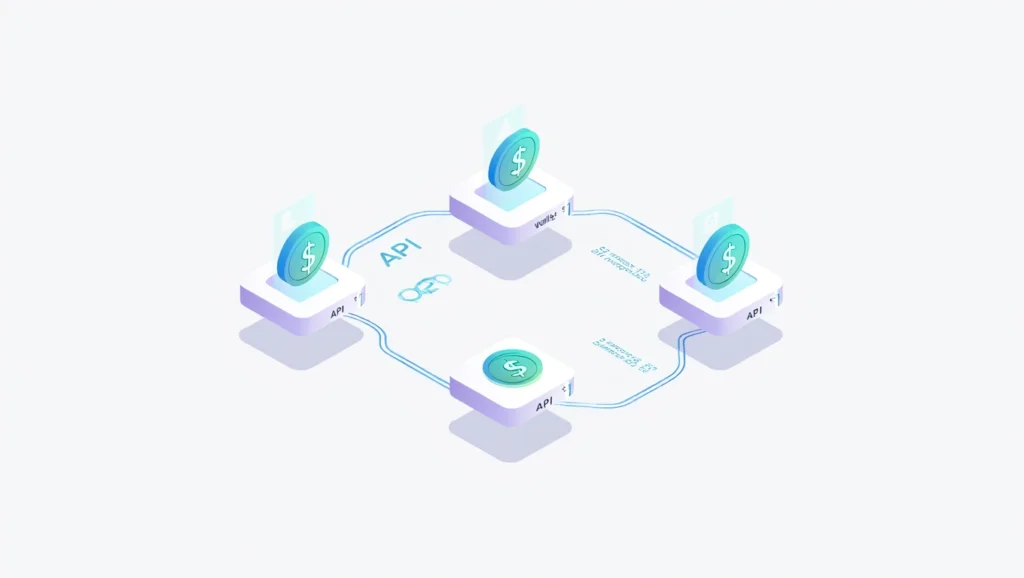
Choosing a stablecoin infrastructure API is not just about enabling crypto payments. African businesses need specific features tailored to local realities.
- Multi chain support is essential. USDT and USDC exist on several networks including Ethereum, Tron, Solana, and others. Tron is popular because of lower transaction fees, while Ethereum remains widely adopted. Businesses need flexibility.
- Local fiat on and off ramps matter just as much. It is not enough to receive stablecoins. Companies need a way to convert to Naira, Cedus or Shillings and settle into bank accounts smoothly.
- Compliance and KYC tooling is critical. Regulators across Africa are still shaping crypto rules. Businesses need APIs that provide identity verification, transaction monitoring and reporting features.
- Wallet infrastructure is another key decision. Some companies prefer custodial wallets where the provider manages private keys. Others want non custodial options for more control. A good stablecoin infrastructure API should support both models or provide clear custody frameworks.
- Reliable uptime and fast settlement speed are non-negotiable. Payment delays affect trust. APIs must handle high transaction volumes without downtime.
- Regulatory alignment is important also. Providers should understand local compliance requirements and operate within legal frameworks in each country.
Top Pick:
Key Features That Differentiate Top Stablecoin APIs
APIs are built for different use cases. Some focus on basic transfers while others provide deeper financial infrastructure.
- Pricing transparency is one of the first differentiators. Businesses need to understand transaction fees, conversion spreads, and payout charges clearly.
- Treasury automation tools are another advanced feature. These tools help companies automatically convert incoming stablecoins into local currency or rebalance funds across wallets.
- Embedded wallets allow businesses to create wallets for their customers directly within their apps. This is useful for fintech platforms, marketplaces, and payroll services.
- Webhooks and real time transaction monitoring improve visibility. Developers can receive instant notifications when payments arrive or when settlements are completed.
- Smart routing helps reduce transaction costs. For example, routing a USDT transfer through Tron instead of Ethereum can significantly lower fees depending on network conditions.
- Bulk payouts and payroll support are important for companies paying contractors across multiple countries. The ability to send hundreds of payments in one batch saves time.
- SDK quality and developer experience also matter. Clear documentation, sandbox environments and responsive support teams make integration easier.
- Security architecture is fundamental. Providers must implement strong encryption, multi signature controls, internal risk management systems, and regular audits.
7 Best Stablecoin Infrastructure APIs for Businesses in Africa
Below are the top 7 stablecoin infrastructure API providers serving African businesses today:
- Breet
- Fireblocks
- Bridge
- Circle
- Coinbase Commerce
1. Breet
Breet is on the top of this list as Africa’s most practical stablecoin infrastructure API specifically built for African businesses.
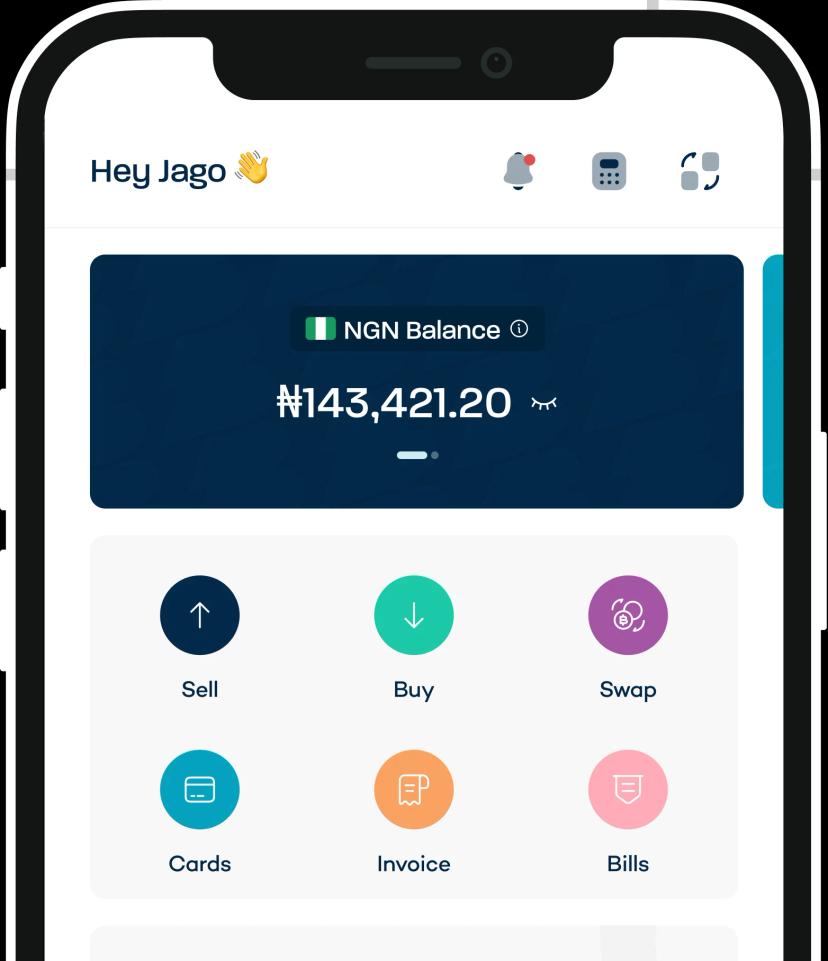
It’s Crypto and Stablecoin API supports multiple cryptocurrencies including USDT and USDC across multiple blockchains (Ethereum, Tron, Solana), with direct Naira settlement to Nigerian bank accounts in minutes. So, as part of the latest upgrade, users can now buy and manage stablecoins on the platform.
What makes Breet stand out as the best stablecoin infrastructure API Provider:
- Zero setup fees. Get your integration in less than 2 hours
- Transparent pricing from 0.5%,
- Wallet addresses for users and instant conversions between stablecoins and local currency.
- API is built specifically for African use cases.
2. Fireblocks
Fireblocks provides secure digital asset custody and transfer infrastructure. It is often used by large institutions that need advanced treasury and security controls.
The platform offers comprehensive security architecture, multi-chain support and deep integration with DeFi protocols. It has bank-grade security infrastructure, proven track record with institutional clients, extensive insurance coverage, and the widest multi-chain coverage in the industry.
3. Bridge
Bridge (acquired by Stripe in late 2024) offers a unified stablecoin API that handles sending, storing, converting, and spending digital dollars. The platform provides embedded wallet infrastructure, cross-border payment capabilities, and even stablecoin issuance for businesses that want their own tokens.
It works with a single API for all stablecoin operations, instant 24/7 settlement, card programs for spending stablecoins, and strong backing from Stripe’s global infrastructure. Bridge handles the technical complexity of gas management and onchain security.
4. Circle
Circle is the issuer of USDC, the second-largest stablecoin by market cap. It provides global APIs for minting, redeeming, and managing USDC. It is enterprise-focused and may require deeper compliance processes.
Their API infrastructure includes Circle Payments Network and direct USDC issuance capabilities. In 2025, Circle launched x402, enabling AI agents to make autonomous USDC payments.
Circle has direct control over USDC issuance and redemption, partnership with major institutions like BlackRock and Visa, regulatory compliance as a licensed money transmitter, and integration with 2,400+ businesses globally.
5. Coinbase Commerce
Coinbase Commerce provides stablecoin payment infrastructure built on Base (Coinbase’s Ethereum Layer-2 network). The platform offers gasless checkout experiences, easy integration with existing e-commerce platforms, and abstraction of blockchain complexity.
It has familiar brand trust, integration with major e-commerce platforms, support for multiple wallet types (MetaMask, Phantom, Coinbase Wallet), and developer-friendly APIs with clear documentation.
Related:
- Latest Crypto News in Nigeria Today
Comparing Leading Stablecoin Infrastructure Providers in Africa
Here is a detailed comparison table comparing the leading stablecoin infrastructure providers in Africa based on:
- Pricing models
- Supported currencies and chains
- Integration complexity
- Compliance capabilities
- Target customers (SMEs vs enterprises vs fintechs)
Read Also:
- 9 Best Crypto OTC Trading Platforms
How to Choose the Right Stablecoin API for Your Business
It is very important to choose the right stablecoin API for your business and this selection needs careful evaluation. Start by asking about supported blockchains and stablecoins. Make sure the networks align with your cost and speed expectations.
Understand the regulatory landscape in your country. Some African central banks have issued guidelines on digital assets, while others remain cautious. Work with providers that operate transparently.
Consider scalability. Can the API handle growing transaction volumes? Does it support bulk payouts and automated treasury management?
Also forecast costs carefully. Beyond setup and transaction fees, examine conversion spreads, settlement charges and monthly platform costs.
Evaluate risk management practices. Ask about cold storage, insurance coverage, and compliance monitoring systems.
Future proofing is also important. Central bank digital currencies are being explored in some African countries and multi chain expansion will likely continue. Choose a partner that can adapt to regulatory shifts and technological change.
For businesses focused on local African operations, Breet offers a practical balance. Its stablecoin infrastructure API is built around African payment realities, offering local currency settlement and tools that support startups and growing companies.
Don’t Miss:
- Top 13 Crypto Exchanges in Nigeria
Conclusion on Stablecoin Infrastructure API
In recent times, stablecoins are more than just a crypto trend. They are becoming a real financial tool for African businesses facing currency volatility, payment delays and cross border trade challenges.
A reliable stablecoin infrastructure API allows companies to accept stablecoins, automate treasury processes and settle into local bank accounts with greater efficiency.
The right provider depends on your size, regulatory environment and growth plans. Regional platforms offer local expertise and easier integration, while global players provide advanced institutional features.
Before making a decision, evaluate pricing, compliance, technical capabilities and scalability. With the right infrastructure in place, stablecoins can help African businesses move money faster, reduce risk and in all, compete globally.
Frequently Asked Questions on Stablecoin Infrastructure API (FAQs)
What is a Stablecoin Infrastructure API?
A Stablecoin infrastructure API is a set of tools that allows businesses to integrate Stablecoin payments, wallet management, conversion, and settlement into their platforms.
Are Stablecoins Legal in African Countries?
Regulations vary by country. Some governments allow crypto trading under certain guidelines, while others restrict banking relationships. Businesses should review local regulations before integrating Stablecoin services.
Which Stablecoins are Mostly Used in Africa?
USDT and USDC are currently the most widely used dollar backed Stablecoins across African markets due to their liquidity and multi chain availability.
How do Businesses Convert Stablecoins to Local Currency?
Businesses typically use on and off ramp providers that convert stablecoins into local currency and settle directly into bank accounts.