
Search for the best USDT wallet, and you’ll meet the same names every time: Trust Wallet, Ledger, MetaMask, a few exchanges. They’re all built to do one thing well, which is hold your Tether safely.
But for a Nigerian or Ghanaian holder, holding is the easy half. That’s where these wallets leave you stranded:
- None of them turn USDT into naira or cedis. You still need a separate off-ramp once the money is in.
- The usual off-ramp is P2P, where a “buyer” can send a fake payment proof or vanish after you release your coins.
- Exchange withdrawals freeze, and your balance sits stuck while a bill is due.
So the real test of a USDT wallet isn’t storage. It’s the exit. This list ranks the wallets worth using, and it leads with the fastest, safest way to actually get your money out.
The best USDT wallets in 2026, ranked
Here are the USDT wallets worth using, led by Breet for cashing out and followed by the best storage wallets for holding your Tether. The types are different on purpose. One turns USDT into cash; the rest keep it safe until you do.
| Wallet | Type | Networks | Custody | Best for |
| Breet | Cash-out rail | TRC20, ERC20, MATIC | Non-custodial (sell to cash out) | Turning USDT into naira/cedis fast |
| Trust Wallet | Hot wallet | TRC20, ERC20, BEP20 | Self-custody | Everyday mobile holders |
| Ledger | Cold wallet | Multi-network | Self-custody | Large, long-term holdings |
| Zengo | Hot wallet (MPC) | Multi-network | Self-custody, no seed phrase | Users who fear losing a seed phrase |
| MetaMask | Hot wallet | ERC20 (EVM) | Self-custody | Ethereum and DeFi users |
| Binance / Bybit | Exchange wallet | Multi-network | Custodial | People already trading there |
| Roqqu | Exchange wallet | Multi-network | Custodial | NGN/GHS familiarity |
1. Breet: best for turning USDT into cash fast, with no P2P
Every other wallet on this list is built to hold USDT. Breet is built for the part they skip: getting it out. It’s not a storage wallet. It’s the cash-out rail you pair with one.
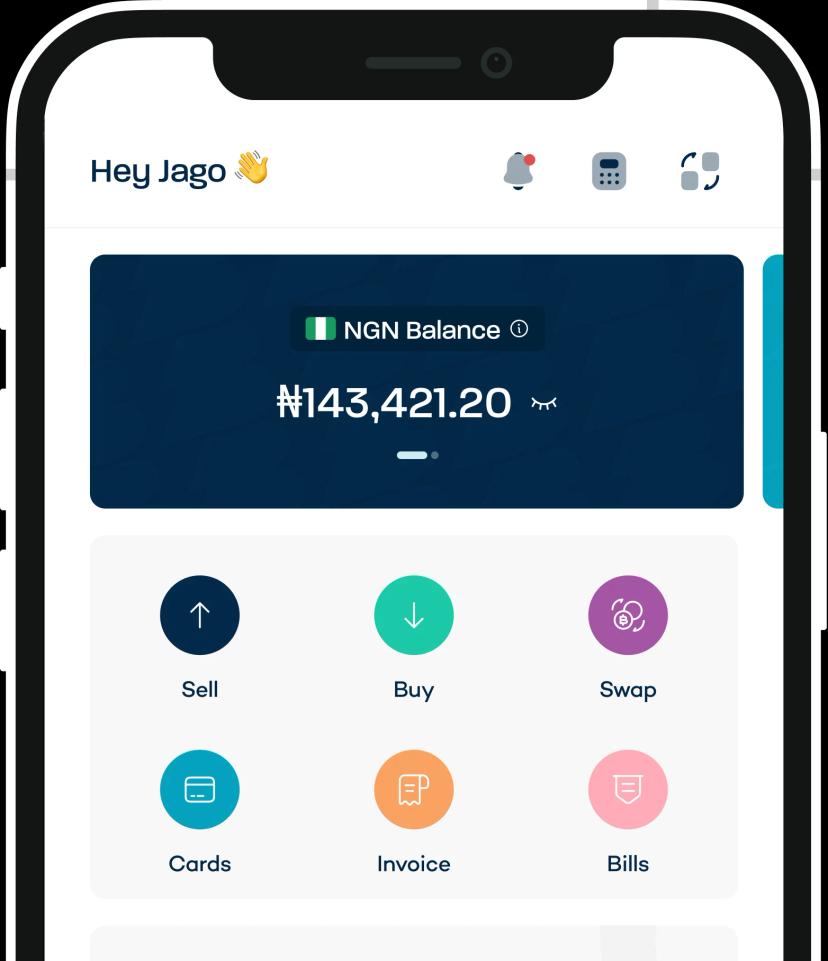
Send Tether to your Breet address, and it converts to local currency automatically, with the money settled straight to your bank account.
Breet supports 40+ assets and works across Nigeria and Ghana.
No P2P, so you cash out without scammers, disputes, or stuck appeals
Breet buys the crypto from you directly. There’s no counterparty marketplace, no stranger marking a payment as sent, and no appeal to file when they didn’t. The failure point behind most cash-out horror stories simply isn’t in the flow.
Direct-to-bank settlement, so naira or cedis land in your account in minutes, not days
Your USDT auto-converts and settles to your linked bank account, usually within about 5 to 15 minutes depending on network confirmations. Turn on Automatic Settlement, and you don’t lift a finger.
The rate is the deal, so you know what you’re getting before you convert
Breet’s rates are built to give you the best return on your coins, and you confirm the live rate before anything moves. No haggling with a “buyer,” no rate sliding while a trade clears. Check it first with the Crypto Rate Calculator.
Swap plus 40+ assets, so you can sort your USDT out before you cash out
Holding the wrong coin or the wrong network? Swap it on Breet first, then convert. USDT is supported on TRC20, ERC20, and MATIC.
Built for beginners, so you cash out without charts or a manual
Breet is rated the number-one app to sell crypto in Nigeria, with 400,000+ verified users and a 4.9-star rating. You can sell as little as $5, with no upper limit once your KYC is done.
Cons
- Breet is a cash-out and spend rail, not long-term custody storage, so pair it with a storage wallet from the list below for holding.
- You sell or swap on Breet rather than buy crypto like Bitcoin there
Ready to stop staring at a balance you can’t spend? Cash out USDT on Breet.
2. Trust Wallet: best for beginners who want a mobile hot wallet
Trust Wallet is the most popular first wallet for good reason. It’s a free, non-custodial mobile app (owned by Binance) that supports millions of assets across 100+ blockchains, so almost any coin or token you receive has a home.
For USDT, it handles TRC20, ERC20, and BEP20, and the in-app swap and built-in dApp browser let you move between tokens or connect to Web3 apps without leaving the wallet.
Setup takes a couple of minutes, and the interface is genuinely beginner-friendly.
Key features:
- Free and non-custodial, on iOS, Android, and a browser extension.
- USDT on TRC20, ERC20, and BEP20, plus staking on some assets.
- Built-in swap, dApp browser, and NFT support.
Pros: free, enormous asset and network coverage, you hold your own keys, easy to start.
Cons: self-custody means there’s no recourse if you’re phished or lose your seed phrase, and support is thin when things go wrong. One user’s verdict: “There is no support. No accountability, no attempt to resolve.” (Sitejabber) It also can’t turn USDT into naira on its own.
3. Ledger (Nano S Plus / Flex): best for large, long-term holdings
Ledger is the best-known hardware wallet brand, and its Nano S Plus and Nano X devices keep your private keys on a certified secure-element chip that never touches the internet.
Even if your computer or phone is compromised, an attacker can’t move funds without the physical device and your PIN, and every transaction is confirmed on the device’s own screen.
You manage everything through the Ledger Live app, which supports thousands of assets, including USDT across several networks.
Key features:
- Offline key storage on a secure-element chip.
- Physical confirmation required for every transaction.
- Ledger Live app for 5,000+ assets; the Nano X adds Bluetooth for mobile.
Pros: the strongest protection against remote hacks, wide asset support, a long and trusted track record.
Cons: it costs money upfront (roughly $79 for the Nano S Plus, more for the Nano X), and it’s less convenient for frequent transfers or quick cash-outs. It’s a vault, not a checkout counter.
4. Zengo: best for self-custody without seed-phrase risk
Zengo is a non-custodial wallet that replaces the traditional 12-word seed phrase with MPC (multi-party computation) cryptography.
Instead of one secret key you can lose or leak, your account is secured by two independent “shares,” one on your device and one held by Zengo, that must work together to sign a transaction.
That removes the single most common way beginners lose everything, while keeping you in control, since Zengo cannot move your funds on its own. It supports major assets including USDT, with in-app buying, selling, and swapping.
Key features:
- No seed phrase; recovery tied to your email and a biometric face scan.
- Multi-network support with in-app swap and Web3 connections.
- An optional paid “Pro” tier with extra security features.
Pros: no seed phrase to lose, genuine self-custody, a clean and beginner-friendly app.
Cons: it’s newer than Trust Wallet or Ledger, and mobile-only.
For a closer look, see our Zengo Wallet Review.
5. MetaMask: best for ERC20 and DeFi
MetaMask is the default gateway to Ethereum and other EVM-compatible chains, used by tens of millions of people as a browser extension and mobile app.
If you interact with DeFi protocols, mint NFTs, or use dApps, this is usually where your USDT (as an ERC20 token) sits.
You can add other EVM networks manually, such as Polygon or BNB Chain, swap tokens in-app, and connect to almost any Web3 site. It’s fully non-custodial, so you hold the keys and the seed phrase.
Key features:
- Browser extension plus iOS and Android apps.
- Native ERC20 and EVM support; add other networks manually.
- Built-in swaps, staking, and a portfolio view.
Pros: the most widely supported Web3 wallet, huge dApp compatibility, full self-custody.
Cons: gas fees on Ethereum ERC20 can be painful, it doesn’t natively support TRC20 (the cheapest USDT network) or non-EVM chains, and it’s more than a total beginner needs. There’s no naira path.
6. Bybit wallet: best if you already trade there
Bybit is one of the largest crypto exchanges, and gives you a built-in custodial wallet alongside deep markets, spot and futures trading, savings products, and P2P sections.
If you trade daily, keeping some USDT on-exchange is convenient because it’s already where you buy, sell, and move between coins, and deposits and withdrawals support every major USDT network. Liquidity is high, and trading fees are low.
Key features:
- An integrated wallet inside a full trading platform.
- Support for every major USDT network, plus earn and staking products.
- High liquidity and low trading fees.
Pros:
- Convenient for active traders
- Deeply liquid
- Feature-rich
Cons:
- The wallet is custodial, so the exchange holds your funds, and that’s exactly where the complaints cluster: frozen withdrawals, stuck P2P appeals, and account freezes. One Bybit user: “My money is frozen, and the other party hasn’t even provided any information from their side.” (Sitejabber)
- Fine for trading, riskier for holding, with no direct naira payout.
7. Roqqu: best for NGN/GHS familiarity
Roqqu is a Nigerian-built exchange and wallet with a wider African footprint, designed around local users rather than translated for them.
You can buy, sell, and store major coins, fund with local payment methods, and withdraw to a local bank, all in one app.
For someone who finds global wallets confusing, that local framing lowers the barrier and keeps naira and cedis front and center.
Key features:
- Local-currency deposits and withdrawals (NGN, GHS, and more).
- Support for major coins including BTC, ETH, and USDT.
- Mobile and web apps with a beginner-oriented layout.
Pros: a familiar local experience, direct fiat on- and off-ramps, regional support.
Cons: like other Nigerian platforms, it has been hit by regulatory disruptions, and users report support delays. As one Nigerian reviewer put it, “they have some issues because of the ban of crypto in nigeria.” (Sitejabber) It’s also custodial, so it holds your funds.
How to choose the right USDT wallet for you
Match the wallet to the job using three simple criteria, then use the quick guide below.
Security and custody: decide who holds the keys. Self-custody wallets (Trust Wallet, Ledger, Zengo) put you fully in control, which is safest if you manage your keys well and unforgiving if you don’t. Custodial options (exchange wallets) hold your funds for you, which is convenient until a withdrawal freezes.
Network and fees: for USDT, TRC20 is the cheapest and most widely used network in Nigeria, so it’s the sensible default for moving Tether around cheaply.
The exit: ask the question the storage wallets can’t answer. Can you actually turn this into local cash? If you can’t, you’ll need a rail like Breet for the moment you need money.
Quick guide:
- Holding a lot long-term? Use a cold wallet like Ledger.
- Moving USDT often and cheaply? Use a hot wallet on TRC20 (Trust Wallet or Zengo).
- Already trading? An exchange wallet works, but mind the withdrawal and P2P risk.
- Need naira or cedis now? Convert with Breet, no P2P required.
The strongest setup isn’t one wallet. It’s a storage wallet you trust for holding, plus a fast, non-P2P rail for the moment you need cash.
A Wallet Holds Your USDT. Breet Gets It Spent.
Pick a storage wallet for the security and network you need, then keep a fast, non-P2P rail ready for the moment you actually need money. That’s the whole game.
When that moment comes, Breet is built for it:
- No P2P, so no scammers, disputes, or stuck appeals.
- Direct-to-bank settlement in minutes, not days.
- Confirmed rates before you convert, with no haggling.
- Beginner-simple, with 400,000+ users and a 4.9-star rating.
Ready to turn your USDT into cash without the P2P stress? Cash out on Breet.
Frequently Asked Questions
Which USDT wallet is best in Nigeria?
It depends on the job. For cashing out to naira, use Breet. For holding, use a self-custody wallet like Trust Wallet or Zengo. Most people are best served by keeping both.
What’s the cheapest network to send USDT?
TRC20 is the cheapest and fastest for most Nigerian users. One caution: sending USDT on a network the receiver doesn’t support can mean permanent loss, so match the network every time.
How do I cash out USDT to naira without getting scammed?
Skip P2P, where a “buyer” can send a fake payment proof or vanish after you’ve released your coins. Use a direct conversion rail like Breet instead, where there’s no counterparty at all.
Is it safe to keep USDT on an exchange?
It’s fine for trading, riskier for holding. Exchange wallets are custodial, and frozen withdrawals and account freezes are common complaints. For long-term holding, use self-custody; for cashing out, use a rail.
Can I store USDT on Breet?
Breet is for converting and cashing out, not long-term custody. It doesn’t hold your crypto for you. Pair it with a storage wallet for holding, and use Breet when you need cash.