Imagine you are standing at a busy train station in the middle of a big city. You have your train ticket in hand, but as you approach the platform, you notice there are two lines.
One is a mile long, moving at a snail’s pace. The other is practically empty, but there is a small extra charge to get on it. If you are in a hurry to get to a business meeting, you pay that extra bit of money without thinking twice. If you have all the time in the world, you wait in the long line.
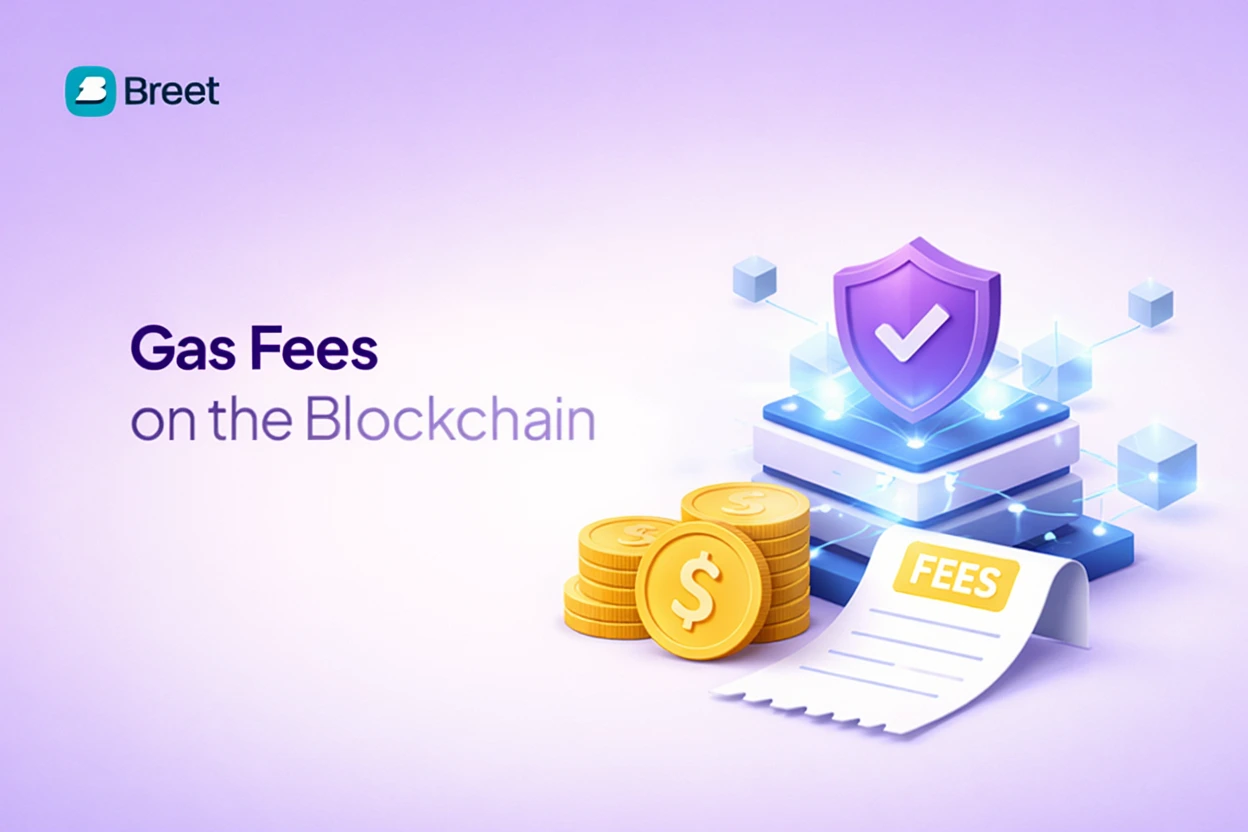
This is exactly how the blockchain works. That extra charge is what we call a gas fee.
You have likely stared at a confirmation screen and wondered why the total cost is higher than the amount you are actually sending. These fees have been the subject of countless debates, technical upgrades, and even a few frustrations over the years.
However, as we move further into this decade, understanding the meaning of the gas fee has become just as essential as knowing how to use an ATM card.
In this comprehensive guide, we will break down the mechanics of blockchain costs, explore why they are a non-negotiable part of the ecosystem, and show you how to navigate it without overpaying.
What Are Gas Fees on the Blockchain?
A gas fee, also referred to as a transaction fee or gas fee, is the incentive provided to these validators.
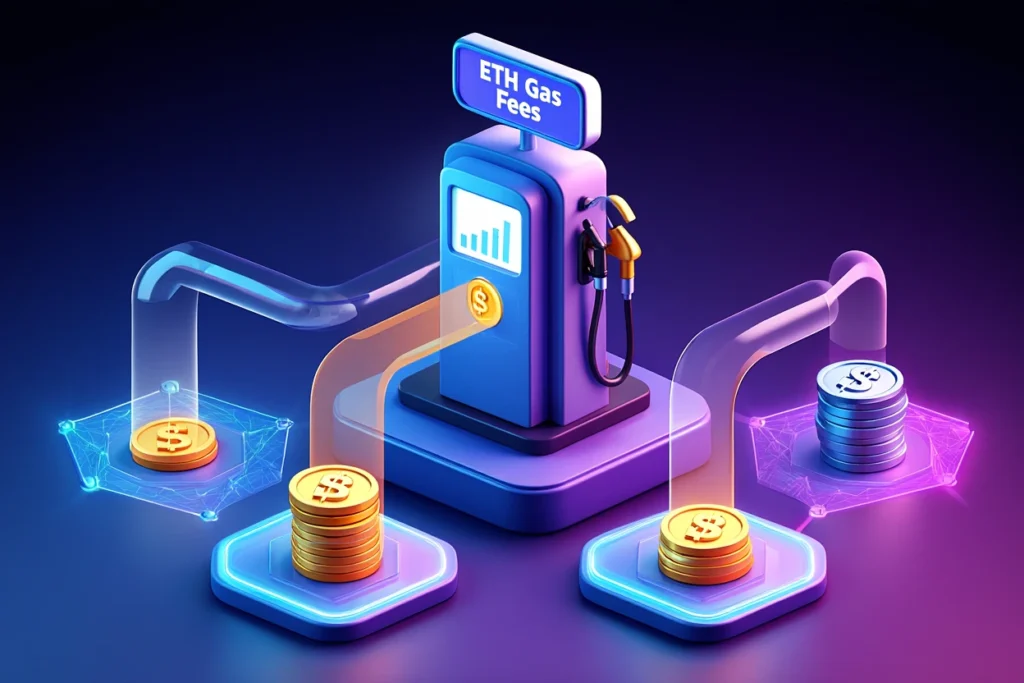
It is the fuel that keeps the decentralized engine turning. Without these fees, there would be no reason for anyone to spend thousands of dollars on high end hardware and electricity to support the network.
In the most straightforward terms, a gas fee is a payment made by a user to the people who keep a blockchain running.
Unlike a traditional bank, where a central corporation owns the servers and pays the staff, a blockchain is decentralized. It is a global network of thousands of independent computers.
These computers, operated by individuals or companies known as miners or validators, perform the heavy computation. They verify that you actually have the money you are trying to send, ensure that you are not trying to spend the same coin twice, and record the transaction forever on the digital ledger.
Related:
- Why is Bitcoin Fee So High? & How to Lower It
Recently, the way we perceive these fees has shifted. In the early days, fees were seen as a technical hurdle. Today, with the integration of crypto into mainstream finance, fees are viewed more like the processing charges you might see on a credit card statement, though with a key difference.
On the blockchain, you are the one who gets to decide how much you want to pay based on how fast you want the transaction to go.
Why Gas Fees Are Necessary
People always wonder, if crypto is supposed to be the future of money, why can it not be free? While the idea of a fee-free world is attractive, the reality is that fees are the only thing standing between a secure, functional blockchain and total digital chaos.
1. Incentivizing the Custodians of the Network
As mentioned, blockchains rely on validators. In 2026, the competition to be a validator is fierce. These participants invest in massive server farms and sophisticated cooling systems.
The gas fee is basically their salary. It is the economic reward that ensures the network remains decentralized. If there were no fees, only a few massive corporations would have the resources to run the network for free, which would lead us right back to the centralized banking system we are trying to improve.
2. A Shield Against Spam
Imagine if every email you sent cost exactly 0.01 cent. You probably would not mind paying it for your daily correspondence, but a person trying to send a billion spam emails a day would suddenly find their hobby very expensive.
The blockchain works on the same principle. If transactions were free, a malicious actor could flood the network with millions of tiny, useless transactions.
This would clog the ledger, making it really hard for legitimate users to move their funds. Fees act as a filter, ensuring that every piece of data added to the blockchain has a clear economic purpose.
3. Securing the Infrastructure
Fees also contribute to the overall security of the network. In Proof of Work systems like Bitcoin, the higher the total fees and block rewards, the more miners are attracted to the network.
This increases the total hash power, making it mathematically impossible for a hacker to seize control of the chain. Even in Proof of Stake systems like Ethereum, the fee structure helps manage the supply of the coin and rewards those who act honestly to protect the ledger.
Related:
- Proof of Stake vs Proof of Work: Key Differences & Examples
4. Maintaining Decentralized Order
Without a central authority like a bank manager to decide which transaction is more important, the blockchain needs a fair, automated way to prioritize tasks. The fee market is that system. It allows the network to function as a meritocracy where the most urgent tasks are completed first, creating a self-sustaining economy that does not rely on a single point of failure.
How Gas Fees Are Calculated
Calculations for gas fees for crypto users can seem like a mystery, but they follow a very specific logic of supply and demand. These days, most wallets have become excellent at predicting these costs, but knowing the math behind it can prevent you from making expensive mistakes.
At its core, the gas fee you pay is determined by two main factors:
- The amount of data or computational work the transaction requires.
- The current demand for space on the network.
On Ethereum, this is often expressed as: Gas Units x Gas Price.
Understanding Gas Units and Complexity
Not every transaction is equal. A simple wallet-to-wallet transfer of Bitcoin or Ethereum takes up a small amount of space in a block. However, if you are performing a complex swap on a decentralized exchange, the transaction contains much more data and requires more calculations. This means you will use more gas units.
The Impact of Network Congestion
This is where the price can fluctuate wildly. Each block on a blockchain has a maximum capacity. Think of it like a bus with only 50 seats. If there are only 40 people at the bus stop, everyone gets a seat for the base price. But if there are 500 people at the bus stop, the bus driver will take the 50 people who offer to pay the most.
In times of high market volatility, such as when a major coin hits a new all-time high or a big news event drops, thousands of people rush to move their money at once. This causes the gas price to spike.
Dynamic vs. Fixed Fees
While some smaller, newer blockchains attempt to offer fixed fees, the industry standard remains dynamic. This is because a fixed fee cannot adapt to the changing needs of the network. A dynamic fee ensures that even during a crisis, the network keeps moving for those willing to pay the market rate.
Related:
- USDT TRC20 Contract Address: What is it & How to Find it?
Gas Fee Differences Across Popular Blockchains
If you are trying to save money, choosing the right blockchain is just as important as choosing the right time to send your money.
Bitcoin Gas Fees
Bitcoin remains the most expensive and slowest network for a reason: it is the most secure. Because Bitcoin prioritizes security and decentralization above all else, its block space is extremely limited.
- Fee Status: Generally high, ranging from 2 to 10 dollars depending on the mempool congestion.
- Best Use Case: Large value transfers where security is more important than speed.
Ethereum Gas Fees
Ethereum has undergone massive transformations since 2024. With the full implementation of the Pectra and Fusaka upgrades, the main Ethereum network (Layer 1) has become a settlement layer for big institutions.
- Fee Status: Moderate to high on Layer 1 (5.00 to 20.00 dollars), but low on Layer 2 networks like Arbitrum, Optimism, and Base (often less than 0.10 cents).
- Best Use Case: Complex smart contracts on Layer 1, everyday trading and dApps on Layer 2.
Solana Gas Fees
Solana dominates the retail market due to its incredible speed and near-zero costs. It uses a unique consensus mechanism that allows it to process transactions in parallel.
- Fee Status: Extremely low, often around 0.00025 dollars.
- Best Use Case: Micro-payments, gaming, and high-frequency trading.
BNB Chain Gas Fees
The BNB Chain remains a popular middle ground, offering low fees and high compatibility with Ethereum-based tools. Meanwhile, newer chains like Monad or Sui are pushing the boundaries of how cheap a transaction can actually be while remaining decentralized.
Read Also:
How to Reduce Gas Fees
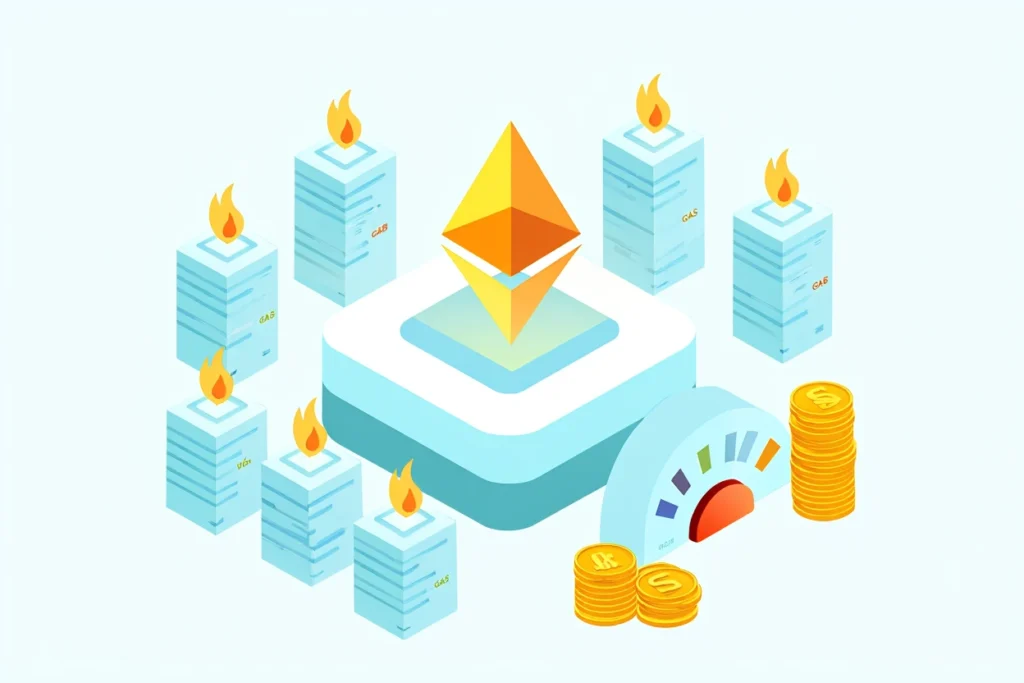
Nobody likes to pay more than they have to. If you are tired of seeing a large chunk of your crypto disappear into fees, here are the professional strategies to be fee efficient.
1. Timing is Everything
The blockchain never sleeps, but it does have quiet periods. Usually, when the major financial hubs in the US and Europe are asleep, network traffic drops.
Late nights and weekends are historically the cheapest times to move your assets. Before you hit send, check a gas tracker. If the current Gwei price is at a weekly high, wait an hour or two. You could save 50 percent of your fee just by being patient.
2. Move to Layer 2
If you are still doing all your trading on the Ethereum mainnet, you are overpaying. There is almost no reason for a retail user to avoid Layer 2 solutions.
These networks bundle hundreds of transactions into one and then settle them on Ethereum. You get the same security but share the cost with thousands of other users. Networks like Base and Arbitrum are now integrated with most major exchanges and wallets.
3. Use the Lightning Network for Bitcoin
If you are sending small amounts of Bitcoin, do not send them on-chain. The Lightning Network is a second layer for Bitcoin that allows for nearly instant transactions for a fraction of a cent. Most modern wallets support this feature now, making Bitcoin practical for daily spending for the first time.
4. Manually Adjust Your Gas Limit
Most wallets will suggest a gas price for you. Usually, they suggest a high price to ensure the transaction goes through quickly. If you are not in a rush, you can manually lower this price. Just be careful: if you set it too low, your transaction might get stuck in the waiting room for hours or even days.
5. Batch Your Actions
Instead of sending five separate transactions to different people, see if your wallet or platform supports batching. By combining multiple actions into a single transaction, you only pay the base network fee once. This is a favorite trick of professional traders and businesses.
Related:
Conclusion on Gas Fees
Understanding the network fee’s meaning is about more than just knowing why a transaction costs money. It is about understanding the mechanics of the new digital economy.
These fees are the price of freedom. The cost of having a financial system that is secure, global, and owned by no one.
By choosing the right blockchains, timing your transactions strategically, and utilizing modern Layer 2 solutions, you can minimize these costs and keep more of your money where it belongs: in your pocket.
As technology continues to evolve, we expect these fees to become even more efficient and transparent.
At Breet, we are dedicated to making your crypto journey as smooth as possible. We keep you informed so that every move you make is backed by knowledge and authority.
Ready to trade crypto without the stress of P2P or the confusion of complex fees?
Download the Breet app today and experience the fastest, most reliable way to convert your crypto to cash or buy stablecoins in Africa.
Frequently Asked Questions About Gas Fees in Crypto
Do You Pay Gas Fees to Receive Crypto?
In most cases, you do not pay gas fees to receive crypto. The sender is responsible for paying the transaction fee required to process and confirm the transfer on the blockchain. However, some wallets or platforms may charge small service fees, but these are separate from network gas fees.
Why Are Crypto Gas Fees So High?
Gas fees become high when there is network congestion and many users are trying to process transactions at the same time. On blockchains like Ethereum, users compete by offering higher fees to get their transactions processed faster. Complex transactions, such as smart contracts or NFT interactions, also require more computational power, increasing the cost.
How to Calculate Gas Fee?
Gas fees are calculated based on the amount of computational work required and the gas price at the time of the transaction. The formula is typically: Gas Fee = Gas Limit × Gas Price. Gas price fluctuates depending on network demand, so the total fee changes in real time.
How to Avoid Crypto Gas Fees?
You cannot completely avoid gas fees, but you can reduce them by trading during off-peak times, using blockchains with lower fees, or choosing layer-2 solutions. Some wallets also allow you to set lower fees, but this may result in slower transaction confirmation.
Who Receives Crypto Gas Fees?
Gas fees are paid to miners or validators who process and validate transactions on the blockchain. For example, on Bitcoin, miners receive transaction fees, while on proof-of-stake networks like Ethereum, validators earn the fees for securing the network.
Which Crypto Has No Gas Fees?
Most cryptocurrencies have some form of transaction fee, but a few networks offer very low or near-zero fees. However, “no gas fee” systems often use alternative models like sponsorship or centralized validation. It’s important to understand that fees are usually necessary to maintain network security.
How Much Is a $1000 Bitcoin Transaction Fee?
The fee for sending $1000 worth of Bitcoin does not depend on the amount sent but on network conditions and transaction size. Typically, Bitcoin fees can range from a few cents to several dollars. During congestion, fees may rise significantly regardless of the transaction value.
Can I Pay Gas Fees With USDT?
No, gas fees are usually paid in the native cryptocurrency of the blockchain. For example, on the Ethereum network, fees must be paid in ETH, even when sending tokens like Tether (USDT). Each blockchain requires its own native token for gas.
Why Do Users Pay Gas Fees?
Users pay gas fees to compensate miners or validators for processing transactions and securing the blockchain network. These fees also help prevent spam and ensure that only valid transactions are prioritized. Without gas fees, blockchain networks would become inefficient and vulnerable.
How Much Is the TRC20 Fee?
TRC20 fees on the Tron network are generally very low compared to other blockchains. In many cases, transactions cost just a small fraction of a dollar or can even be free if you have sufficient network resources like bandwidth or energy. This makes Tron a popular choice for low-cost transfers.
What Happens If I Don’t Pay Enough Gas Fee?
If you set a gas fee that is too low, your transaction may remain pending for a long time or fail entirely. In some cases, it may be dropped from the network. You may need to resend the transaction with a higher fee to get it processed.
Can I Get a Refund on Gas Fees?
Gas fees are generally non-refundable once a transaction is processed, even if it fails. This is because the computational work has already been done by the network. Always review transaction details carefully before confirming to avoid unnecessary costs.
Why Did I Lose My Fee Even Though the Transaction Failed?
When a transaction fails, perhaps because you did not provide enough gas or a smart contract error occurred, the validators still had to do the work to process that failure. They spent their computing power and electricity to find out the transaction could not be completed. Because they did the work, they are entitled to the fee. Always double-check your settings before confirming a complex trade.
Does the Size of My Transaction Affect the Gas Fee?
On Bitcoin, yes. The fee is based on the data size in bytes. On Ethereum, the fee is based on the complexity of the task. Interestingly, sending 1,000,000 dollars usually costs the same as sending 10 dollars if the transactions are identical in complexity. This makes crypto significantly cheaper than traditional bank wires for large sums of money.
Do I Always Need the Native Coin to Pay for Gas Fees?
In most cases, yes. To send a token on the Ethereum network, you must have some ETH in your wallet to pay the gas. To move a coin on the Solana network, you need SOL. However, in 2026, we are seeing the rise of account abstraction, which allows some wallets to pay fees using the stablecoins you are actually sending. This is a major step forward for making crypto easier to use for everyone.