- What is a Blockchain Explorer?
- Why You Should Confirm Crypto Transactions
- How to Use a Blockchain Explorer to Confirm a Transaction
- Common Issues When Checking Crypto Transactions
- Conclusion on How to Use a Blockchain Explorer to Confirm Transactions
- Frequently Asked Questions (FAQs) on How To Use Blockchain Explorers to Confirm Transactions
Here’s how to use a Blockchain explorer.
When you send or receive cryptocurrency, the transaction does not simply disappear into a wallet. Instead, it is recorded permanently on the blockchain.
But how can you verify that a transaction has actually been completed?
That is where a blockchain explorer comes in.
A blockchain explorer allows anyone to view transactions, wallet addresses, block confirmations, and other data on a public blockchain network.
If you are sending crypto to someone, receiving payment, or checking the status of a transfer, learning how to use a blockchain explorer can help you confirm that everything went through correctly.
In this guide, we will explain what a blockchain explorer is, why confirming transactions matters, and how you can use a blockchain explorer to verify your crypto transactions step by step.
Related:
- How to Fix Bitcoin Unconfirmed Transactions (Step-by-Step)
What is a Blockchain Explorer?
A blockchain explorer is a web-based tool that allows users to view and search data recorded on a blockchain network. Since most blockchains are public and transparent, explorers provide a way for anyone to access this information easily.
Think of a blockchain explorer as a search engine for blockchain data. Instead of searching for websites or articles, you search for transaction records, wallet addresses, and blocks.
When a cryptocurrency transaction is made, it is broadcast to the blockchain network. Once the network validates the transaction, it is included in a block and permanently recorded. A blockchain explorer allows users to see these details in real time.
Using a blockchain explorer, you can check transaction status, wallet addresses involved in a transfer, the amount of cryptocurrency sent, transaction fees, block confirmations and the time the transaction occurred
Different blockchains have their own explorers. For example, Bitcoin transactions are viewed on Bitcoin explorers, while Ethereum transactions are viewed on Ethereum explorers. These tools make blockchain activity transparent and verifiable for everyone.
Why You Should Confirm Crypto Transactions

Confirming a transaction on the blockchain is an important step whenever you send or receive cryptocurrency. Unlike traditional banking systems, crypto transactions cannot be reversed once they are confirmed. Because of this, verifying transactions is very crucial and here’s why:
- Validity of Payment or Transaction
One major reason to confirm a transaction is to ensure that a payment has actually been processed. Sometimes wallets show a transaction as “sent,” but it may still be waiting for confirmation on the blockchain. Checking the transaction on a blockchain explorer allows you to see whether it has been validated by the network.
- Review Transaction Details
Another reason to verify transactions is to confirm that funds were sent to the correct wallet address. Cryptocurrency transfers are irreversible, so sending funds to the wrong address can result in permanent loss. By reviewing the transaction details on a blockchain explorer, you can double-check that the correct address received the funds.
- Detect potential scams
Blockchain explorers also help users detect potential scams. If someone claims to have sent a payment, you can request the transaction hash and verify it on the blockchain. If the transaction does not appear, it likely was never sent.
- Track delays or network congestion
Confirming transactions helps you to track delays or network congestion. Some transactions take longer to process depending on the blockchain network and the fees attached to the transaction.
Related:
How to Use a Blockchain Explorer to Confirm a Transaction
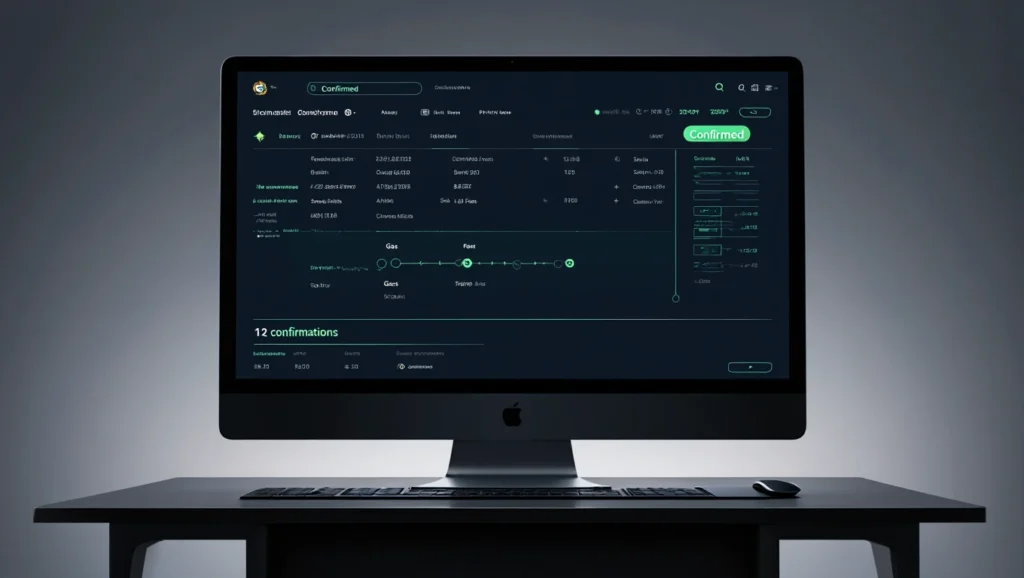
Checking a crypto transaction using a blockchain explorer is straightforward. Most explorers follow the same process, regardless of the blockchain network. Below is a simple step-by-step guide.
1. Copy the Transaction Hash (TXID)
The first step to confirm a crypto transaction with Blockchain explorer is to obtain the transaction hash, also known as the TXID. This is a unique identifier assigned to every blockchain transaction.
You can usually find the TXID in your wallet or exchange after sending or receiving crypto. It often appears in the transaction history section.
2. Visit a Blockchain Explorer
Next, open a blockchain explorer that supports the network used for your transaction. Each blockchain has its own explorer.
For example: Bitcoin transactions require a Bitcoin explorer, Ethereum transactions require an Ethereum explorer and Tron transactions require a Tron explorer. Using the correct explorer is important because transactions only exist on the network where they were processed.
4. Paste the TXID Into the Search Bar
Once you open the explorer, locate the search bar. Paste the transaction hash (TXID) into the search field and press enter. The explorer will then retrieve all the information associated with that transaction.
5. Review the Transaction Details
After searching for the TXID, the explorer will display several details about the transaction.
These usually include: Number of confirmations, sender wallet address, recipient wallet address, amount sent, transaction fee and timestamp. Reviewing these details allows you to confirm whether the transaction has been completed successfully.
Understanding the Key Details in a Transaction
When you search a transaction on a blockchain explorer, several technical terms may appear. Understanding these terms will help you interpret the information correctly.
- Transaction Hash (TXID)
The transaction hash is a unique string of characters that identifies a specific transaction on the blockchain. No two transactions share the same TXID. Think of it as a receipt number for your crypto transaction. Anyone with the TXID can verify the transaction on the blockchain.
- Block Confirmations
A confirmation occurs when a transaction is included in a block and additional blocks are added after it. Each new block increases the number of confirmations, making the transaction more secure and irreversible. Most networks require multiple confirmations before considering a transaction fully complete.
- Gas or Transaction Fees
Transaction fees are paid to the network to process and validate a transaction. On some blockchains, such as Ethereum, these fees are referred to as gas fees. Higher fees often result in faster processing times because miners or validators prioritize transactions with higher rewards.
- Timestamp
The timestamp shows the exact time a transaction was recorded on the blockchain. This helps users verify when a transaction occurred and track how long it took to receive confirmations.
- Sender and Recipient Addresses
These fields display the wallet addresses involved in the transaction..The sender address indicates where the funds came from, while the recipient address shows where the funds were sent. Reviewing these addresses ensures that funds reached the correct destination.
Related:
- What are Crypto Network Fees? All You Need to Know
Common Issues When Checking Crypto Transactions

Sometimes when checking transactions on a blockchain explorer, you may encounter certain issues. Understanding these situations can help you determine what went wrong and how to fix it.
1. Transaction Pending or Unconfirmed
A transaction may appear as pending if it has not yet been included in a block. This usually happens during periods of network congestion. In most cases, the transaction will eventually be confirmed once the network processes it. If the fee was too low, it may take longer than usual.
2. Incorrect Network Use
Another common issue occurs when crypto is sent using the wrong blockchain network. For example, sending tokens using the wrong network can prevent the transaction from appearing on the intended explorer. Always confirm that both the sender and recipient wallets support the same network before transferring funds.
3. Delayed Confirmations
Some blockchains take longer than others to process transactions. Delays may also occur during periods of high activity when many users are sending transactions at the same time. Checking the number of confirmations on the blockchain explorer can help you determine whether the transaction is progressing.
4. Wrong Wallet Address
If a transaction was sent to the wrong wallet address, it may still appear on the blockchain but cannot be reversed. This highlights the importance of verifying wallet addresses before sending cryptocurrency.
Read Also:
- Why is Bitcoin Fee So High? & How to Lower It
Conclusion on How to Use a Blockchain Explorer to Confirm Transactions
A blockchain explorer is one of the most useful tools for anyone using cryptocurrency. It allows users to verify transactions, track payments, and view detailed blockchain activity in real time.
Learning how to use a blockchain explorer gives you greater control and transparency over your crypto transactions. Instead of relying solely on wallet notifications, you can independently confirm that funds were sent, received, and validated by the network.
Don’t Miss:
Frequently Asked Questions (FAQs) on How To Use Blockchain Explorers to Confirm Transactions
Why Is My Transaction Unconfirmed on Blockchain?
A transaction is unconfirmed when it has been broadcast to the blockchain network but has not yet been included in a block. This usually happens due to low transaction fees, which make miners or validators prioritize other transactions first. Network congestion; when many users are sending transactions at the same time, can also delay confirmations. Until it is confirmed, the transaction remains pending in the queue.
How Long Does It Take for Blockchain to Confirm a Transaction?
Confirmation times vary depending on the blockchain, transaction fees, and network activity. For example, Bitcoin transactions typically take about 10–60 minutes under normal conditions. However, during periods of high demand, it can take several hours or even longer. Paying higher fees usually results in faster confirmations because miners prioritize those transactions.
What Does an Unconfirmed Transaction Mean?
An unconfirmed transaction means it has been sent to the blockchain network but has not yet been verified or added to a block. At this stage, the transaction is still pending and not considered final. It can still be delayed, replaced, or dropped depending on network conditions. Once confirmed, it becomes permanent and cannot be reversed.
Where Are Unconfirmed Transactions Stored Before Being Confirmed?
Unconfirmed transactions are stored in a temporary pool known as the mempool (memory pool). This is where all pending transactions wait before being selected by miners or validators. Each node on the network maintains its own version of the mempool. Transactions with higher fees are usually picked first from the mempool for confirmation.
How to Cancel an Unconfirmed Transaction on Blockchain?
Most blockchain transactions cannot be directly canceled once they are broadcast. However, in some cases, you can use methods like Replace-by-Fee (RBF) to resend the transaction with a higher fee, which may overwrite the original. Another option is to wait for the transaction to expire and be dropped from the network. Not all wallets support these features, so availability depends on the platform used.
How Long Can a Transaction Be Pending on Blockchain?
A transaction can remain pending anywhere from a few minutes to several days. The duration largely depends on the transaction fee and how congested the network is at the time. If the fee is too low, miners may ignore the transaction for a long period. In extreme cases, the transaction may never be confirmed and could eventually be removed from the mempool.
Can Blockchain Cancel Pending Transactions?
No, blockchain networks do not have a built-in mechanism to cancel transactions once they are broadcast. Transactions are either confirmed by miners or eventually dropped if they remain unprocessed for too long. The decentralized nature of blockchain means no single authority can reverse or cancel a transaction. Users must rely on workarounds like fee replacement if supported.
Why Is My Transaction Still Pending After 4 Days?
If your transaction is still pending after several days, it is likely due to very low fees or heavy network congestion. Miners prioritize transactions that offer higher rewards, leaving low-fee transactions stuck in the mempool. In some cases, the transaction may eventually be dropped by the network. You may need to use tools like transaction acceleration or fee replacement to resolve it.
How Long Does Blockchain Hold Your Money?
Blockchain does not actually “hold” your money in a central place. Instead, your funds remain associated with your wallet address but are temporarily locked during the transaction process. Until the transaction is confirmed, the funds cannot be spent again. Once confirmed, the funds are transferred to the recipient’s address on the blockchain.
Will Blockchain Refund My Money?
No, blockchain transactions are generally irreversible once confirmed. This means there is no automatic refund system like in traditional banking. If you send funds to the wrong address, the only way to recover them is if the recipient chooses to send them back. This is why it’s important to double-check transaction details before sending.
Can a Transaction Get Stuck on the Blockchain?
Yes, a transaction can appear “stuck” if it remains unconfirmed for an extended period. This usually happens when the transaction fee is too low compared to current network demand. While it may seem stuck, it is actually waiting in the mempool for confirmation. Eventually, it will either be processed or dropped from the network.
Why is my Crypto Transaction Showing as Pending?
A crypto transaction may appear as pending if it has not yet been confirmed by the blockchain network. This usually happens when the network is busy or when the transaction fee is too low. Once miners or validators process the transaction, it will receive confirmations and become complete.
Why Won’t Blockchain Release My Money?
If your funds seem stuck, it’s usually because the transaction has not yet been confirmed by the network. This can happen due to low fees or congestion, which delays processing. The blockchain itself is not withholding your money; it is simply waiting for the transaction to meet confirmation criteria. Once confirmed, the funds will move to the recipient as intended.
Can a Blockchain Explorer show the Owner of a Wallet Address?
No, a blockchain explorer typically does not reveal the identity of a wallet owner. It only shows the wallet address and transaction history. Because blockchain networks are pseudonymous, personal identities are not directly linked to wallet addresses.
Are Blockchain Explorers Free to Use?
Yes, most blockchain explorers are completely free. Anyone can access them online to search for transactions, check wallet addresses, and view blockchain data without creating an account.