- Do Nigerian Banks Accept Cryptocurrency?
- Why Nigerian Banks Restrict Cryptocurrency Transactions
- How Nigerians Buy and Sell Crypto in 2026
- 3. Over-the-Counter (OTC) Trading
- Can You Withdraw Crypto to a Nigerian Bank Account?
- How Breet Comes In
- Frequently Asked Questions About Nigerian Banks Accepting Cryptocurrency
If you have ever tried to move money between a crypto platform and your bank account, you may notice that most times, the process is not straightforward.
This is because there are regulations that affect how traditional banks work with these platforms. Many Nigerians use crypto to send and receive payments lately.
There is one question many people still ask though: “Do Nigerian banks accept cryptocurrency?”
To answer the question straightforwardly, Nigerian banks do not directly support crypto transactions. However, Nigerians can still buy, sell and withdraw crypto using other methods.
In this article, we will explain how crypto works with Nigerian banks, why banks restrict crypto transactions and how Nigerians still convert crypto to Naira.
Related:
Do Nigerian Banks Accept Cryptocurrency?
Nigerian banks generally do not directly accept or process cryptocurrency transactions. This means you cannot send Bitcoin, Ethereum or any other cryptocurrency directly to a Nigerian bank account. Banks in Nigeria are not allowed to hold, trade or transact in cryptocurrencies on their own accounts.
In December 2023, the Central Bank of Nigeria (CBN) introduced new guidelines that allow banks to work with licensed crypto companies known as Virtual Asset Service Providers (VASPs).
This means banks can provide services such as opening accounts for approved crypto companies. Banks themselves still cannot directly deal with cryptocurrencies.
So while Nigerian banks do not accept crypto directly, Nigerians can still access crypto through crypto exchanges, crypto to cash platforms and peer to peer marketplaces. These platforms help convert cryptocurrency into Naira before sending it to your bank account.
Related:
Why Nigerian Banks Restrict Cryptocurrency Transactions
To understand why banks do not support crypto directly, it helps to know the regulatory background. Let’s look into the 2021 CBN restriction briefly.
The 2021 CBN Restriction
The Central Bank of Nigeria (CBN), in February 2021instructed banks to stop aiding cryptocurrency transactions. They were told to close accounts that were connected to crypto exchanges or crypto trading.
At the time, the CBN said the restriction was necessary because of concerns about money laundering, terrorism financing, lack of regulation and consumer protection risks.
This decision made it difficult for Nigerians to buy crypto directly with their bank accounts. An update on this restriction came two years later
The 2023 Policy Update
In December 2023, the CBN updated its position. Instead of blocking crypto completely, it introduced guidelines that allow banks to provide services to licensed crypto companies, with restrictions though.
According to the guidelines, banks and financial institutions are still prohibited from holding, trading or transacting in cryptocurrencies themselves.
The goal of the new policy was/is to regulate crypto activities without fully banning them. This approach allows the government to monitor crypto businesses while still protecting the banking system.
Top Pick:
- 7 Best Apps to Withdraw Bitcoin to Naira
How Nigerians Buy and Sell Crypto in 2026

How do Nigerians buy and sell crypto? As earlier mentioned, many Nigerians send and receive payments with cryptocurrency. So, even with banking restrictions, Nigeria still has a very large crypto market. Millions of Nigerians still buy and sell cryptocurrency every day. This is possible because users rely on alternative methods instead of banks.
These alternative methods include:
1. Crypto Exchanges
A crypto exchange is a platform where people can buy, sell and trade cryptocurrencies like Bitcoin, Ethereum and altcoins. It works like a marketplace that connects people who want to buy crypto with those who want to sell it.
Some exchanges are run by companies that manage the transactions, while others allow users to trade directly with each other. Crypto exchanges make it easier for people to access and use cryptocurrencies.
Related:
- Top 13 Crypto Exchanges in Nigeria
2. Crypto to Cash Platforms
Crypto to cash platforms are one of the easiest ways to convert crypto to Naira.
These platforms allow users to:
- Send cryptocurrency to the platform
- Sell it for Naira or dollars
- Receive payment directly into their bank account
This method is widely used because it is fast and simple. Platforms like Breet specialize in helping Nigerians convert crypto to cash easily. Instead of trading with other users, the platform automatically converts your crypto and sends the Naira equivalent to your bank account.
3. Over-the-Counter (OTC) Trading
OTC trading is another method Nigerians use to buy and sell crypto. With this method, transactions happen between the user and OTC platform directly, instead of an exchange.
The price is agreed on or fees are made known before the transaction is completed. For instance, a user sends crypto to a platform that offers OTC services, the platform converts and sends the Naira value to the user’s bank account.
Can You Withdraw Crypto to a Nigerian Bank Account?
Yes, you can withdraw crypto to a Nigerian bank account. However, it does not happen directly from the blockchain. Instead, the crypto must first be converted into Naira.
Here is how the process usually works.
1. Send crypto to a platform: First, you send your cryptocurrency to a crypto exchange or crypto to cash platform. This could be Bitcoin, Ethereum, USDT, or other supported cryptocurrencies.
2. Convert crypto to Naira: The platform sells the cryptocurrency and converts it into Naira. The conversion rate depends on the current market price.
3. Withdraw to your bank account: After conversion, the platform sends the Naira directly to your Nigerian bank account. Most withdrawals are processed within minutes or a few hours.
This process is why many Nigerians can still use crypto even though banks do not directly support it.
Related:
- How to Withdraw from Trust Wallet to Nigerian Bank Account
- How to Withdraw from Binance to Nigerian Bank Account
How Breet Comes In
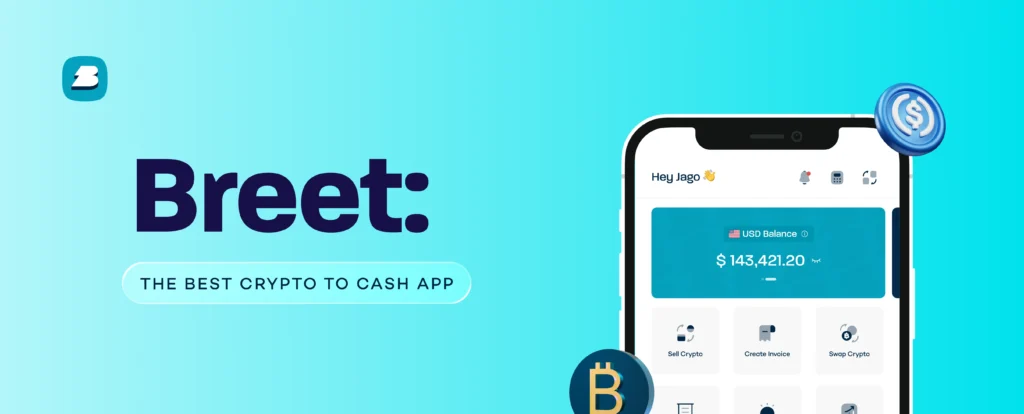
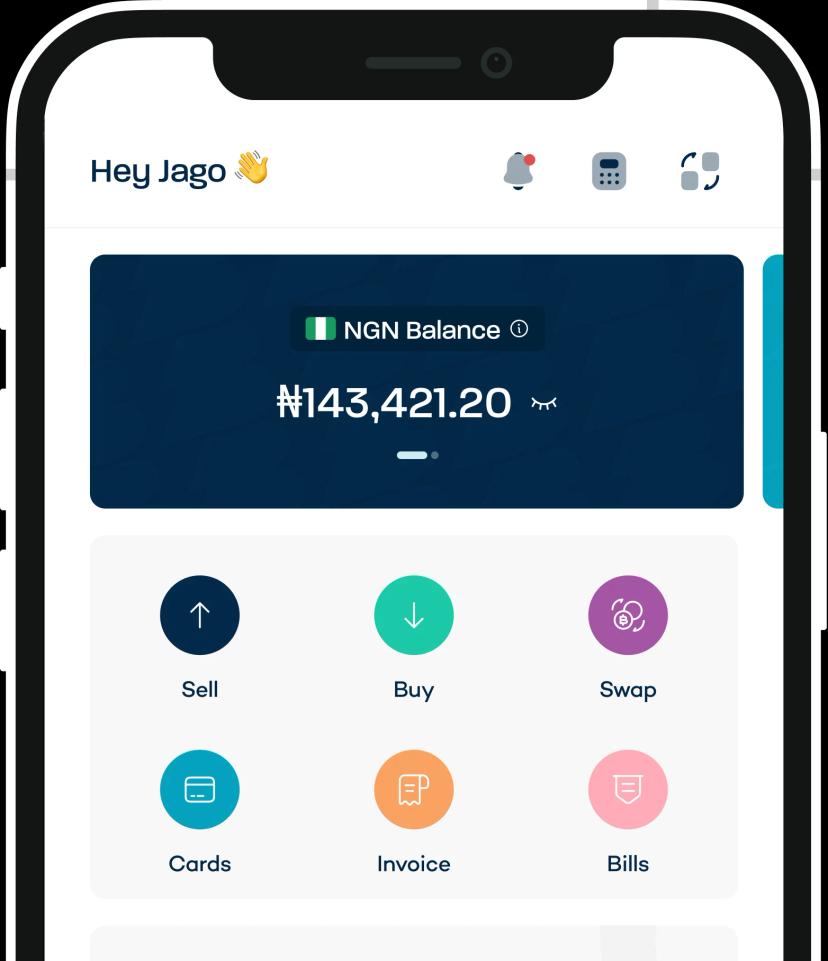
Breet is a crypto to cash platform built specifically for those who want a fast and seamless way to convert crypto to cash. If you want to sell crypto and get paid in Naira or Cedis, then it is worth checking out.
There are many features that make Breet stand out, so instead of stressing over restrictions, you can sell your crypto and get paid within minutes. It supports Bitcoin, Ethereum and popular altcoins. You can also buy USDT and USDC directly on Breet.
Here are features that make it outstanding:
- Fast withdrawals in minutes
- Buy crypto service
- No hidden fees
- Hold in USD feature
- Crypto invoicing
- Crypto swap
- 24/7 customer support
Don’t Miss:
Conclusion
Nigeria’s approach to cryptocurrency is gradually changing. Instead of completely blocking crypto activities, regulators are now focusing on creating rules for crypto companies.
By allowing licensed crypto service providers to operate bank accounts, the government can better monitor the industry. Over time, this could lead to more structured regulations and better protection for users.
For now, Nigerian banks still do not directly accept cryptocurrency. Most crypto transactions will continue to go through exchanges and crypto to cash platforms like Breet.
Frequently Asked Questions About Nigerian Banks Accepting Cryptocurrency
Do Nigerian Banks Allow Crypto Transactions?
No, Nigerian banks do not directly process cryptocurrency transactions. However, banks can provide services to licensed crypto companies under regulatory guidelines.
Is Cryptocurrency Banned in Nigeria?
No, cryptocurrency is not banned. Nigerians can still buy, sell, and hold crypto, but banks cannot directly trade or process cryptocurrency transactions.
Can I Withdraw Bitcoin to my Nigerian Bank Account?
Yes. You can withdraw Bitcoin to a Nigerian bank account by first converting it to Naira using a crypto exchange or crypto to cash platform.
What is the Easiest way to Convert Crypto to Naira in Nigeria?
The easiest way is to use a crypto to cash platform like Breet. The platform automatically convert your cryptocurrency to Naira and sends the money to your bank account in minutes.