- 1. Only 69% of P2P trades paid the exact amount
- 2. The fastest payout took 1 minute. The slowest took 86.
- 3. Roughly 1 in 6 P2P trades involved a fraud attempt
- 4. But the rates really are better, 85% of the time
- 5. Nigerians use P2P heavily, but they do not trust it
- 6. P2P is trader-dependent, not system-controlled
- So, is P2P safe in Nigeria?
Everyone in Nigeria has an opinion on whether P2P is safe. Very few have data.
So we went and got some. We sent 30+ people into Nigeria’s P2P market with real money, recorded 100+ live trades across five platforms, and analysed 20,000+ tweets from Nigerian traders. The full breakdown, every chart, case study, and screenshot, lives in our report, The State of P2P in Nigeria. Every figure in this article comes from there.
We are not going to reprint the whole report here. Instead, here are the six findings that actually answer the question “is P2P safe?”, and, more usefully, what each one means for you and for the wider Nigerian crypto market.
1. Only 69% of P2P trades paid the exact amount
Across our 100+ trades, just 69% of them paid users the full amount they were promised. The other 31% came up short, sometimes by kobo, sometimes by hundreds of naira, and not one of those gaps was flagged automatically by the platform.
What it means: P2P has a quiet tax that nobody advertises. A missing ₦12 feels like nothing on one trade. But scale it: a vendor running 500 trades a day “forgetting” that kobo pockets millions a year, out of everyday users’ pockets.
On P2P, the displayed rate is a suggestion, not a promise. If you care about the exact figure, you have to police every single trade yourself.
2. The fastest payout took 1 minute. The slowest took 86.
Speed on P2P is not a number; it is a range. Our fastest trade landed in 1 minute. Our slowest took 86 minutes. And the difference had almost nothing to do with which platform we used, and almost everything to do with whether the person on the other end was awake, honest, and paying attention.
What it means: You cannot plan around P2P. When it is fast, it is genuinely faster than anything else. When it is slow, you are stuck refreshing your bank app and messaging “boss, I dey wait” into silence.
For anyone using crypto for real cash flow, a payout window of “1 to 86 minutes” is not a schedule. It is a gamble with a polite interface.
Download the state of crypto P2P research.
3. Roughly 1 in 6 P2P trades involved a fraud attempt
We recorded fraud or clearly suspicious behaviour in 17.5% of all transactions. The tactics were not sophisticated. They were simple, repeatable plays: marking a trade “paid” before sending money, sending a fake alert, negotiating a “small deduction” after the fact, or trying to pull the chat off-platform.
What it means: Fraud on P2P is not a rare glitch; it is a feature of the model. When a system connects two strangers and asks them to trust each other, some strangers will always try their luck. The platforms know the patterns. They just can’t prevent them, only react after the fact. So the defence falls to you, on every trade, forever. (The report documents the recurring patterns in full, if you want to learn to spot them.)
4. But the rates really are better, 85% of the time
Here is the part P2P critics skip. In our data, P2P rates beat automated platforms about 85% of the time. That is not a rounding error. That is the single reason millions of Nigerians tolerate everything in findings 1 through 3.
What it means: P2P is not “bad.” It is a genuine market, and markets reward the people who work them. That competitive rate is real value, especially when the naira is moving and every extra point matters. The honest trade-off is this: P2P sells you a better rate in exchange for risk and effort. Whether that is a good deal depends entirely on how much risk and effort you can stomach.
5. Nigerians use P2P heavily, but they do not trust it
The 20,000+ tweets told a clearer story than any single trade could. The dominant emotions were anger, fear, and exhaustion. “Suspicious vendors” alone drew over 3,000 mentions. The most viral posts were scam-warning threads and calls to ban P2P outright.
What it means: There is a trust gap at the centre of Nigeria’s biggest crypto channel. People rely on P2P daily and warn each other about it in the same breath. That is why the ecosystem has built its own informal security system: community threads, vendor blacklists, “only trade with 100% ratings” advice, to patch what the platforms don’t.
A market that runs on user-generated warnings is a market with a structural problem, not a user problem.
6. P2P is trader-dependent, not system-controlled
Every finding above points to one root cause. Your P2P experience is decided by the individual stranger you happen to match with, not by the platform itself. The platform is just the venue. The person is the product.
What it means: “Is P2P safe?” is the wrong question. The honest answer is “safe for whom?” For an experienced trader who knows the red flags, only touches top-rated vendors, and checks their bank before releasing, P2P works and pays well.
For a beginner, a busy person, or anyone who just wants their money to land without wahala, it is a stressful bet. The safety isn’t in the system. It’s in your own vigilance, which is a heavy thing to ask of everyone, every time.
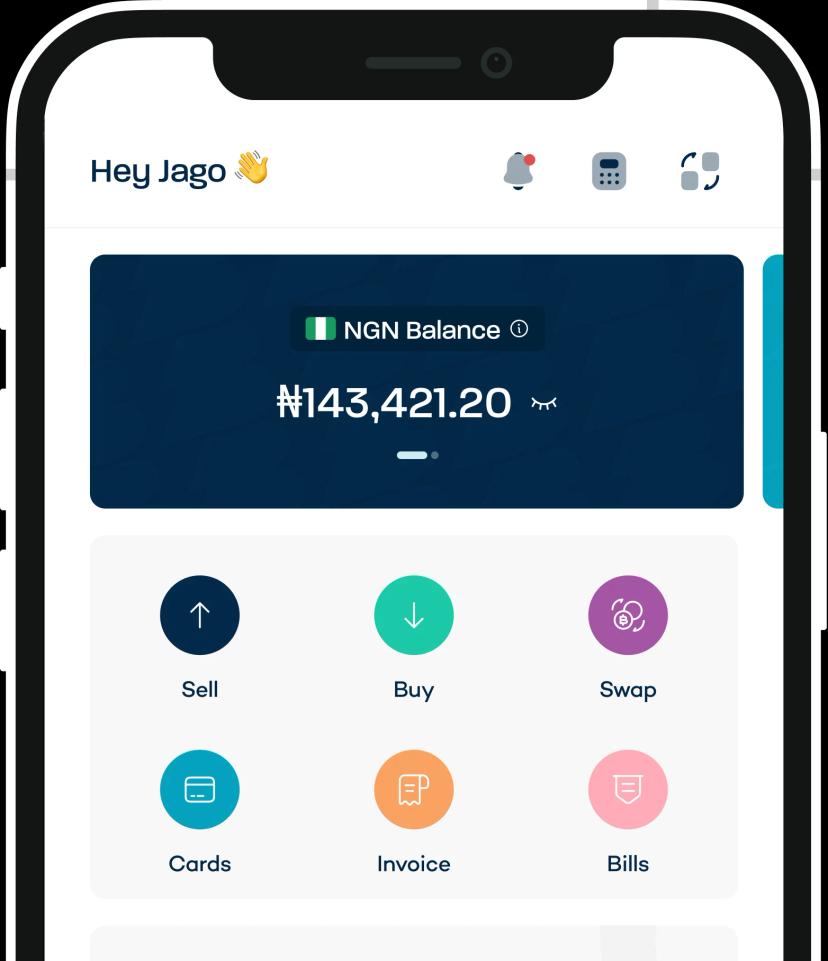
That gap is exactly why automated alternatives like Breet exist: same goal, crypto to naira, but you transact with a system that pays the exact amount every time, instead of a stranger who might. Different tools for different people. Both will keep existing.
So, is P2P safe in Nigeria?
It works, until it doesn’t, and which one you get depends on the mood of the seller, not the market. About two-thirds of trades go smoothly. The other third is where the horror stories come from.
If you know what you’re doing and you want the best rate, P2P has a place. If you want certainty, there are calmer ways to cash out.
These six findings are the surface. The full study goes deep into the scam patterns, the platform-by-platform data, the case studies, and the Twitter sentiment analysis. It is free to read: The State of P2P in Nigeria.
Breet is a cryptocurrency conversion platform serving Nigeria and Ghana. We ran this research because we get compared to P2P constantly, and we would rather answer with data than marketing. Read the full P2P report.