
You have Bitcoin, and you need actual money: rent money, restock-the-shop money, pay-the-supplier money. There are a few ways to do it.
You can sell on a centralized exchange, sell peer-to-peer, sell at a Bitcoin ATM, sell through a wallet app, or sell through a direct conversion platform, which is the route this guide walks you through.
Why that one?
Because for a reader who banks in Lagos or Accra, the other routes break at the same two points: either a stranger stands between you and your money (P2P scams, chargebacks, and frozen accounts), or the payout rail can’t reach your bank at all, since Binance shut its naira services and the global exchanges pay out in dollars you can’t withdraw. A direct conversion platform removes both.
How to sell Bitcoin on Breet, step by step
The direct route in full: send your Bitcoin, it converts automatically at a rate you saw, and naira or cedis land in your bank. In Nigeria and Ghana, Breet is a cryptocurrency conversion platform built for exactly this.
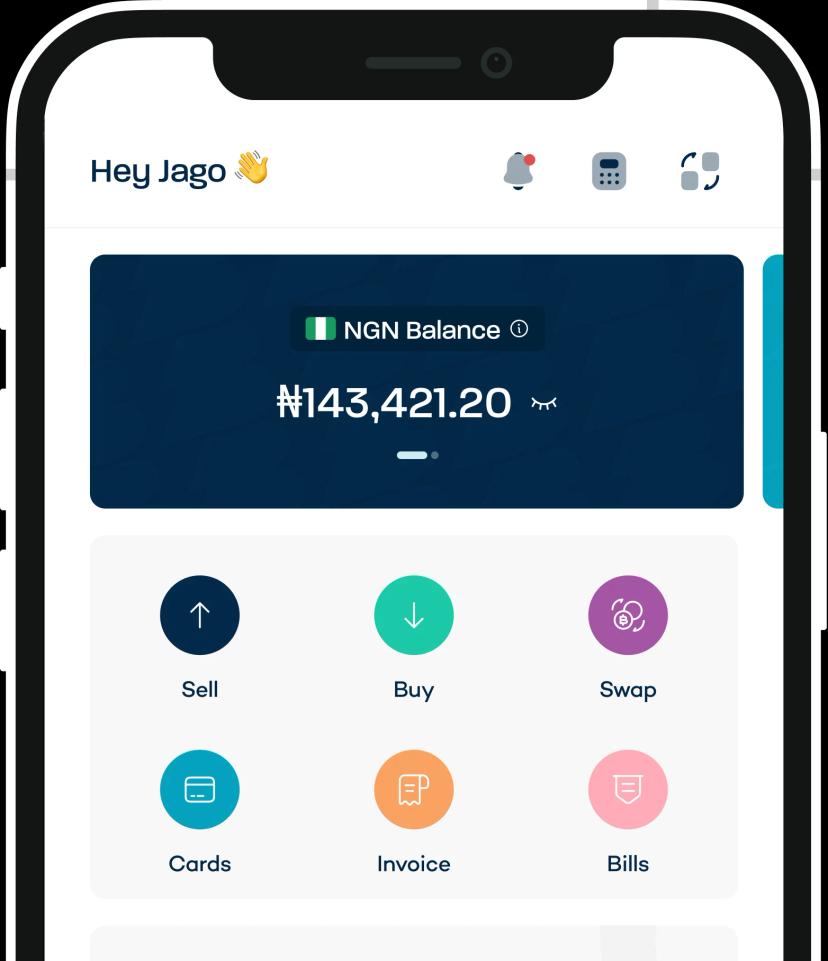
- Register at dashboard.breet.io. It’s free, and your wallet defaults to NGN or GHS based on your country.
- Get your Bitcoin wallet address, generated automatically when you sign up.
- Send Bitcoin to that address from any wallet, exchange, or a client paying you from anywhere in the world.
- Breet auto-converts it to naira or cedis at the quoted rate the moment it arrives. Per Breet’s FAQ, “Once you receive any Crypto in your Breet wallet, Breet will automatically convert the Crypto to Naira or Cedis.”
- Withdraw to your bank, or switch on Automatic Settlement so payouts hit your account without you lifting a finger.
End to end, a transaction takes about 5 to 15 minutes, and most of that is blockchain confirmation, not platform delay.
There’s a bonus for freelancers here: share your Breet wallet address or QR code, get paid in BTC by any client worldwide, and receive it as naira. Getting paid in Bitcoin and getting paid in your currency become the same action.
Ready to cash out? Sell Bitcoin with Breet.
Why selling on direct conversion kills the two big risks
No counterparty means no scam surface. There’s no fake payment screenshot to verify and no chargeback to eat, because no buyer exists in the transaction. That matters, because P2P selling is where the money disappears.
TechCabal documents how P2P traders navigate daily scams, fraud, and frozen accounts, from doctored proof of payment to chargeback reversals after you’ve released the coin.
No stranger’s money means no freeze vector. This is the worst P2P risk: if a buyer pays you with naira traced to fraud, the EFCC can freeze every account that touched that money, including yours, and you can be entirely innocent and still locked out of your salary for months.
With direct conversion, your payout comes from a regulated platform, not from an account that might be flagged later, so the whole folk rulebook P2P traders live by (no crypto words in the transfer, no fintech transfers, name-matching) becomes unnecessary.
For the trust-scarred, the signals matter: Breet doesn’t custody your crypto (it converts, it doesn’t hold), it’s operated by Inbreetic Technologies Limited, it’s PCI DSS compliant and NDPA-aligned, and it’s used by more than 400,000 people across 5 million-plus transactions at a 4.9-star rating.
The honest cons: payouts are NGN and GHS only, so a non-African reader should use an exchange, and the rate is platform-set, so check it before you send.
Check the rate before you send anything
The rate is public, so you never have to commit blind. Run your amount through the crypto rate calculator before you move a single satoshi; no registration needed.
The practical move is to compare the all-in naira figure the calculator shows against a P2P quote minus its 2% to 5% effective spread and its dispute risk.
Compare the number that actually lands in your account, not the headline rate on the screen.
Check today’s BTC-to-naira rate before you sell.
The best way to sell is the one that pays you
Selling Bitcoin is easy everywhere. Getting paid safely, at a fair rate, in a currency your bank holds is the actual problem, and that’s what should decide your method.
So judge any selling route by one number and one question. The number: what actually lands in your account after fees and spread.
The question: who has to act honestly for me to get it? On an exchange, it’s the withdrawal rail. On P2P it’s a stranger and their bank. With direct conversion, the answer is no one, and that’s the whole point.
Sell Bitcoin and get naira or cedis in minutes with Breet, or download the app.
Frequently Asked Questions
How long does it take to sell Bitcoin?
Through direct conversion, about 5 to 15 minutes end to end, most of it blockchain confirmation. On an exchange, the sale is instant, but the fiat withdrawal can take 1 to 3 business days, and P2P depends entirely on how fast the buyer pays.
Why do I need to verify my identity (KYC)?
Regulated platforms must comply with KYC and anti-money-laundering rules, and verification is also what makes your payout traceable and defensible if it’s ever questioned.
What are the fees for selling Bitcoin?
A network fee (which rises with congestion) plus a platform cost. On direct conversion, that cost is built into the quoted rate, which you can check on the rate calculator before selling.
Is it legal to sell Bitcoin in Nigeria?
Yes. The restrictions targeted banking rails and specific exchanges, not individuals selling their own crypto.
When is the best time to sell?
There’s no perfect moment, but there are strategies for timing Bitcoin sales and how to think about it without trying to call the top.
Conclusion
Online protection and privacy are vital, especially when dealing with a new technology like Bitcoin and the blockchain. Bitcoin already offers a layer of protection that traditional financial transactions don’t. But, if you desire complete anonymity, the methods listed in this post will help you achieve it.
But don’t forget to be on guard and take security measures very seriously while at it.
Stay safe out there!