One to five working days. That is how long your bank takes to clear a dollar payment while your supplier waits, your inventory sits, and a meaningful slice of what you earned quietly disappears in fees and exchange rate markups somewhere between the correspondent bank and the clearing house.
The businesses that figured this out early stopped waiting. What they moved to was not complicated or experimental. It was stablecoins.
This is not a piece about crypto as an investment. It is about a payment infrastructure that a growing number of businesses use to protect their margins, pay suppliers faster, and stop losing money to a banking system that was never built with them in mind. For any business that moves money across borders, stablecoins are a functioning payment rail today. Here is a close look at why.
The Infrastructure Shift From Traditional Finance to Stablecoins
Stablecoins have moved from a trader’s tool to a real business infrastructure. They were once seen mostly as a way to move money between exchanges without losing value, but in 2026, that view no longer holds. The space is mature enough that real businesses are now building stablecoin support into their operations.
Regulation is a big reason. The SEC in Nigeria, the FSCA in South Africa, and other regulators across Africa now issue clear licences for Virtual Asset Service Providers (VASPs). The FSCA alone has approved around 310 licences for crypto asset providers (FA News, 2026). That kind of clarity has turned stablecoin support from a niche choice into a viable, regulated payment option.
A business in Lagos or Accra should not treat stablecoins as an investment opportunity. They are simply a way to receive and move payments quickly and efficiently, 24/7, including weekends and holidays. The momentum backs this up: B2B stablecoin payment volume in Sub-Saharan Africa alone passed $200 billion (Mariblock, 2025), and it is still rising. Businesses are migrating, and they are doing it fast.
How Stablecoins Solve Cross-Border Finance for Businesses
The biggest problem in cross-border settlement is speed, and stablecoins fix it directly. A single bank transaction can take days to land. For your business, that means funds locked in limbo that should be cash flow funding your operations, and when the money finally arrives, it has cost an arm and a leg in fees.
1. Lower Fees and Faster Settlement
Under the traditional system, a business faces a minimum of $25 to $50 in wire fees, and that is only the start. Intermediary banks frequently deduct lifting fees of $5 to $30 per hop, and currency conversion markups usually run 2 to 5 percent. On a $100,000 payment, your business could easily lose $3,000 to $5,000 to the legacy banking system.
Stablecoin rails let you bypass all of that. A payment made in USDT on a high-speed network like Tron or Polygon settles in seconds, so your capital is not trapped in limbo. You can pay a supplier, receive your goods, and turn over your inventory far faster, and that increase in cash flow velocity feeds straight into your profit margins. No flat outgoing fee, no intermediary bank fees, and no predatory exchange rate spreads.
2. Protection Against Currency Devaluation
Volatility is the greatest enemy of the African business owner. If you hold large amounts of local currency while the Naira or the Cedi is devaluing, you lose purchasing power every single day, and businesses have historically struggled to access enough physical dollars through official channels to protect their margins.
Stablecoins offer a digital alternative that is accessible and highly liquid. You can use a stablecoin wallet as a secondary treasury: convert your daily revenue into digital dollars to freeze the value of your earnings, then convert back to local currency only when you need to cover local expenses. This prevents the trap of making a healthy profit in local terms, but being unable to restock because the cost of importing has doubled through devaluation. In practice, stablecoins work like insurance against the local currency eating into your profits.
Real-World Use Cases of Stablecoins
To understand why so many businesses have adopted these assets, it helps to look at the workflows actually running on the ground today.
1. Remote payroll. Many freelancers, software engineers, and remote workers are paid in stablecoins. A Lagos-based software agency pays its remote developers in USDT monthly, and the developer in Accra receives the funds within minutes and converts them to cedis. No wire fees, no five-day clearing window.
2. Supply chain financing. Wholesalers often need to pay manufacturers in China. That used to mean a long wait for a Letter of Credit or a wire transfer. Today, many of these wholesalers accept stablecoins, so invoices get settled immediately.
3. Merchant collections. Major e-commerce platforms have added stablecoin options at checkout, with Shopify, WooCommerce, and Wix among those that support them. By accepting USDT, merchants can sell to customers anywhere in the world without worrying about chargebacks or high fees.
Risks of Supporting Stablecoins
Stablecoins are powerful, but there are real risks to manage. Knowing them upfront is what separates a smooth rollout from an expensive lesson.
- Platform risk. The platform you use to store your stablecoins effectively holds the key to your funds. Insecure, unverified, or unlicensed applications can lead to permanent loss. Always do your own research before trusting a wallet or provider.
- Network congestion. Moving small amounts on a congested network like Ethereum mainnet during peak activity can push transaction fees sharply higher as competition for validators rises. Choosing a low-cost network such as Tron (TRC20) avoids most of this.
- De-pegging events. It is rare, but a stablecoin can lose its peg and slip below $1. To limit exposure, diversify, and hold your balance across two different stablecoin types.
Conclusion
Weigh the efficiency, the speed, and the cost savings, and the answer is clear. Whether stablecoins are worth it has already been settled by the thousands of businesses that have replaced slow legacy systems with blockchain rails. They are no longer a luxury for tech startups but a core piece of financial infrastructure for any company competing on a global scale.
After the hype, a simple fact remains: stablecoins are a working payment infrastructure for businesses that need to move money faster and cheaper than traditional banking allows. For the Nigerian importer, the Ghanaian freelancer, or the South African enterprise, they offer a level of financial control and efficiency that was previously out of reach.
As long as you prioritise compliance and use licensed platforms like Breet, stablecoins are well worth it in 2026.
Frequently Asked Questions
Are Stablecoins Legal in Nigeria?
Yes. Stablecoins are legal in Nigeria, and businesses can hold and use them within the country’s regulatory and compliance requirements.
Is It Safe to Keep Money in USDT?
Holding funds in USDT is a common way to protect against local currency inflation, since the coin is pegged to the US dollar. Use a secure, licensed platform and avoid keeping funds on unverified apps.
How Long Does It Take to Convert Stablecoins to Naira?
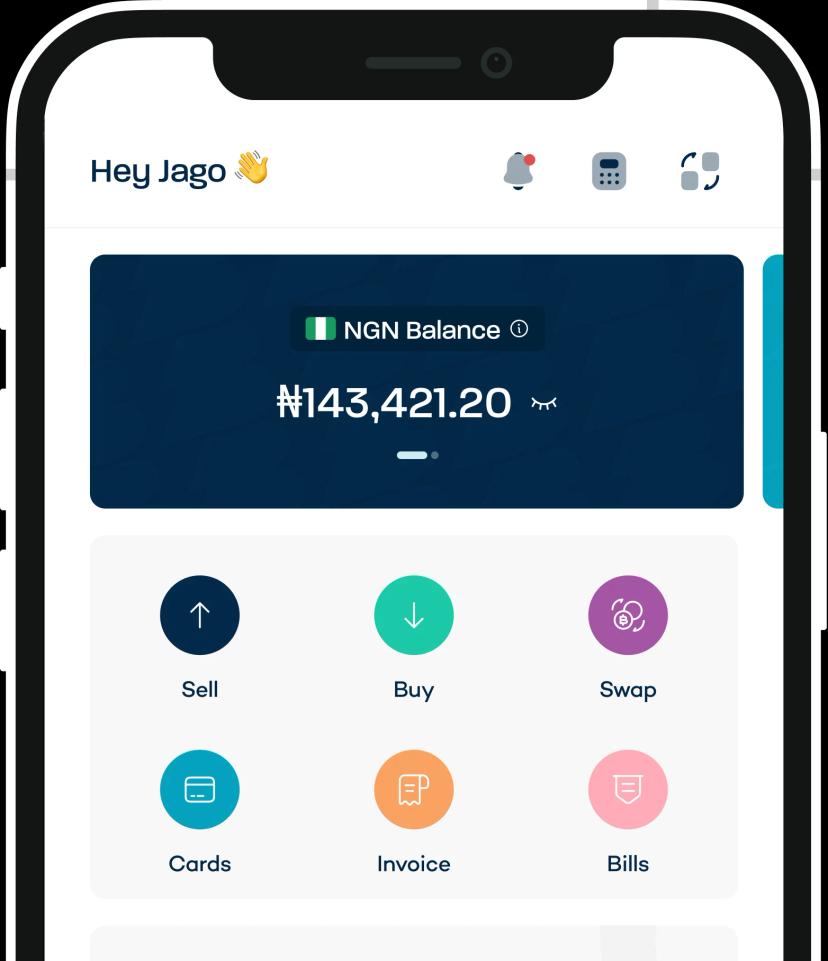
It depends on the platform you use. With Breet, the conversion and bank settlement usually happen within minutes.
Why Are Stablecoins Better Than Bitcoin for Business?
Stablecoins are pegged to the US dollar, which makes them far more practical for accounting and pricing. Bitcoin is too volatile for most business operations, as its value can swing sharply between the time an invoice is issued and when it is paid.