If you run a business in Ghana, the best crypto API is the one that settles cleanly to Cedi, charges what it says it charges, and stays reliable when you hit a production issue at 2 am. Businesses in Ghana are now building faster than local banking infrastructure can keep up with. Cross-border collections, stablecoin payouts, remote team salaries, and international vendor settlements are everyday operations for startups in Accra and beyond.
The problem is not that crypto infrastructure does not exist. It is knowing which API reliably settles to Cedi, prices transparently, and does not disappear when something breaks. This piece walks through the five best crypto and stablecoin APIs in Ghana in 2026 and why each earns its place.
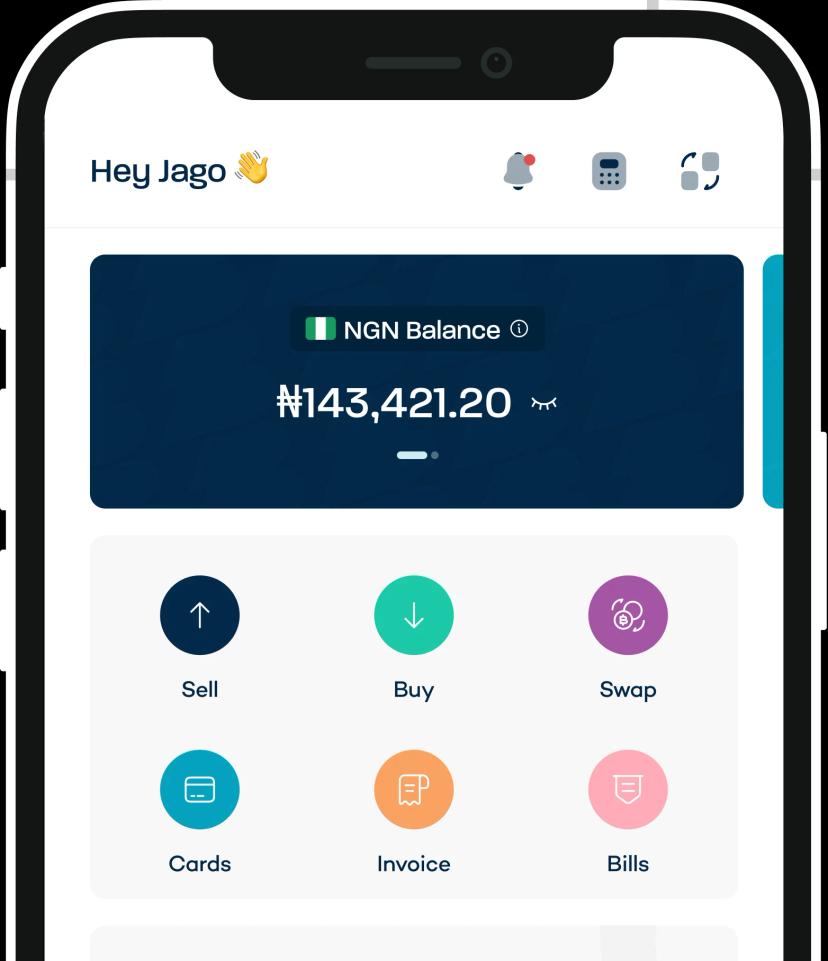
We start with our own API, Breet. That is intentional. It was built specifically for this use case. Breet enables businesses to:
- Automatically convert USDT/USDC to Cedis for easy transfer to a local bank
- Withdraw funds to a bank account, Mobile Money, or stablecoins
- Generate a wallet address for their users
- Receive instant transaction notifications via webhook when a payment arrives
Ready to see how Breet’s API can help your business? Book a demo with our team.
The Top 5 Crypto/Stablecoin APIs in Ghana at a Glance
| Provider | GHS Settlement | Stablecoins Supported | Fee Structure | Setup Time | Best Fit |
| Breet | Bank + Mobile Money | USDT, USDC (TRC20, ERC20, Solana) | Talk to sales | Under 2 hours | All business sizes |
| Partna | Bank | USDT, USDC | Not publicly listed | Within a weekend | Multi-market fintechs |
| Pretium | Bank | USDT, USDC | Not publicly listed | Not publicly disclosed | Treasury-focused businesses |
| Fiatsend | Bank + Mobile Money | USDT, USDC | Corridor-based | 7 days | Outbound payout platforms |
| Miden | Bank | USDT, USDC | Not publicly listed | Not publicly disclosed | Card-issuing platforms |
1. Breet
Breet is a crypto infrastructure provider for African businesses, with settlement built specifically for the Ghanaian market. The product lets businesses accept stablecoin payments and automatically receive Cedis, without having to think about what happens in between. For a Ghanaian business choosing a crypto API, three things matter most, and Breet covers all three.
Automatic Crypto-to-Cedi Conversion the Moment a Deposit Lands
Breet converts incoming stablecoin deposits to Ghanaian Cedi automatically, with no manual step from the business. Once set up, every deposit is converted as it arrives, so you do not manage conversion timing, monitor exchange rates by hand, or build a separate settlement pipeline. The whole conversion happens in the background. For businesses accepting USDT or USDC from international users, that means you receive local currency without touching the blockchain layer at all.
Automatic Settlement to Bank or Mobile Money
Settlement goes straight to Ghanaian bank accounts or mobile money wallets, including MTN MoMo, AirtelTigo, and Vodafone Cash. This is not a feature locked behind a separate integration or an enterprise plan. It is part of the core API. Auto-settlement can be enabled so that every successful conversion is routed to your linked payout account with no manual withdrawal step.
Predictable Costs
There is no setup fee, no monthly platform fee, no withdrawal fee added after conversion, and no reconciliation surprises at month-end. Whether you process 10 transactions or 10,000, the cost structure is the same and fully modelable before you write a single line of integration code.
2. Partna
Partna is a stablecoin infrastructure provider focused on African markets, supporting cross-border collections and payouts across multiple countries, including Ghana. It currently covers four major workflows: onramp, offramp, collections, and payouts. Partna is backed by Y Combinator and processes over 200,000 transactions monthly.
It is designed primarily for fintechs (such as MiniPay) and regionally operating businesses that need API access to stablecoin rails for treasury movement and settlement. The documentation is clean, and a self-service quickstart gets developers to their first API call in under five minutes.
Fees: Not publicly listed on the website or docs; contact Partna directly for pricing. Setup time: Integration can be completed within a weekend, per their website.
Best for: Multi-market fintechs building onramp and offramp flows, given the focus on converting between local currency and stablecoins in both directions.
3. Pretium
Pretium provides stablecoin settlement and treasury infrastructure for African businesses operating across 7+ markets. It is positioned toward businesses that want to hold and move value across borders while settling locally in markets like Ghana. It offers two main products: a payment API for collecting and disbursing stablecoins, and a no-code checkout widget that lets merchants accept crypto payments with embedded code.
The API covers stablecoin receipts, treasury management, and local currency disbursement, which suits businesses managing float across multiple currencies or running payroll in several countries.
Pretium does not require you to pre-fund destination accounts; settlement is almost instant, and the company claims a 99.99% success rate across the 600,000+ transactions it has processed. Onboarding is custom for each business, handled either through a Google form on the API docs page or a discovery call, with dedicated technical support.
Fees: No published fee schedule; Pretium also lets you collect extra fees through a fee field in the request body.
Setup time: Not published, though the website describes the process as fast and hassle-free.
Best for: Treasury-heavy businesses that move and hold value across multiple markets.
4. Fiatsend
Fiatsend is built specifically to convert stablecoins to mobile money. It does not try to cover treasury management, multi-currency collections, or onramp flows. The entire product is oriented around sending money outward to mobile wallets in Africa, fast. The API accepts USDC, converts at locked rates, and routes directly to the recipient’s mobile money wallet. In Ghana, it covers MTN MoMo; settlement happens in under 10 seconds, and webhooks confirm delivery in real time.
The developer experience is notably clean: a REST API, a full Postman collection, and a sandbox you can access immediately without a sales call. On compliance, Fiatsend operates through licensed partners in each corridor, runs AML and sanctions screening, maintains full on-chain audit trails, and can provide documentation for regulator-facing diligence.
Fees: Vary by corridor and payout rail.
Setup time: Typical go-live within 7 days, per their website.
Best for: Platforms with consistent outbound payout needs, including payroll tools, contractor payment platforms, and marketplaces paying sellers in Ghana via mobile money.
One caveat: Fiatsend does not cover inbound crypto collection. If your use case is accepting stablecoin payments from customers and converting to Cedi, this is not the right tool. It is a payout infrastructure provider, not a payment acceptance provider, and those are different problems.
5. Miden
Miden is a card-issuing and crypto payment infrastructure provider built for African businesses. Its core product is a full-stack card-issuing API that lets fintechs, digital banks, and enterprises issue virtual Visa, Mastercard, and Verve cards programmatically, without needing a banking licence or building the infrastructure from scratch.
For a business in Ghana, Miden provides a full-stack card-issuing platform with built-in support for Ghana and other African markets, all through one modern API. You can issue virtual cards denominated in both Ghanaian Cedis and US Dollars. The API covers four main capabilities:
- Programmable controls to set spending rules, merchant category restrictions, transaction limits, and usage conditions per card
- Real-time management to monitor activity and freeze, reissue, or deactivate cards instantly from the same interface
- Disbursements and treasury rails for bulk and individual payouts and for moving money across markets
- Banking-as-a-Service layer, including wallet infrastructure and bill payments for platforms embedding financial products
Fees: Not publicly listed; speak with their team for pricing.
Setup time: Not publicly disclosed; a direct conversation is the starting point.
Best for: Fintechs and enterprises building card programs in Ghana, platforms disbursing funds via virtual cards, and businesses issuing Cedi or dollar cards to employees or customers without managing a banking relationship themselves.
What to Actually Look for in a Crypto API in Ghana
Before you integrate, weigh these factors. They separate an API that fits the Ghanaian market from one that bolts on local support as an afterthought.
Native Cedi settlement. Some providers route through an intermediary that converts to USD first, then to GHS, which adds a conversion step, a spread, and a delay. Look for an API with a direct GHS settlement rail.
Mobile Money support. MTN MoMo, AirtelTigo, and Vodafone Cash dominate in Ghana. An API that only settles to bank accounts misses a large share of the market, especially for consumer-facing products.
Multi-chain deposit support. USDT on TRC20 is cheaper for users to send than USDT on ERC20. If your API only supports Ethereum, you pass gas-fee friction onto your customers. Look for TRC20 at a minimum.
Webhook reliability. Your application logic depends on knowing when deposits arrive. Flaky webhooks mean manual reconciliation, delayed payouts, and unhappy users. Ask providers directly about their uptime record and webhook delivery guarantees.
Transparent fees. Any provider that requires a sales call before telling you what you will pay is not worth your time at the evaluation stage. You should be able to model your unit economics before writing a single line of integration code.
Conclusion
Picking the right API is less about how many features it has and more about which features apply directly to your business and use case. As a business running in Ghana, your focus should be on infrastructure that interacts with GHS cleanly, without custom engineering on your end.
All five providers have their place. Partna works if you operate across multiple African markets. Fiatsend is solid for outbound payouts. Pretium fits treasury-heavy operations. Miden is the option to watch for card programs.
But if you are a Ghanaian business or developer who needs to accept stablecoins, convert automatically, and settle to bank accounts or Mobile Money without building half the stack yourself, Breet is the straightforward answer: no setup cost, under two hours to integrate, and direct Cedi settlement that includes MTN MoMo, AirtelTigo, and Vodafone Cash.
The infrastructure is ready. The only thing left is the integration.
Frequently Asked Questions
What Is the Best Crypto API for Ghana in 2026?
Breet is the strongest option for most Ghanaian businesses. It offers direct Cedi settlement to bank accounts and Mobile Money, supports USDT and USDC across multiple networks, charges no setup costs, and can be integrated in under two hours.
Does a Ghanaian Business Need a Licence to Use a Stablecoin API?
Ghana’s regulatory environment is evolving. The Bank of Ghana has issued a framework legalising crypto trading, and businesses should monitor VASP (Virtual Asset Service Provider) licensing requirements as they develop. Using an infrastructure API as a backend service is different from operating as a crypto exchange, but you should consult legal counsel for your specific use case.
How Long Does Settlement to a Ghanaian Bank Account Take With Breet?
Once a deposit is confirmed and converted, Breet routes funds to your linked bank account or Mobile Money wallet without waiting for an end-of-day batch cycle.
Can a Developer Test the Breet API Before Going Live?
Yes. Breet provides a sandbox environment for integration testing. The documentation covers wallet generation, webhook configuration, and settlement flows, so developers can validate the full integration before handling real funds.