Looking for an app that does free crypto swap in Nigeria?
This list is for you.
Crypto adoption is huge in Nigeria. We buy it, invest in it, use it to receive payments, and swap it from time to time.
If you regularly swap crypto in Nigeria, you may have noticed something frustrating. What you receive is often not what you expected. By the time the transaction is complete, a portion of your value has been lost.
In most cases, this comes down to hidden costs. Platform charges and gas fees quietly reduce the amount you end up with, even when a platform claims the swap is “free.”
So in this article, we will explore some of the best sites to swap crypto for free in Nigeria. And by “free,” we mean no hidden charges, transparent rates, minimal platform fees, and, in some cases, only unavoidable network gas fees.
How Free Crypto Swap Works
Crypto swaps are done through three main channels: centralized exchanges, in-app wallet swap features, and decentralized exchanges.
Centralized Exchanges
On centralized exchanges, a swap is usually a conversion, so you might see “convert”.
The platform simply changes one asset for another at a quoted rate. Because this happens within the exchange, users do not pay blockchain gas fees. However, the exchange may include its cost in the offered rate, so the final amount may be slightly lower than expected.
Related:
In-app Wallet Swap Features
Many wallets offer a built-in swap option. While this feels like a simple conversion, the wallet often routes the transaction through decentralized exchanges behind the scenes.
Here, the swap happens on the blockchain, and users pay a gas fee, which is the network fee required to process the transaction. The rate you receive depends on market conditions and available liquidity.
Decentralized Exchanges
Decentralized exchanges, or DEXs, allow users to swap tokens directly on the blockchain using smart contracts. Most DEXs rely on liquidity pools, where users supply tokens that others trade against.
Prices on these platforms are set automatically based on how many tokens are in a pool. When a trade is large or liquidity is low, the price can shift slightly before the transaction is completed. This difference between the expected price and the final price is called slippage.
Some DEXs are also blockchain native, meaning they are built specifically for one network and optimized for that chain’s speed and lower fees.
Top 7 Apps for Free Crypto Swap in Nigeria
- Breet
- Trust Wallet
- ByBit
- PancakeSwap
- Bitget
- Uniswap
- MetaMask
1. Breet: Best Crypto Swap App in Nigeria
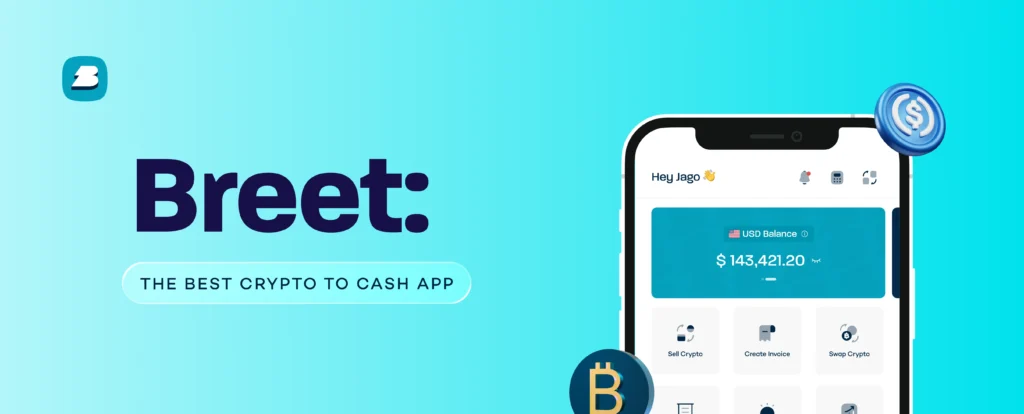
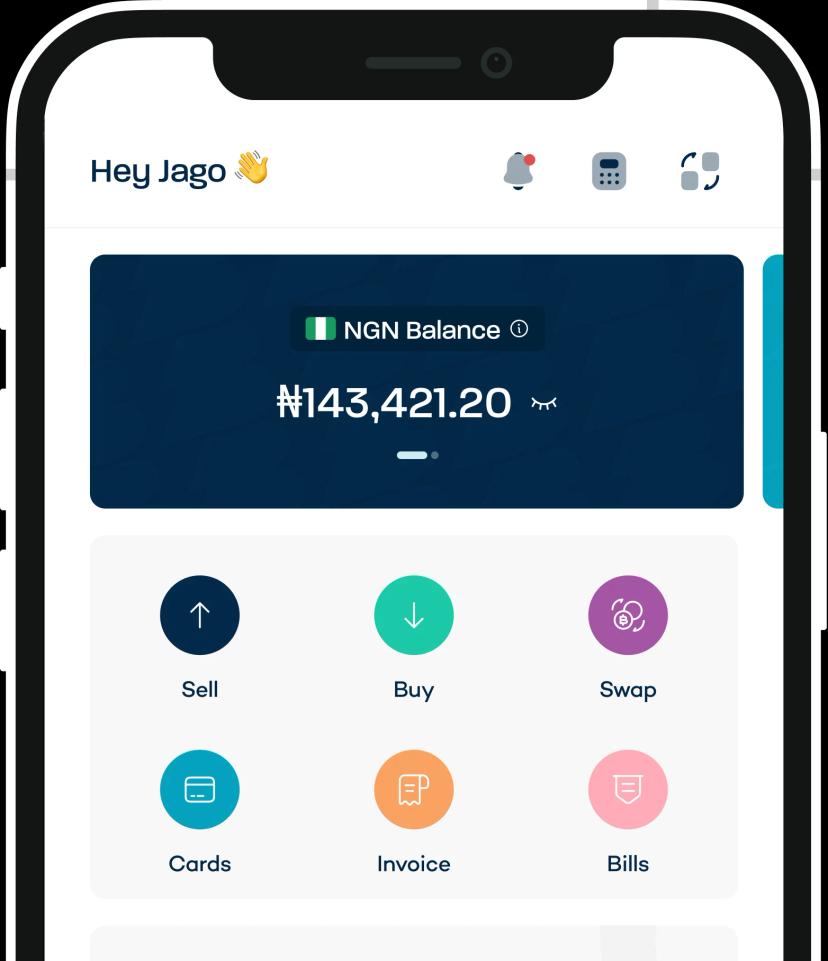
Breet is a crypto off-ramp app that makes it easy to swap, convert, receive, and spend crypto, all without hidden fees or complex processes.
Unlike many traditional exchanges, Breet is designed with everyday African users in mind. It eliminates much of the usual friction around crypto swaps and conversions, so users can interact with digital assets without worrying about surprise charges or complicated steps.
Swap Crypto in Nigeria with No Hidden Costs on Breet
On Breet, you can swap cryptocurrencies with speed. The platform supports over 170 tokens across multiple blockchains, and all swap details, including the rate you’ll receive, are shown upfront before you confirm.
Since Breet handles the exchange internally, you do not pay hidden platform fees; you see a transparent rate and unavoidable network fees before you complete the swap.
Other Helpful Breet Features
Beyond transparent crypto swaps, Breet offers several powerful tools that make managing your crypto easier:
- Convert Crypto to Cash: Send crypto to a Breet wallet address and have it automatically converted to Naira (NGN), with fast settlement to your bank account.
- Accept Crypto Payments: Generate invoices and get paid in crypto from clients anywhere in the world, ideal for freelancers and businesses.
- Pay Bills with Crypto: Use your crypto value to pay for airtime, data, electricity, cable, and more directly from the app.
Related:
- USDT TRC20 Contract Address: What is it & How to Check it?
2. Trust Wallet
Trust Wallet is a self-custodial crypto wallet that offers an in-app swap feature powered by decentralized exchanges. When users swap tokens on Trust Wallet, the wallet automatically finds the best available route across multiple liquidity sources and executes the trade on chain.
There is no direct crypto swap fee charged by Trust Wallet itself, but users still pay blockchain gas fees, and the final rate depends on liquidity and market conditions.
Because swaps are routed through DEXs, costs may be reflected in the exchange rate rather than shown as a separate fee.
Cons
- Fully self‑custodial, so users are responsible for their private keys; loss means permanent loss of funds.
- Gas fees still apply for on-chain swaps, which can spike on the Ethereum mainnet.
- Interfaces can feel technical for beginners, especially when adjusting slippage and token contract addresses.
3. ByBit
Bybit is a global centralized crypto exchange that is widely used in Nigeria, particularly for its peer-to-peer marketplace.
The platform also offers an in app crypto convert feature that allows users to swap crypto for another at a quoted rate. Since conversions happen within the exchange, users do not pay blockchain gas fees.
Instead, the exchange determines the rate internally, and any costs are reflected in the price shown before confirmation.
Cons
- Even with zero fee, conversion rates can include hidden spreads.
- Requires KYC.
- Swap options are limited to tokens listed on the exchange; new or unlisted tokens may not be available.
Related to ByBit:
- Bybit Review: Is it the Best Exchange for You?
4. PancakeSwap
PancakeSwap is a popular decentralized exchange that originally launched on BNB Smart Chain and has since expanded to support Ethereum and Aptos.
As a DEX, PancakeSwap allows users to swap crypto directly from their own wallet without creating an account or completing KYC.
To use PancakeSwap, users simply connect a compatible wallet, select the tokens they want to swap or paste the token’s contract address, and confirm the transaction. Because swaps happen on-chain, users must pay gas fees, which are the network fees required to process the transaction.
Users also need to pay attention to slippage, which refers to small price changes that can occur between the time a swap is quoted and when it is completed. PancakeSwap charges a 0.25% swap fee.
Cons
- On-chain swaps require BNB or chain native token for gas fees, which adds cost.
- Slippage can eat into small trades if liquidity is low.
- Beginners may find the interface intimidating, especially when using contract addresses.
5. Bitget
Bitget is a centralized exchange widely accessible to Nigerian users. It offers a fast one-click crypto convert, allowing users to use the crypto swap feature instantly within the platform.
While Bitget does not charge a direct swap fee, the cost of the conversion is typically reflected in the rate you receive. This feature is designed for convenience, letting users swap cryptocurrencies quickly without navigating an order book.
Cons
- Like most CEX conversion costs may be factored into the rates, so users may overpay slightly.
- The swap feature is limited to tokens listed on Bitget and supported pairs.
- KYC required.
Related to Bitget:
- Bitget P2P Review: My Trading Experience on the Platform
6. Uniswap
Uniswap is a decentralized exchange originally built on Ethereum that allows users to swap crypto directly from their wallets.
Uniswap has also expanded to multiple EVM-compatible chains, including Polygon, Arbitrum, Optimism, and Base, allowing users to swap tokens on these networks while using the same familiar interface.
Swaps on Uniswap are on-chain, so users must pay network gas fees, and the final amount received may vary slightly due to slippage.
Cons
- Slippage can reduce received amounts on large or low‑liquidity trades.
- Only supports tokens on Ethereum and mostly EVM-compatible chains.
- Beginners may find it confusing to select token addresses or manage network settings.
7. MetaMask
MetaMask is a widely used crypto wallet initially built for Ethereum and other EVM-compatible chains. It now also supports networks like Solana and Bitcoin.
Users can swap tokens directly within the wallet using its in-app swap feature, which sources liquidity from multiple decentralized exchanges to provide the best available rate.
Swaps are executed on chain, so users pay network gas fees, and the final amount received may vary slightly due to slippage
Cons
- Self-custodial, if private keys or seed phrases are lost, funds are irrecoverable.
- Multi-chain swaps require manual network selection; beginners may get confused.
- In-app swaps rely on DEX liquidity, so prices and slippage can vary.
Related:
- How to Add USDT to MetaMask in Minutes
Tips for Swapping Crypto Safely in Nigeria
Swapping crypto is usually straightforward, but small mistakes can lead to lost funds, bad rates, or failed transactions. Here are a few practical tips to keep in mind before you swap.
Double-check the Token you’re Swapping
Always confirm the correct token and network before swapping. Fake tokens and copycat contract addresses are common, especially on decentralized exchanges.
If you’re using a DEX, paste the official contract address from a trusted source rather than relying on token names alone.
Watch the rate, not just the fees
A platform may advertise zero fees, but the real cost is often hidden in the exchange rate. Before confirming a swap, compare how much you’ll receive with the market price. On centralized platforms, this difference usually shows up as a spread. On DEXs, it may be caused by low liquidity or slippage.
Understand Slippage before Confirming
Slippage is the difference between the price you expect and the price your trade actually executes at. High slippage usually means low liquidity or a volatile token.
If slippage is set too high, you may receive far less than expected. If it’s too low, the transaction may fail and still cost you gas fees.
Use the Right Network to Avoid Unnecessary Gas Fees
Gas fees vary widely across blockchains. Ethereum is generally more expensive, while networks like Base, BNB Smart Chain, and Polygon are cheaper for swaps.
If you’re swapping frequently or small amounts, using a low-fee network can save you a lot over time.
Start Small when Using a New Platform
If you’re trying a new wallet, exchange, or DEX for the first time, test it with a small amount. This helps you understand how the swap works, how long it takes, and what fees apply before committing a larger amount.
Top Pick:
- 2026 Crypto Tax in Nigeria: All You Need to Know
- 19 Best New Earning Play to Earn (P2E) Crypto Games
How to Swap Crypto on Breet
Swapping crypto on Breet is designed to be simple, fast, and transparent without navigating complex trading interfaces.
Here’s how the process works.
Select the Crypto Pair you want to Swap
Start by choosing the cryptocurrency you want to swap from and the one you want to receive. For example, ETH to BTC. Breet supports swaps across a wide range of tokens and blockchains, all within the app.
Review the Swap Rate before Confirming
Breet shows you the rate you’ll receive before you proceed. This helps you understand exactly what you’re getting, with no hidden charges. Take a moment to confirm the details before moving on.
Send your Crypto to the Provided Address
Once confirmed, Breet generates a deposit address for your swap. You simply send the selected token to that address. It’s important to ensure you’re sending the correct token on the correct network to avoid delays or failed swaps.
Receive your Swapped Crypto
After your deposit is confirmed on the blockchain, Breet processes the swap and sends the new crypto to your wallet or specified external address. This usually takes a few minutes, depending on network conditions.
You Might Like:
- Proof of Stake vs Proof of Work: Key Differences & Examples
Frequently Asked Questions on Crypto Swaps in Nigeria
What are the Best Crypto Swap Sites?
Breet is the best crypto swap site for Nigerians and Ghanians. Other centralized platforms like Bitget, and Bybit also offer fast and simple in-app conversions, while decentralized exchanges like Uniswap and PancakeSwap give users more control but require more technical knowledge.
Where can I Swap my Crypto?
You can swap crypto on centralized exchanges such as Breet and Bybit or within crypto wallets that offer in-app swap features like MetaMask or Trust Wallet and on decentralized exchanges.
Is it Free to Swap Crypto?
Crypto swaps are rarely completely free. Even when a platform charges zero platform fees, there are usually other costs such as gas fees on blockchain networks or price spreads built into the exchange rate.
The key is understanding the total cost of the swap, not just the advertised fee.
What is the Cheapest way to Swap Crypto?
The cheapest way to swap crypto depends on the network, the token pair, and the platform used. Low-fee blockchains like Base, BNB Smart Chain, and Polygon are generally cheaper than Ethereum.
Platforms that clearly show rates and minimize hidden spreads can also help reduce overall costs.
Can you Swap Crypto Without Fees?
In practice, no. Every crypto swap involves some cost, whether it’s network gas fees, liquidity provider fees, or a spread in the exchange rate.
Some platforms, like Breet, simplify this by removing hidden charges and making costs more transparent, but there is always some underlying cost involved in executing a swap.