Picture a global financial system running 24/7, with no banks, closing hours, or central authority approving transactions.
Millions of transfers move across blockchain networks every day, and here’s the question most people never ask: who actually checks that every transaction is legitimate before it becomes permanent?
That responsibility falls to blockchain validators. A blockchain validator is one of the most important roles inside a blockchain network.
In this guide, we’ll break down exactly who blockchain validators are, what they do, how Proof of Stake validation works, and what it takes to become a blockchain validator yourself.
Related:
- 15 Best Blockchain Games of 2026 (Android, IOS)
- How to Use a Blockchain Explorer to Confirm Transactions
Who Are Blockchain Validators?
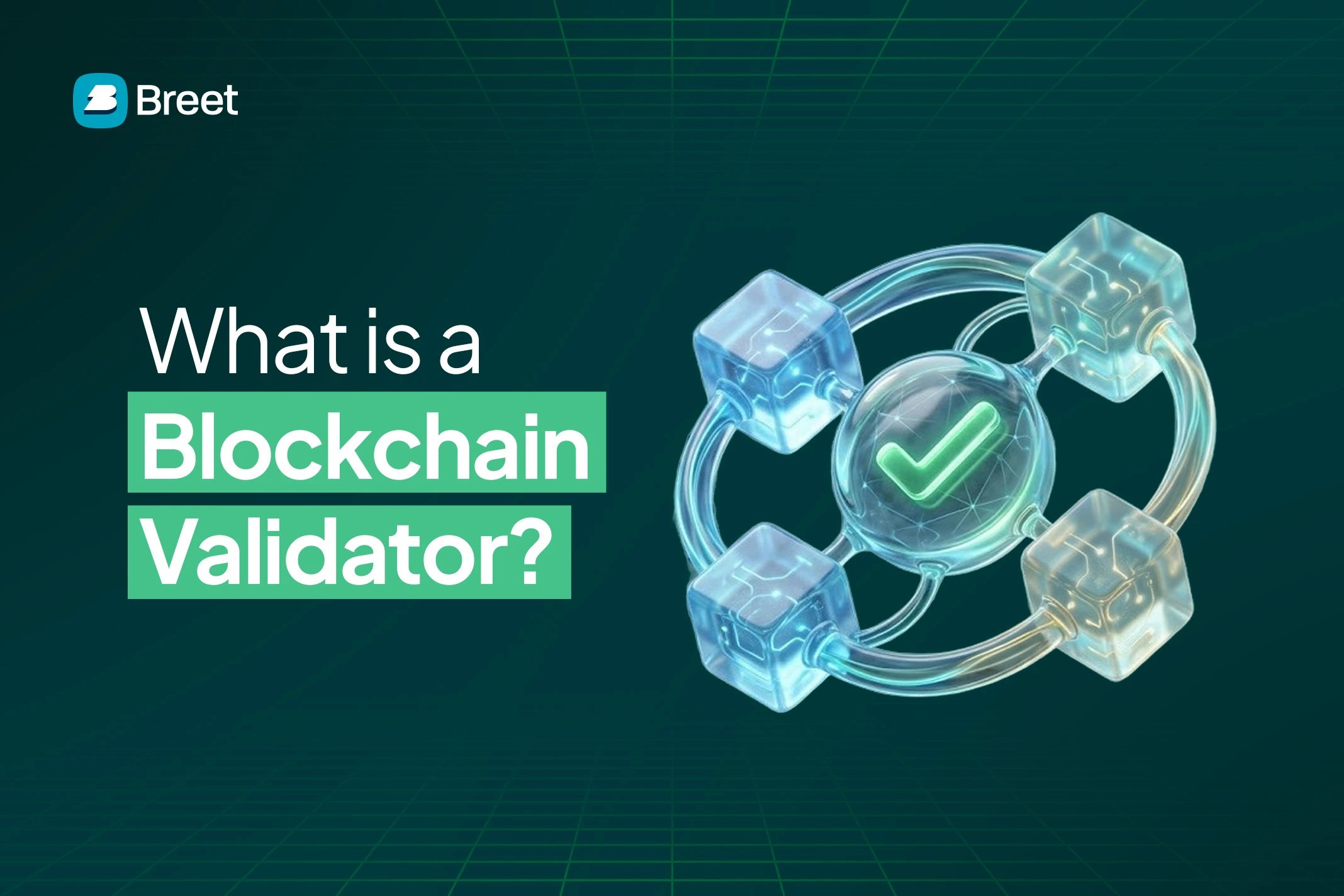
Blockchain validators are participants in a blockchain network responsible for verifying transactions and approving new blocks before they are added to the blockchain.
In simple terms, a blockchain validator acts as the network’s checkpoint, making sure every transaction is legitimate before it becomes permanent.
Instead of relying on a central authority like a bank, blockchain networks depend on distributed validators to keep the system honest. These validators run specialized software, often called a node, that monitors incoming transactions, checks their validity, and participates in confirming new blocks.
In most modern crypto networks, validators operate within a Proof of Stake (PoS) system. In this model, participants lock up a certain amount of cryptocurrency, known as staking, to earn the right to validate transactions. The more tokens a validator stakes, the higher their chances of being selected to verify the next block.
However, staking isn’t just about rewards. It also creates accountability.
If a validator acts dishonestly or fails to maintain uptime, the network can penalize them by slashing a portion of their staked tokens.
This mechanism ensures validators have a financial incentive to behave correctly and maintain network integrity.
Due to this structure, crypto validators serve three major roles in a blockchain network:
- Transaction verifiers confirm that transfers are legitimate and follow network rules
- Block producers propose and validate new blocks for the blockchain
- Network guardians help maintain security and consensus across the system
Without blockchain validators, Proof of Stake networks would not be able to process transactions, maintain security, or reach agreement across thousands of independent participants. In other words, validators are the backbone that keeps PoS crypto networks running.
Related:
- Proof of Stake vs Proof of Work: Key Differences & Examples
- Why is Cryptography Important in Cryptocurrency?
What Do Blockchain Validators Do?
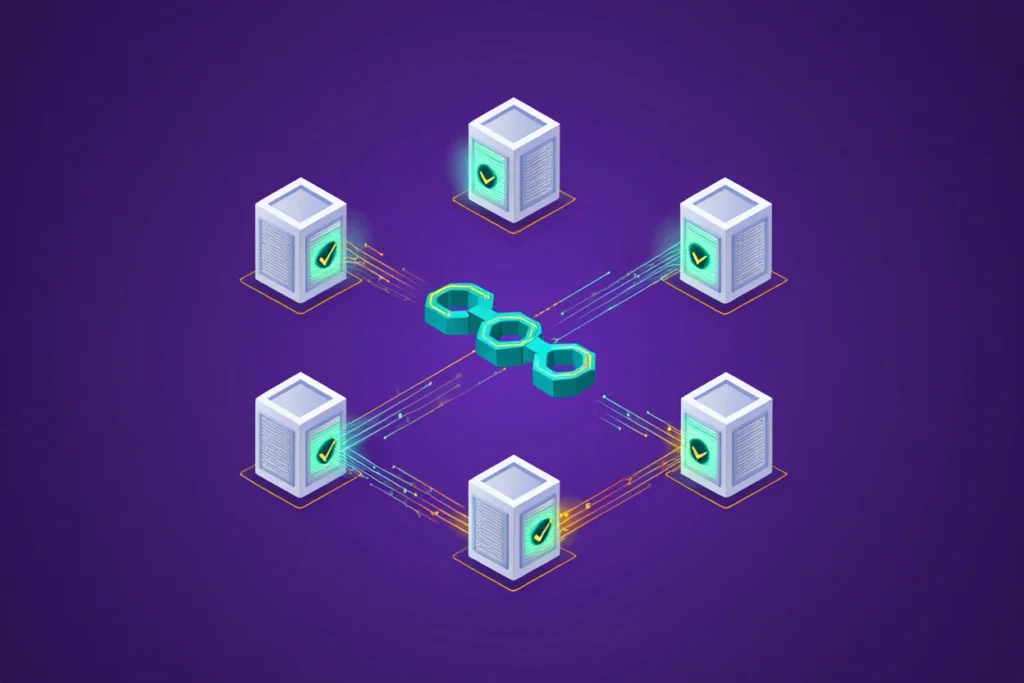
Blockchain validators are responsible for keeping blockchain networks accurate, secure, and functioning smoothly. Every transaction that happens on a blockchain must pass through validators before it becomes part of the permanent record.
Their role goes far beyond simply checking transactions. Validators actively maintain the network by verifying activity, producing blocks, and ensuring that every participant agrees on the state of the blockchain.
Here are the core responsibilities of a blockchain validator.
1. Verifying Transactions
The first job of a Blockchain validator is to check that transactions are valid. When someone sends cryptocurrency, the validator’s software reviews the transaction details to confirm that the sender has enough funds and that the transaction follows the network’s rules.
If the transaction passes these checks, it moves forward to be included in a new block.
2. Proposing and Validating New Blocks
Validators also help create new blocks on the blockchain. In most Proof of Stake systems, a validator is selected to propose the next block, which contains a batch of verified transactions.
Other validators then review that block. If the majority agrees that everything is correct, the block is approved and added to the blockchain.
3. Maintaining Network Security
Blockchain validators also protect the blockchain from malicious activity. Validators continuously monitor the network to detect invalid transactions, double-spending attempts, or other suspicious behavior.
Due to validators having their own tokens staked on the network, they are financially motivated to act honestly and keep the system secure.
4, Ensuring Network Consensus
Blockchains rely on consensus, meaning all participants must agree on the current state of the network. Validators play a key role in this process by confirming blocks and sharing verification results with other nodes.
Once enough validators agree on a block, it becomes part of the blockchain and is recognized across the entire network.
In short, Blockchain validators are the operators that keep a blockchain functioning in real time, verifying transactions, approving blocks, securing the network, and helping thousands of independent nodes stay in sync.
Top Pick:
- What is Blockchain: A Beginner Guide to Blockchain
How Blockchain Validators Work (Proof of Stake Explained)
Most modern blockchains rely on a system called Proof of Stake (PoS) to decide who gets to validate transactions and add new blocks. Instead of using massive computing power like older crypto networks, PoS selects validators based on the amount of cryptocurrency they stake to the network.
Here’s how the process works.
Step 1: Staking Tokens
To become a blockchain validator in a Proof of Stake network, participants must first lock up a certain amount of cryptocurrency as collateral. This process is known as staking.
Staking signals commitment to the network. The tokens remain locked while the validator participates in transaction verification and block validation. If a validator acts honestly, they earn rewards. If they break the rules, part of their stake can be taken away.
Step 2: Validator Selection
Once tokens are staked, the network periodically selects a validator to propose the next block. Selection is typically influenced by the size of the validator’s stake, although many networks also include randomization to keep the process fair and decentralized.
In simple terms, validators with larger stakes often have a higher chance of being chosen, but they are not guaranteed selection every time.
Step 3: Transaction Verification
When a validator is selected, it gathers pending transactions from the network and checks them for validity. This includes confirming that the sender has enough funds and that the transaction follows the blockchain’s rules.
Only verified transactions make it into the proposed block.
Step 4: Block Validation by Other Validators
After the block is proposed, other validators review it. They confirm that all the transactions are valid and that the block follows the network’s protocol.
If enough validators approve the block, it is officially added to the blockchain.
Step 5: Rewards and Penalties
Validators receive rewards for helping secure the network, usually in the form of newly minted cryptocurrency or transaction fees.
However, the system also includes penalties. If a validator goes offline, validates incorrect transactions, or attempts malicious behavior, the network may slash a portion of their staked tokens. This discourages bad behavior and helps keep the blockchain secure.
You Might Like:
- 11 Sites To Make Money From Crypto Microtasks
- How a Transaction is Verified on Cryptocurrency Network
Validators vs Miners: What’s the Difference?
At first glance, Blockchain validators and crypto miners seem to do the same job. Both verify transactions and help add new blocks to a blockchain. The key difference lies in how they do it and the technology the network uses.
Validators operate in Proof of Stake (PoS) networks, while miners work in Proof of Work (PoW) systems. These two consensus models power different types of blockchains and come with very different requirements.
Here’s how they compare.
1. How They Validate Transactions
A blockchain validator confirms transactions by staking cryptocurrency and participating in the network’s consensus process. Validators review transactions, propose blocks, and approve blocks created by other validators.
Miners, on the other hand, validate transactions by solving complex mathematical puzzles using computing power. The first miner to solve the puzzle gets to add the next block to the blockchain.
2. Energy Usage
One of the biggest differences between validators and miners is energy consumption.
Mining requires powerful hardware running constantly to compete for the next block. This process consumes a large amount of electricity.
Validators don’t compete using computing power. Instead, they are selected based on the amount of crypto they stake, which makes Proof of Stake systems far more energy-efficient.
3. Hardware Requirements
Crypto miners usually need specialized equipment, such as high-performance GPUs or ASIC mining machines. These setups can be expensive and require ongoing maintenance.
Validators typically run a standard server or cloud node that stays connected to the blockchain network. The technical requirement is still important, but the hardware demands are significantly lower than mining.
4. Reward System
Both miners and validators receive rewards, but the structure is different.
Miners earn rewards for solving computational puzzles and successfully adding new blocks. These rewards often include newly minted coins and transaction fees.
Validators earn rewards for staking tokens and correctly validating blocks. The rewards are distributed based on their participation and the amount of crypto they have staked.
How to Become a Blockchain Validator
Becoming a blockchain validator means taking an active role in securing a blockchain network while earning rewards for helping maintain it.
Here’s what it typically takes to become a validator.
1. Meet the Minimum Staking Requirement
The first step is staking the network’s native cryptocurrency. Most Proof of Stake (PoS) blockchains require validators to lock up a minimum amount of tokens before they can participate in validation.
This stake acts as collateral that proves the validator has a financial interest in maintaining the network honestly. The exact requirement varies widely depending on the blockchain, with some networks requiring a small stake while others demand a significant amount of crypto.
2. Run a Validator Node
Validators must operate a node, which is software that connects to the blockchain and participates in verifying transactions. This node processes new transactions, communicates with other nodes on the network, and helps validate blocks.
Running a node usually requires a reliable server, stable internet connection, and continuous uptime. If the node goes offline too often, the validator may lose rewards or face penalties.
3. Maintain Network Performance
A good blockchain validator must keep their node running smoothly. That means monitoring performance, applying software updates, and ensuring the system remains online and synchronized with the network.
Validators that maintain consistent uptime and accurate validations are more likely to earn rewards.
4, Understand the Risks
Running a blockchain validator can be risky. Most networks enforce penalties to discourage bad behavior or poor performance.
The most common risks include:
- Slashing: A portion of the validator’s staked tokens can be taken if they act maliciously or validate incorrect blocks.
- Downtime penalties: Validators that go offline may miss rewards or lose part of their stake.
- Market risk: Since rewards are paid in cryptocurrency, their value can fluctuate with the market.
5. Validator vs Delegator
It’s also worth noting that not everyone who stakes crypto becomes a validator. Many networks allow users to delegate their tokens to an existing validator instead of running their own node.
Delegators still earn a share of staking rewards, while the validator handles the technical work of securing the network.
Don’t Miss:
- What are Gas Fees in Crypto? Why Should I Pay It?
- What Is Liquidity Pool in Crypto?
Conclusion on Blockchain Validator
Blockchain validators play a critical role in keeping blockchain networks secure, transparent, and fully decentralized. They are the participants responsible for verifying transactions, proposing new blocks, and ensuring that every update to the blockchain follows the network’s rules.
In Proof of Stake systems, validators replace traditional miners. Instead of competing with massive computing power, they secure the network by staking cryptocurrency and participating in the consensus process. This approach makes modern blockchains far more energy-efficient while still maintaining strong security.
For anyone interested in blockchain infrastructure, staking, or network security, understanding how Blockchain validators work is an essential step toward grasping how modern blockchain systems operate.
FAQs on Blockchain Validator
How do Blockchain Validators Earn Rewards?
Validators typically earn rewards through staking incentives and transaction fees. When they successfully validate or propose blocks, the network distributes rewards in the form of cryptocurrency.
What is the Difference between a Validator and a Miner?
Validators operate in Proof of Stake networks and secure the blockchain by staking tokens. Miners operate in Proof of Work systems and use computing power to solve complex mathematical problems in order to validate blocks.
Do you Need a lot of Crypto to Become a Validator?
It depends on the blockchain network. Some networks require a high minimum stake to run a validator node, while others allow smaller participants to join through delegation or shared staking pools.
Is Running a Blockchain Validator Risky?
Yes, there are some risks. Validators can lose a portion of their staked tokens through slashing if they behave maliciously or fail to maintain reliable uptime. Market volatility can also affect the value of staking rewards.
Can Beginners become Blockchain Validators?
Beginners can become validators, but it requires technical knowledge, a reliable server setup, and the required staking amount. Many beginners start by delegating their tokens to experienced validators before running their own node.