Cryptocurrency can be confusing, especially if you are new to it.
Prices rise and fall quickly, and many people stay away from crypto because they fear this volatility.
However, not every cryptocurrency is like this. Some digital currencies are built to remain stable and protect users from market swings. These special coins are called stablecoins.
Stablecoins are now some of the most widely used digital currencies globally. People rely on them for savings, trading, payments, and quick conversions to cash.
If you have heard names like USDT, USDC, or DAI, then you have already come across stablecoins.
This guide provides a list of stablecoins, why people use them, and how to stay safe while using them. It also explains where to sell your stablecoins instantly if you live in Nigeria or Ghana.
What Are Stablecoins?
Stablecoins are cryptocurrencies designed to hold a steady value. Unlike Bitcoin or Ethereum, which move up and down often, a stablecoin stays close to a fixed price. Most stablecoins are pegged to the US dollar, so 1 USDT, for instance, equals about 1 USD.
The main purpose of stablecoins is stability. They act as a safe digital currency that you can use without worrying about constant price changes.
You can use stablecoins to store money safely, send funds across borders, avoid bank delays, and trade crypto without being affected by high volatility.
Top Pick:
- USDT TRC20 Contract Address: What is it & How to Get it?
How Stablecoins Work: The Different Types
The list of Stablecoins below do not work the same way. Different projects use different methods to keep their prices stable. Understanding these categories helps beginners know which stablecoins are safer and more trusted.
1. Fiat-Backed Stablecoins
These are the most popular types. They are backed by real-world money stored in banks. For every 1 unit of a particular stablecoin in circulation, the issuer holds 1 USD (or an equivalent asset).
Examples include TetherUSD (USDT) and USD Coin (USDC). This type is considered the most reliable because it is tied to actual money.
2. Crypto-Backed Stablecoins
These stablecoins are backed by other cryptocurrencies. Because crypto is very volatile, the backing is usually over-collateralized. For example, $100 worth of crypto may be locked up to support $50 worth of stablecoins.
The most popular example is DAI, part of the MakerDAO system. Crypto-backed stablecoins are decentralized, meaning no single company controls them.
3. Algorithmic Stablecoins
These stablecoins use computer algorithms to maintain their value.
Instead of being backed by dollars or crypto, the system automatically adjusts supply to keep the price stable. While innovative, this category carries a higher risk. The crash of TerraUSD (UST) is an example of an algorithmic stablecoin failure.
4. Commodity-Backed Stablecoins
These stablecoins are backed by real assets like gold, oil, or other commodities. Their value is tied to the market price of the commodity. A common example is PAX Gold (PAXG). These coins give users the benefits of owning physical assets without storing them physically.
Related:
- 13 Best Crypto Wallets In Nigeria
List of Stablecoins: 7 Coins You Should Know
- USDT
- USDC
- DAI
- TUSD
- PYUSD
- USDPT
- FDUSD
Several stablecoins dominate the global crypto market, each offering different levels of stability, transparency, decentralisation, and liquidity. Instead, they serve various users, including crypto traders and remittance senders, to DeFi participants and institutions.
Below are the most widely used stablecoins beginners should know, along with their market sizes and supply metrics as of late 2025.
1. TetherUSD (USDT)
USDT remains the world’s largest and most widely used among the list of stablecoins. It is accepted on nearly all exchanges, wallets, and crypto-to-cash platforms, including many apps used in Nigeria.
With a market cap of around $185 billion and a circulating supply of about 185.3 billion USDT as of December 2025, it dominates liquidity across major trading pairs.
USDT has no fixed maximum supply; instead, new tokens are minted when users deposit dollars into Tether’s reserves. Its large acceptance makes it easy to buy, sell, convert, or transfer globally, especially in regions where dollars are hard to access.
You can sell USDT on Breet instantly and withdraw in local currency to your bank account.
2. USD Coin (USDC)
USDC is known for strong transparency, consistent audits, and reliable regulation.
It is issued by Circle, in partnership with Coinbase, making it a preferred stablecoin for businesses, fintech companies, and institutions. As of December 2025, USDC has a market cap of about $78 billion, with a circulating supply of roughly 78.04 billion USDC.
Like USDT, it does not have a capped supply; instead, tokens are minted or burned depending on customer demand.
USDC’s trusted regulatory structure makes it especially popular in cross-border payments, corporate transactions, and compliant financial applications.
Where to sell: You can sell USDC on Breet.
3. DAI (Dai)
DAI also tops the list of stablecoins. It is created by the MakerDAO protocol. Instead of being backed directly by fiat in a bank, DAI is supported by over-collateralized crypto assets such as ETH, USDC, and other tokens locked in smart contracts.
DAI’s market cap sits at about $4.34 billion as of December 2025, with a circulating supply of about 4.3 billion DAI.
Since it has no fixed maximum supply, more DAI is created when users lock additional collateral.
DAI is widely used in DeFi applications, lending protocols, yield strategies, and smart contract automation, especially by users who prefer decentralized financial systems.
4. TUSD (TrueUSD)
TUSD is a fiat-backed stablecoin focused on transparency and regular reserve audits. It is often used for trading, large transfers, and simple payments on supported platforms.
With a market cap of approximately $494 million and a circulating/total supply of about 494.5 million TUSD as of December 2025, it is smaller than major competitors.
However, its real-time proof-of-reserves system gives it a niche user base that values strong verification standards, even though liquidity can be lower compared to USDT or USDC.
5. PayPal USD (PYUSD)

PYUSD is a new member on the list of stablecoins issued by Paxos in partnership with PayPal. Designed for global payments, merchant integrations, and PayPal’s ecosystem of users, PYUSD has gained steady traction.
As of December 2025, it holds a market cap of over $3.8 billion, backed 1:1 by reserves.
It is especially important for beginners who use PayPal services, as it enables cheaper transfers, on-chain transactions, and integrations with supported crypto wallets.
6. Pax Dollar (USDP)
USDP (formerly Paxos Standard) is another fully regulated and audited fiat-backed stablecoin from Paxos.
With a market cap of around $57.4 million at the time of writing, it is used by institutions, exchanges, and fintech partners.
Its circulating supply of 57.6 million USDP generally matches its total supply, as Paxos mints tokens only on customer request. USDP focuses on financial-grade compliance, making it useful for enterprise and cross-border use cases.
Related:
- The Best 9 USDT Trading Platforms, Ranked
7. First Digital USD (FDUSD)

FDUSD is fast-growing on the list of stablecoins backed 1:1 by reserves. It has been gaining traction after being supported by Binance and other large exchanges.
As of December 2025, it has a market cap of $854 million, with a circulating and total supply of 854.7 million FDUSD.
It is commonly used in trading pairs, institutional transfers, and payment applications. FDUSD is considered one of the strongest new challengers to USDT and USDC due to its transparency and exchange backing.
How to Sell Your Stablecoins on Breet
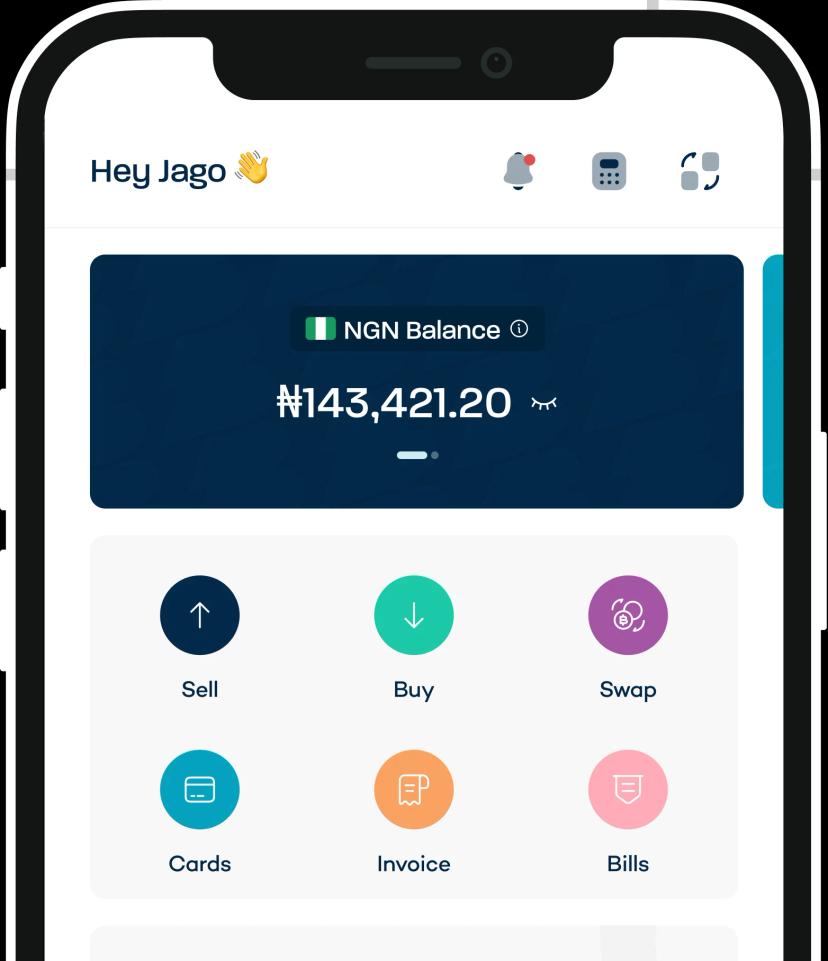
For users in Nigeria and Ghana, Breet provides one of the easiest and fastest ways to convert stablecoins like USDT and USDC into local currency.
With over 250,000 verified users, support for 150+ cryptocurrencies, and some of the fastest processing speeds in Nigeria and Ghana, Breet has become a trusted platform for everyday crypto users. Below is a step-by-step guide to sell your stablecoins on Breet:
- Create an account on the Breet App
Simply create an account on the Breet App using your email and phone number. You’ll also need to complete your KYC.
- Transfer stablecoin to your account
Next, send stablecoins to your Breet wallet, and the app automatically converts them to cash at a competitive rate.
- Confirm payment
Breet will notify you that the funds have been successfully credited to your bank account. You’ll see the exact amount reflected instantly in your Naira or Cedis balance.
Related:
- 9 Best Crypto OTC Trading Platforms
Key Benefits of Stablecoins
Stablecoins may be simple, but they are powerful. They play a major role in helping millions of people use crypto safely. Here are some of the benefits of stablecoins:
- Stability
Stablecoins provide stability. You don’t have to worry about your money dropping in value overnight.
- Cross-border payments
Stablecoins also make sending and receiving payments easier, faster, and cheaper than banks. Many people use stablecoins for cross-border transactions because transfers happen within minutes, not days.
- Crypto trading and profit preservation
They are also essential for trading. When traders want to hold profits without cashing out completely, they move funds into stablecoins. This keeps their money safe from volatility while remaining in the crypto ecosystem.
- DeFi applications
Stablecoins also support the DeFi world, where you can lend, borrow, save, or earn interest using digital tools.
Risks of Stablecoins
These list of Stablecoins are often praised for being “stable,” but they carry risks you need to understand before using them for saving, trading, or payments. Below are the major risks associated with stablecoins.
1. Reserve Risk (Backing Risk)
Many stablecoins claim to be backed 1:1 by dollars, government bonds, or other assets.
However, users cannot always verify these reserves independently. If the issuer does not have enough reserves, the stablecoin may lose its peg. Transparency also varies across issuers, and not all provide real-time audits. In short, if the backing fails, stability fails.
2. De-pegging Risk
A stablecoin can suddenly lose its $1 value.
This can happen due to panic selling, market volatility, loss of confidence in the issuer and poorly designed algorithms (as seen in the TerraUSD collapse). De-pegging can lead to massive losses,
3. Regulatory and Legal Risk
Stablecoins are under increasing scrutiny from governments. Regulations could restrict usage, especially for cross-border payments. Some countries may ban certain stablecoins.
Issuers might face lawsuits or be forced to change their business model. Overall, future laws could impact liquidity, availability, or user access.
4. Counterparty and Centralization Risk
Most stablecoins are issued by centralized companies. If the company fails, goes bankrupt, or mismanages funds, users may lose money. Assets can be frozen, as issuers have blacklisting power.
Users rely heavily on the trustworthiness of a single entity. This centralisation goes against the decentralised tools that crypto users prefer.
5. Smart Contract Risk
Even fiat-backed stablecoins run on blockchains. Smart contracts can have bugs and hackers can exploit contract weaknesses.
A vulnerability could drain the stablecoin supply, hurting users. Algorithmic stablecoins have the highest smart-contract risk since their stability depends entirely on code.
6. Market Liquidity Risk
Stablecoins fail when they cannot handle large redemptions. If too many people redeem at once, the issuer might not meet demand.
Notably, low-liquidity stablecoins can crash quickly during market panic. This risk is higher for newer, less-proven stablecoins. Thus, high liquidity is essential for maintaining stability.
7. Inflation Risk
Stablecoins tied to fiat currencies inherit fiat inflation.
If USD loses purchasing power, a USD-backed stablecoin also loses value. Therefore, holding large amounts in the long term results in unseen loss due to rising living costs. Stablecoins are stable in price, not purchasing power.
8. Algorithmic Stablecoin Risk
Algo stablecoins, like the collapsed UST, carry unique dangers as they depend entirely on supply-and-demand algorithms. They can enter death spirals during volatility. They are also highly experimental and not recommended for beginners.
Most experts consider them the highest-risk stablecoin type.
Read Also:
- Top 11 Crypto Exchanges in Nigeria
Conclusion on Stablecoins
Stablecoins have become one of the most important tools in the crypto world. They offer everything people look for in a digital currency, including stability, speed, low fees, and ease of use.
As crypto continues to grow, stablecoins will play an even bigger role in everyday financial life. With platforms like Breet, beginners and experienced users can handle stablecoins with confidence, knowing that they can cash out instantly whenever they want.
Frequently Asked Questions (FAQs) About Stablecoins
Why do People Prefer Stablecoins over Regular Crypto?
Because they are stable, easy to use, less risky, and perfect for payments or savings.
Are Stablecoins Safe to Use?
They are generally safe, especially fiat-backeded stablecoins, but users must still avoid scams and keep their wallets secure.
Where can I sell Stablecoins fast in Nigeria or Ghana?
Breet offers one of the fastest and most secure stablecoin-to-cash conversions with instant bank payouts.
Can Stablecoins lose Value?
Yes, some stablecoins may drop below their $1 value during high market fear or due to mismanagement, but top stablecoins like USDT and USDC remain very stable.