A stablecoin is a dollar-pegged coin from a named issuer: USDT (Tether) for liquidity, USDC (Circle) as an alternative. Hold one and your savings stop losing ground to inflation.
Now, buying stablecoins has always been the hard part for Africans:
- Card decline as bank cards failed on some international purchases
- They use P2P and pray the person on the other end doesn’t run away with their money
- The rate they get is outrageous and far above the market rate
Here’s how to buy stablecoins in Africa without all the stress above.
How to buy stablecoins (USDT or USDC) on Breet, step by step
The direct route in full: pay naira or cedis by bank transfer to a regulated platform, see the rate before you commit, and hold USDT in minutes. No vendor, no escrow, no card on-ramp.
The mechanism that makes it work is simple: on a direct platform, the platform itself is the seller at a published rate, which is what removes both the counterparty and the surprise fees.
In Nigeria and Ghana, Breet is built for exactly this.
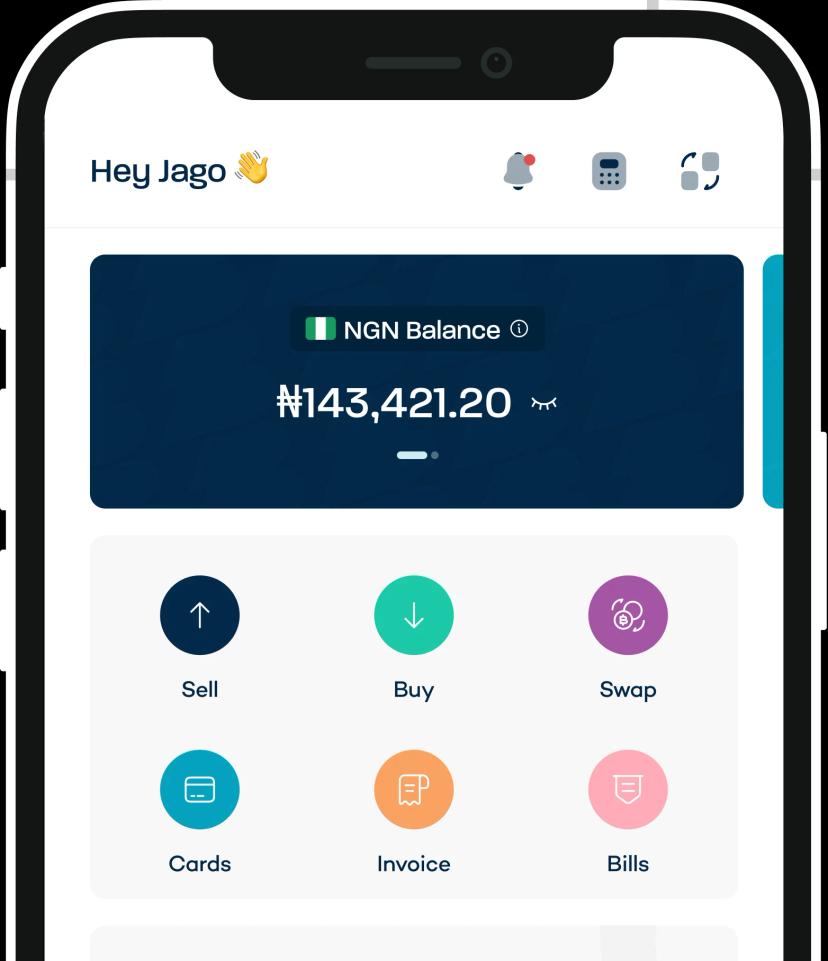
- Register at dashboard.breet.io or download the app. It’s free, and your wallet defaults to NGN or GHS by country.
- Complete quick KYC verification: ID plus a selfie, done in minutes rather than days.
- Fund your wallet with naira by bank transfer. No international card, no on-ramp middleman.
- Tap Buy, choose USDT (or another supported stablecoin), and see the exact rate and the USDT you’ll receive before you confirm.
Check the rate before you pay
The rate is public, so you never buy blind. Run your amount through the crypto converter or the rate calculator before committing; no registration needed.
The practical move is to compare the all-in USDT you’d actually receive, not the naira-per-dollar figure.
A vendor quote that looks ₦10 better usually loses once you price in the risk and your time.
Check today’s rate before you buy.
What buying actually costs: how to read a USDT quote
A stablecoin is worth $1, so everything above the true dollar rate is what you pay to buy it. That means you judge any route by one number: the USDT that lands per ₦100,000. The cost hides in different places depending on how you buy.
| Route | Typical all-in cost | Where it hides | Speed |
| Exchange | ~1%+ (trading + deposit markup + withdrawal) | Spread across three steps | Fast, if funding works |
| P2P / vendor | 2-5% effective spread + unpriced risk | Inside the quoted rate | Minutes to hours |
| Wallet card on-ramp | Several % (on-ramp fee + card FX markup) | In the card charge | Minutes, if card clears |
| Direct platform | Spread shown before you pay, check it | Nowhere, it’s visible | ~2 minutes |
To compare in practice, quote the same naira amount on two platforms and compare the USDT received, not the naira-per-dollar headline.
Every local thread asks for the “cheapest rate” or “best rate,” and the honest truth is that the cheapest rate is the one measured after fees, spread, and risk, not the flashy number on a vendor’s status.
Put your digital dollars to work after you buy
Buying is the start, not the goal. The point of stablecoins is what they let you do while the naira wobbles. You can hold USDT as the dollar layer of your savings.
You can spend without converting first, paying bills and airtime directly with crypto. And you can cash out the day you need local money, selling back to naira or cedis with automatic settlement, so the round trip lives in one app.
Buy the dollar, skip the drama
The hard part of buying stablecoins was never the buying. It was funding with your actual money, trusting the rate, and not losing coins in transit, and the direct route removes all three by design.
So keep one number in your head: the USDT that lands per ₦100,000. That single figure, measured after everything, tells you which route is really cheapest.
The first purchase is the habit-former. Once funding-to-USDT takes two minutes, saving in dollars stops being a monthly research project and becomes a payday routine.
Buy USDT with naira or cedis in seconds with Breet.
Frequently Asked Questions
What is the cheapest way to buy USDT?
The route with the smallest gap between the true dollar rate and what you pay all-in. Compare USDT received for the same naira amount: exchanges run about 1%+, P2P 2-5% effective, on-ramps several percent, and direct platforms show the rate upfront.
Can I buy stablecoins with naira or cedis?
Yes, on direct local platforms by bank transfer. Most global exchanges can’t fund from an NGN or GHS bank account.
Which stablecoin should a beginner buy?
USDT for liquidity and acceptance, USDC as the compliance-minded alternative. The list of stablecoins breaks down the differences.
Do I need KYC to buy stablecoins?
On any regulated route, yes: ID plus a selfie, usually under 10 minutes, and it’s what makes your purchase defensible.
What’s the minimum amount?
Platform-dependent and small. Local platforms accept a few thousand naira, so you can start with pocket change rather than a paycheck.
Is buying stablecoins legal in Nigeria?
Yes. Historical restrictions targeted banking rails, and digital assets are now formally recognized under the Investment and Securities Act 2025, which President Tinubu signed in March 2025 and which places digital asset operators under SEC oversight.