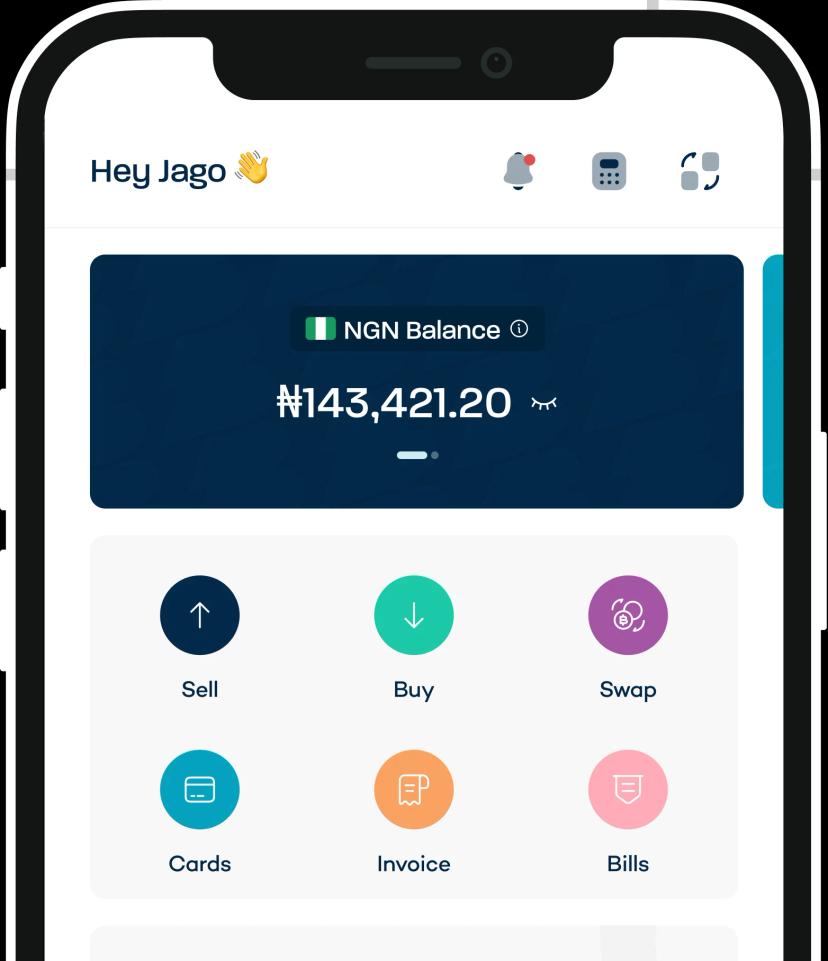


As a crypto platform, part of our job is to understand what other providers are building. My team and I review public documentation, pricing, product flows, and the evidence we can verify. We give credit where it is due, and we state the limits we find. This review explains what we could confirm about NoOnes, what it does well, where it may not fit, and who should consider it.
Note that we did create an account to test NoOnes's response times, payout speed, support, uptime, and product behaviour.
NoOnes at a glance
| Legal entity | Not disclosed |
|---|---|
| Launched | 2023 |
| What it is | A P2P crypto marketplace, plus a custodial wallet, coin swap, gift card trading, cash-out, and a crypto-funded Visa card |
| Platform fee | 1% to the seller on standard sales, 5% on gift card sales. Buyers are stated to pay no fee in the Terms, though a separate fee table on the same site shows 0.1%-2.2% for buying |
| Payout speed | Peer-to-peer. Money moves directly between trader and counterparty on the payment method they agree, no NoOnes-guaranteed settlement time |
| Supported coins | BTC, ETH, USDT, USDC, BNB, BCH, LTC, SOL, TON, TRX, XMR |
| Can you buy crypto? | Yes, via P2P, including with Nigerian Naira |
| Can you swap coins? | Yes, a dedicated Swap feature |
| Can you hold USD? | No fiat USD wallet. Stablecoins (USDT, USDC) can be held in its custodial wallet |
| KYC | None required at the lowest tier beyond date of birth. Full ID needed only above roughly $50,000 in cumulative activity or a $10,000 per-trade limit |
| Markets | Global |
| Regulatory status | Not licensed. No SEC, VASP, or other regulatory registration was found anywhere in its materials |
| App type | iOS and Android mobile app, plus web |
Pros and cons
Pros
- Nigeria's largest reported P2P market on the platform. By NoOnes' own transparency dashboard, Nigeria leads all countries in 24-hour trading volume.
- A broad product set beyond pure P2P. A built-in wallet, coin swap, gift card trading, direct cash-out to bank or mobile money, and a crypto-funded Visa card.
- Low barrier to entry. Basic trading is possible with only a date of birth, no government ID required until activity crosses roughly $50,000.
Cons
- No regulatory license of any kind found. No Nigerian SEC or VASP registration, and no license named in any jurisdiction, anywhere in its materials.
- Its own fee disclosures appear to conflict with each other. Its Terms of Service state buyers pay no NoOnes fee at all, while its separate published fee table lists a 0.1% to 2.2% buyer fee depending on payment method.
- No ID required at low trading volumes, an AML posture worth knowing given the history above.
How Breet compares to NoOnes
No individual to negotiate with. Once you send your crypto and the deposit is confirmed, Breet credits your bank immediately so you can access your money without a stranger standing between you and your money.
Automatic settlement. Breet settles to your Naira account automatically once the crypto deposit is confirmed without having to initiate a withdrawal (once set up) or wait for a stranger to credit your bank.
One consistent fee, shown before you confirm. Breet's rate is visible upfront before you sell your coin so you know what you’re getting and no hidden fees.
A live SEC filing. Breet's Nigerian entity has an ARIP application on record, which means there's a filing to look up rather than no regulatory disclosure at all.
Where NoOnes is ahead
- Broader product range, including gift card trading and a crypto-funded Visa card, features Breet doesn't offer.
- Very low entry barrier, letting new users trade with minimal verification at low volumes.
- Scale in Nigeria specifically, as its largest reported market.