- What Is XRP (Ripple)?
- How XRP Works: The Technology Behind the Coin
- How to Sell XRP in Nigeria
- How XRP (Ripple) Is Used in the Real World
- How Is XRP (Ripple) Different From Bitcoin
- Key Uses and Benefits of XRP (Ripple)
- Risks and Considerations for XRP Investors
- Frequently Asked Questions (FAQs) About XRP (Ripple)
- Conclusion on XRP (Ripple)
It’s 2026 and almost everyone has heard about cryptocurrencies, at least once. Most people have either heard of Bitcoin, (the most popular one) or Ethereum, the one developers love and use to build smart contracts.
However, there are so many others. One of which is XRP.
XRP works differently from how many people typically think about cryptocurrencies. And despite being one of the most established cryptocurrencies on the market, many newbies may not have heard, or know much about it.
Related:
- XRP Wallet Address: How to Get the Best One, in Seconds
What Is XRP (Ripple)?
XRP is a cryptocurrency that was created in 2012 as the native token of the XRP Ledger (XRPL).
From the beginning, it was designed for one clear purpose: moving value quickly, cheaply, and reliably across borders. Not in theory but in the real world where traditional finance institutions like banks and web2 payment companies charge an arm and a leg in fees and take forever to remit payments.
The engineers behind Ripple (XRP) were trying to fix a problem anyone who has ever sent money internationally understands too well. Transfers that take days and fees that feel like armed robbery with multiple intermediaries and middle men clipping value at every step. XRP was built as a direct response to those problems..
XRP allows value to move almost instantly, often in just a few seconds and with transaction fees that are so small they are barely noticeable. It basically makes sending money as quick and as easy as sending a message.
How XRP Works: The Technology Behind the Coin
To fully understand how XRP works and its distinction from most cryptocurrencies, we need to look at the infrastructure it runs on.
The XRP Ledger
XRP runs on its own blockchain called the XRP Ledger. Unlike Bitcoin, the XRP Ledger does not rely on mining. Meaning that validators on XRP Ledger are not racing to solve cryptographic puzzles to add new blocks to the chain.
Instead, it makes use of a consensus system known as the Ripple Protocol Consensus Algorithm (RPCA).
In RPCA, a group of independent validators maintains the ledger. These validators constantly communicate with one another to agree on which transactions are valid.
When enough of them reach an agreement, a new ledger version is finalized. This entire process usually takes between three and five seconds.
The XRP engineer intentionally designed this consensus mechanism for XRP as it prioritizes speed, finality, and efficiency over competition and block rewards. That is why the XRP Ledger can process thousands of transactions per second while keeping fees extremely low.
Another important detail is that every transaction burns a tiny amount of XRP.
This is not a reward mechanism. It is a spam prevention measure. Over time, this will slowly reduce the amount of XRP tokens in supply, but it doesn’t have a major effect on its overall economics.
How Consensus Actually Happens
When you send XRP, the transaction is broadcast to the network.
The XRP validators then check whether the transaction follows the rules of the ledger. If a majority (at least 80%) agree that it does, the transaction is approved and permanently recorded.
There is no waiting for multiple block confirmations.
There is no miner selection. Once consensus is reached, the transaction is final. This sort of finality is one of the reasons XRP is great for payment use cases.
Supply, Escrow, and Distribution
All XRP was mined at launch. This means that all 100 billion XRP tokens were created from day one.
Ripple Labs holds a large portion of this supply and placed much of it into escrow accounts. These escrows release limited amounts of XRP on a schedule defined by Ripple Labs.
Whether this centralised release system is a pro as it allows controlled liquidity on the chain or a con as it introduces a point of centralisation and risks associated with it is subjective.
Related:
- What is TON Contract Address & How to Generate One
How to Sell XRP in Nigeria
If you are in Nigeria and want to sell XRP to cash, Breet is one of the most straightforward options available.
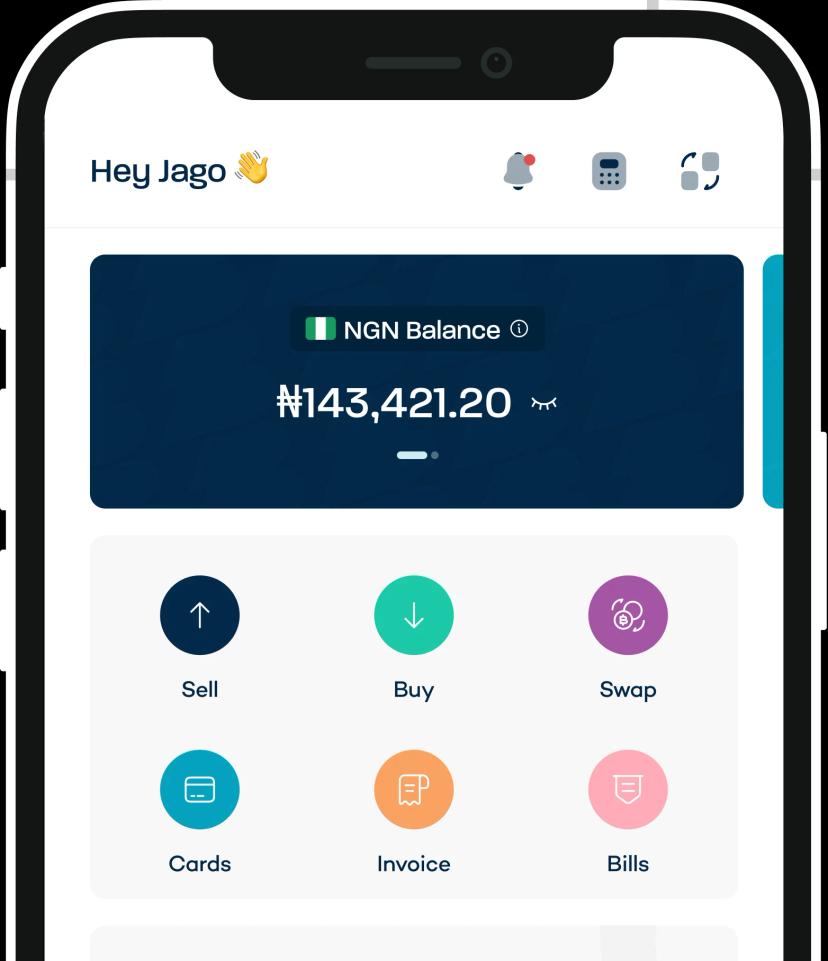
Breet is an over the counter crypto to cash platform. Instead of trading on an exchange order book, you send your crypto to a wallet address and receive Dollars in your wallet or Naira directly in your bank account.
Step 1: Create a Breet Account
Download the Breet app or use the web platform. Sign up with your email and complete identity verification. This is important for compliance and security.
Step 2: Generate Your XRP Wallet Address
Inside the app, navigate to the wallet section and select XRP. Breet will generate a unique receiving address for you. This address stays the same and can be reused.
Step 3: Send XRP to Your Breet Wallet
From your external wallet or exchange, send XRP to the address provided by Breet. Make sure all details are correct before sending.
Step 4: Automatic Conversion
Once the XRP arrives and is confirmed on the blockchain, Breet automatically converts it to Naira or USD based on your account settings.
Step 5: Withdraw to Your Bank Account
The converted funds appear in your Breet balance. You can withdraw directly to your Nigerian bank account. You can also enable automatic settlement if you prefer.
Breet removes the need to search for buyers, manage price slippage, or deal with complex trading interfaces. You send crypto and get paid. Simple.
Breet charges a small transparent fee on crypto to cash transactions. Rates depend on transaction size and market conditions. Always check the live rate in the app before sending funds.
You Might Like:
- Wakanda Inu Crypto: Legit or Scam? (Full Guide)
How XRP (Ripple) Is Used in the Real World
XRP was built with practical use cases in mind. Some of which are:
1. Cross Border Payments and Liquidity
The primary use of XRP is fast and affordable cross border payments.
Traditional international payments often require banks to hold pre funded accounts in foreign currencies. This ties up capital and increases operational costs.
XRP can act as a bridge currency. Instead of holding multiple fiat balances, a payment provider can convert one currency to XRP, send it across the network, then convert it into the destination currency almost instantly.
This reduces both cost and complexity.
It is most effective in regions with constant cross-border money movement, where remittances are a daily occurrence.
2. Remittances for Everyday Users
For individuals sending money home, especially from abroad, fees matter.
Losing five to ten percent of a transfer to fees is real pain.
XRP’s low transaction costs and fast settlement make it suitable for remittance services that want to reduce that burden. While adoption varies by region, the utility is clear as day.
3. Institutional and Enterprise Use
Banks and payment companies have tested and, in some cases, adopted XRP based solutions. Adoption depends heavily on regulation, internal risk tolerance, and local financial infrastructure.
XRP is not universally embraced, but it is consistently evaluated because it solves a real problem.
Top Pick:
- USDT TRC20 Contract Address: What is it & How to Get it?
How Is XRP (Ripple) Different From Bitcoin
XRP and Bitcoin are both cryptocurrencies but they are very different in that they were built for very different reasons. Bitcoin was made purely as a decentralised, censorship-resistant, digital alternative to gold.
XRP on the other hand, was made for fast and cheap payments.
Here’s a quick comparison table:
| Feature | Bitcoin (BTC) | XRP (XRP) |
| Consensus | Proof-of-Work | Ripple Protocol Consensus Algorithm |
| Purpose | Store of value, digital gold | Fast and cheap payments |
| Transaction Speed | ~10 min average | ~3–5 seconds |
| Transaction Fees | Often dollars | Fractions of a cent |
| Supply | 21 million max | Around 100 billion |
| Mining | Required | Not used |
| Decentralization | High | Moderately centralized as a result of escrow |
Key Uses and Benefits of XRP (Ripple)
1. Transaction Speed
XRP’s biggest advantage is speed. In global finance, settlement time is not just a convenience issue. It affects liquidity, risk, and capital efficiency. Being able to settle value in seconds instead of days is a significant improvement.
2. Extremely Low Transaction Costs
XRP transactions cost fractions of a cent. This is as opposed to fees of up to five to ten percent of the principal amount in traditional finance.
Fees this low makes XRP viable for high volume transfers and small value payments alike.
3. Scalability
The XRP Ledger can handle a high volume of transactions without relying on secondary layers or complex scaling solutions like Ethereum. That simplicity is part of its appeal.
4. Liquidity Bridging
XRP can bridge currency pairs that do not have deep direct liquidity. This reduces friction in foreign exchange markets and improves capital efficiency.
Read Also:
- ERC20 Wallet Address: What is it & How to Get One?
Risks and Considerations for XRP Investors
Market Volatility
Like all digital assets, XRP prices move. Sometimes sharply. If you are buying or selling XRP you should have a plan and understand that volatility cuts both ways.
Centralization Concerns
Ripple Labs holds a significant amount of XRP (over 40% of total supply) and has historically influenced parts of the ecosystem. This raises valid questions about decentralization and control.
Hacks and Scams
XRP is a digital asset and most XRP wallets are over the web. This exposes it to hack attempts. Aside from that, its popularity makes it a target for misinformation and scams. Ignore price predictions that promise certainty. Verify sources. Stay skeptical and always DYOR.
Frequently Asked Questions (FAQs) About XRP (Ripple)
Are XRP And Ripple The Same Thing?
No. XRP And Ripple Are Not The Same Thing. XRP Is The Digital Cryptocurrency Used For Payments And Transfers, While Ripple Labs Is The Technology Company That Develops Blockchain-Based Payment Solutions. Ripple Uses XRP In Some Of Its Products, But The Company And The Cryptocurrency Are Separate Entities.
Is XRP A Good Investment?
XRP Has Real-World Utility, Especially For Fast And Low-Cost Cross-Border Payments. However, Like All Cryptocurrencies, XRP Comes With Market Risks And Price Volatility. Whether XRP Is A Good Investment Depends On Your Financial Goals, Risk Tolerance, And Long-Term Strategy.
How Fast Are XRP Transactions?
XRP Transactions Are Extremely Fast. Most XRP Transfers Settle Within Three To Five Seconds, Making It One Of The Fastest Major Cryptocurrencies For Payments And International Transfers.
Do I Need A Destination Tag When Sending XRP?
Yes. Many Exchanges And Wallets Require A Destination Tag When Sending XRP. The Destination Tag Helps The Receiving Platform Identify And Credit Your Funds To The Correct Account. Sending XRP Without The Required Tag May Result In Delayed Or Lost Funds.
Can I Hold XRP On Breet Before Selling?
Yes. You Can Safely Hold XRP In Your Breet Wallet And Convert It To Naira Or Other Supported Assets Whenever You Choose. Breet Allows You To Receive XRP And Sell Instantly When You’re Ready.
Conclusion on XRP (Ripple)
XRP is not a meme coin. It has real utility backed by infrastructure. It was built to move money efficiently in a world where financial systems still feel slow and expensive.
If you are in Nigeria and want a clean way to convert XRP to cash, Breet offers a simple path from crypto to bank account without unnecessary friction.