Bitcoin dates back to 2009, when it became the first cryptocurrency. Now, the token has evolved from a niche experiment to a financial asset respected globally.
Yet, many investors see Bitcoin as only a store of value. However, this only tells part of the story. Bitcoin has several uses, from cross-border remittances to online shopping. That said, this guide explores the top nine ways on how to use Bitcoin.
Related:
- 9 Best Bitcoin Apps in Nigeria, Ranked
How to Use Bitcoin: Top 9 Ways
Here are the top nine ways to use Bitcoin in 2026:
- Crypto-to-Fiat Transactions
- Buying Gift Cards
- Cross-border Remittances
- Travel Booking
- Purchasing Digital Services
- HODLing
- Active Trading
- Charitable Donations
- Swapping with Other Crypto Tokens
1. Crypto-to-Fiat Transactions
One of the most practical ways to use Bitcoin is for direct crypto-to-cash conversion.
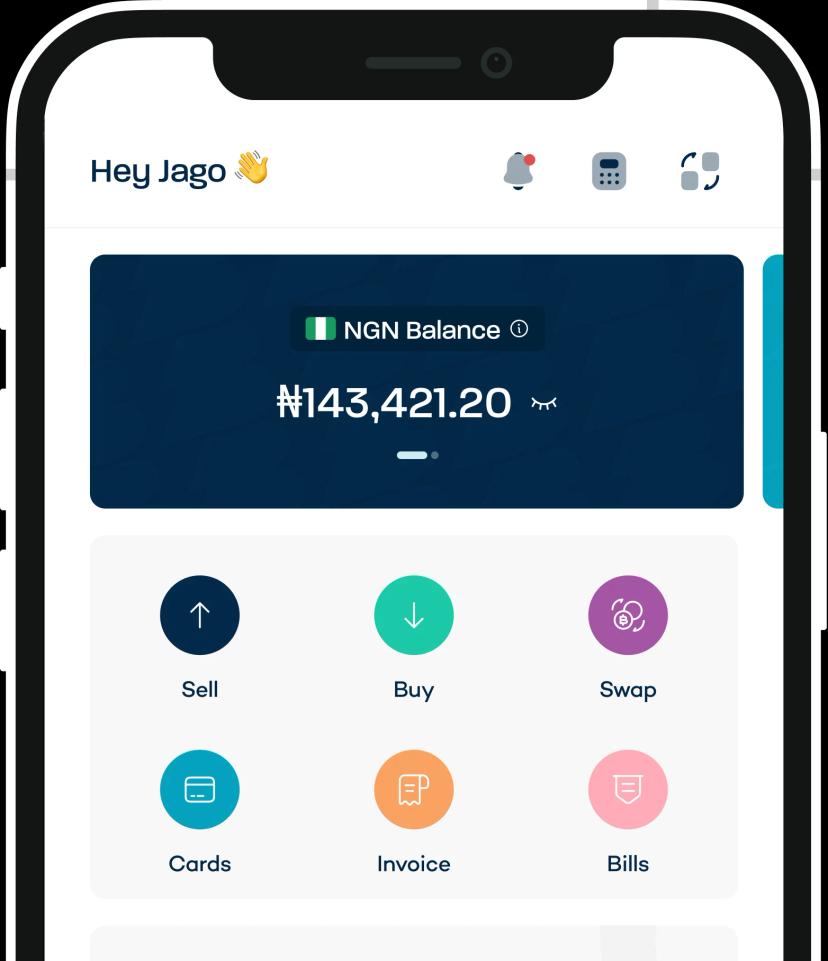
This utility allows users to instantly turn digital assets into spendable cash. Fortunately, Breet streamlines this process by automating the off-ramping experience. You can convert BTC to Naira or Cedis then send directly to your local bank account.
The whole process takes less than 287 seconds on Breet, and you are guaranteed a smooth experience.
2. Buying Gift Cards
You can use Bitcoin to get gift cards for retailers that do not accept cryptocurrency directly (e.g., Amazon, Walmart). Bitrefill and eGifter are platforms that allow users to buy cards for thousands of brands using BTC.
You don’t have to convert BTC to fiat first to get gift cards: you can do so directly with Bitcoin.
Aside from gift cards, you can also pay for utilities and bills, such as airtime, electricity, and TV subscriptions.
Related:
- 9+ Sites to Sell Gift Cards for Bitcoin in Nigeria
3. Cross-Border Remittances
Bitcoin is a superior alternative to typical money transfer services, like Western Union, for sending funds internationally. You don’t have to worry about banking holidays and intermediary banks.
This means you can send or receive money across borders 24/7.
These transfers can settle instantly for a fraction of a cent, regardless of the geographic distance.
4. Travel Bookings
The travel industry has heavily adopted crypto. You don’t need to rely on cash now to book a seat. Platforms like Travala.com and CheapAir allow users to book flights, hotels, and accommodations directly with Bitcoin.
This is particularly useful for travelers who wish to avoid foreign transaction fees on credit cards or currency exchange hassles.
5. Purchasing Digital Services (VPNs & Hosting)
Privacy-focused services often prefer Bitcoin to protect user anonymity.
Many VPN providers, domain registrars (e.g., Namecheap), and web hosting services accept Bitcoin to ensure that the payment trail is not directly linked to a bank identity.
6. Long-Term Investment (HODLing)
The most common use case is holding Bitcoin as a hedge against fiat inflation.
Investors treat it as a long-term asset, similar to gold or real estate, anticipating that its fixed supply (capped at 21 million coins) will drive value appreciation over time.
HODLing is an excellent choice as it ensures that Bitcoin generates passive income for you without much effort.
7. Active Trading
Traders use Bitcoin’s volatility to generate short-term profit.
This involves buying low and selling high on exchanges like Binance or Kraken. Alternatively, you can trade derivatives, where you don’t own Bitcoin but place guesses and earn profits if you are right.
Top Pick:
- 2026 Crypto Tax in Nigeria: All You Need to Know
8. Online Shopping
Many retailers and niche merchants now accept Bitcoin as a form of payment. You can pay at checkout with BTC for companies like Microsoft (for Xbox store credits), Overstock, and Newegg.
Payment processors like Breet, BitPay and Coinbase Commerce facilitate these transactions. They do so by converting the crypto to fiat for the merchant instantly.
9. Swapping with Other Crypto Tokens
Several reasons exist as to why you might want to swap BTC for other crypto tokens. One of them is managing market volatility, and Breet simplifies the process with its in-app crypto to crypto feature.
Instead of keeping funds in Bitcoin during price dips or completely cashing out to a bank account, users can instantly swap to stablecoins like USDT directly within the app.
Using Bitcoin for Payments and Transfers
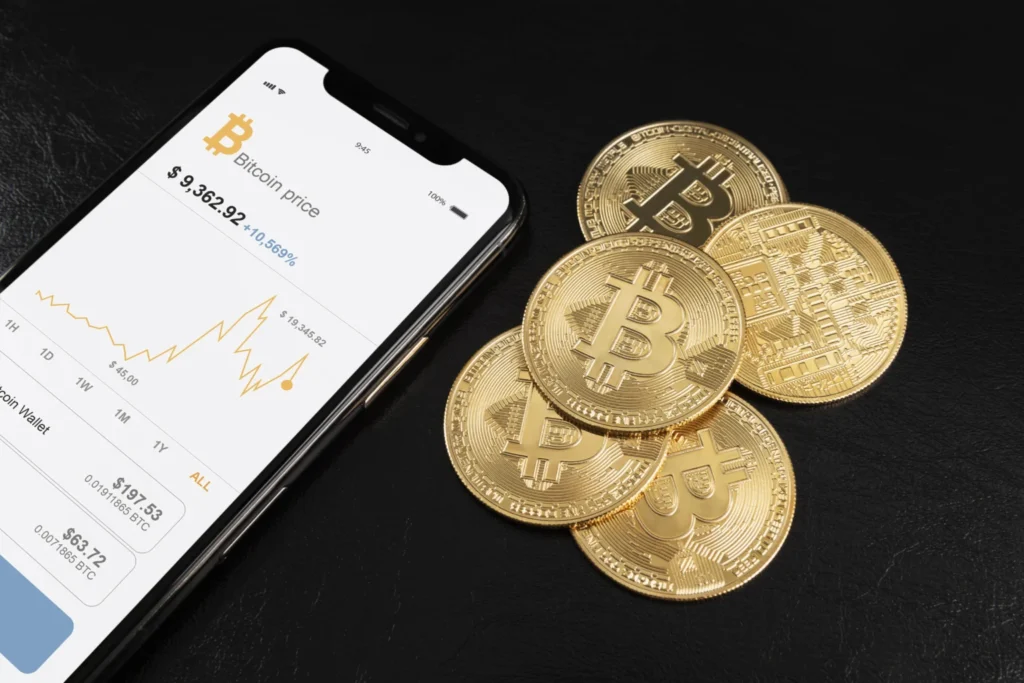
Bitcoin payments operate on a push-mechanism. What this means is the user sends the exact amount to a specific address. Hence, you eliminate the risk of unauthorized pull charges common with credit cards.
Here is more information on Bitcoin on payments and transfers:
- Local Spending: While point-of-sale terminals for Bitcoin exist (often using QR codes), local spending is most efficient via Lightning Network wallets. The Lightning Network is a Layer-2 solution that processes transactions off-chain to ensure instant speed and near-zero fees. Using these wallets solves Bitcoin’s main layer scalability issues.
- International Settlements: For large international transfers, Bitcoin’s base layer (on-chain) is preferred for security. While it may take 10–60 minutes to confirm, the transaction is final and immutable. The fee is determined by network demand and not the amount sent. Sending $10 million costs the same as sending $100.
- Fees: Transaction fees fluctuate. Hence, it is advised that users check the current “mempool” status before sending non-urgent on-chain transactions to avoid overpaying.
Bitcoin as an Investment and Store of Value
Bitcoin’s monetary policy is algorithmic and deflationary.
- Store of Value: Unlike fiat currencies which can be printed endlessly by central banks, Bitcoin has a hard cap. The “halving” event every four years reduces the new supply issuance by 50%, historically creating upward pressure on price (supply shock).
- Hedging: Institutional investors utilize Bitcoin as a hedge against monetary debasement and currency collapse. It has a low correlation to traditional assets over long time horizons, making it a diversification tool.
- Custody: Serious investors often move Bitcoin off exchanges into cold storage in hardware wallets. This eliminates counterparty risk. It ensures the user has sole control over their private keys.
Related:
Things to Know Before Using Bitcoin

Before you begin using Bitcoin, there are some caveats you should have in mind. This way, you are aware of all the possibilities when learning how to use Bitcoin.
- Volatility: Bitcoin’s price can swing double-digit percentages in a single day. It is not suitable for funds needed for immediate, fixed expenses. Hence, it is probably not best to save in Bitcoin ahead of a certain expense.
- Irreversibility: Bitcoin transactions cannot be reversed. If you send funds to the wrong address or fall for a scam, there is no customer support line to call for a refund. Double-check every character of a wallet address.
- Tax Implications: Spending Bitcoin is a taxable event for many countries. Buying a coffee with BTC technically requires calculating capital gains or losses on the specific coins used.
- Regulatory Landscape: Laws vary by country. Ensure you are using compliant exchanges (KYC/AML) to avoid having your accounts frozen.
Conclusion on How to Use Bitcoin
While Bitcoin is often praised as a store of value, it has several real-world uses. However, the bridge between receiving crypto and spending fiat currency is often slow and expensive.
This is where Breet serves as the essential connector.
You can use Bitcoin through Breet to receive payments from abroad or settle bills.
If your goal is to use Bitcoin as a functional currency for your daily life in Africa, Breet provides the most direct, automated, and fee-free receiving experience available.
Don’t Miss:
- Top 15 Crypto Off-ramp Platforms, Compared
Frequently Asked Questions on How to Use Bitcoin
Is it Expensive to Use Bitcoin for Small Purchases?
On the main blockchain (Layer 1), yes, fees can be high ($1–$20+) depending on network congestion. However, using the Lightning Network (Layer 2) makes fees negligible (often less than a penny).
Where is the Safest Place to Store my Bitcoin?
The safest method is a hardware wallet (cold storage), such as a Ledger or Trezor. Leaving Bitcoin on an exchange (like Coinbase or Binance) exposes you to hacking risks or the exchange going bankrupt.
Can I use Bitcoin Without a Bank Account?
Yes. You can acquire Bitcoin via P2P (Peer-to-Peer) marketplaces, exchanges, Bitcoin ATMs, or earning it directly. You can then store it in a non-custodial wallet and spend it anywhere BTC is accepted.
How Long does a Bitcoin Transaction Take?
An on-chain transaction typically takes 10 minutes to be mined into a block, but merchants often require 3 to 6 confirmations for security. Lightning Network transactions are near-instant (milliseconds).
What Happens if I Lose my Private Keys?
If you lose your private keys (or seed phrase) to a non-custodial wallet, your Bitcoin is lost forever. There is no central authority to reset your password or recover your funds. Backing up your seed phrase physically is critical.